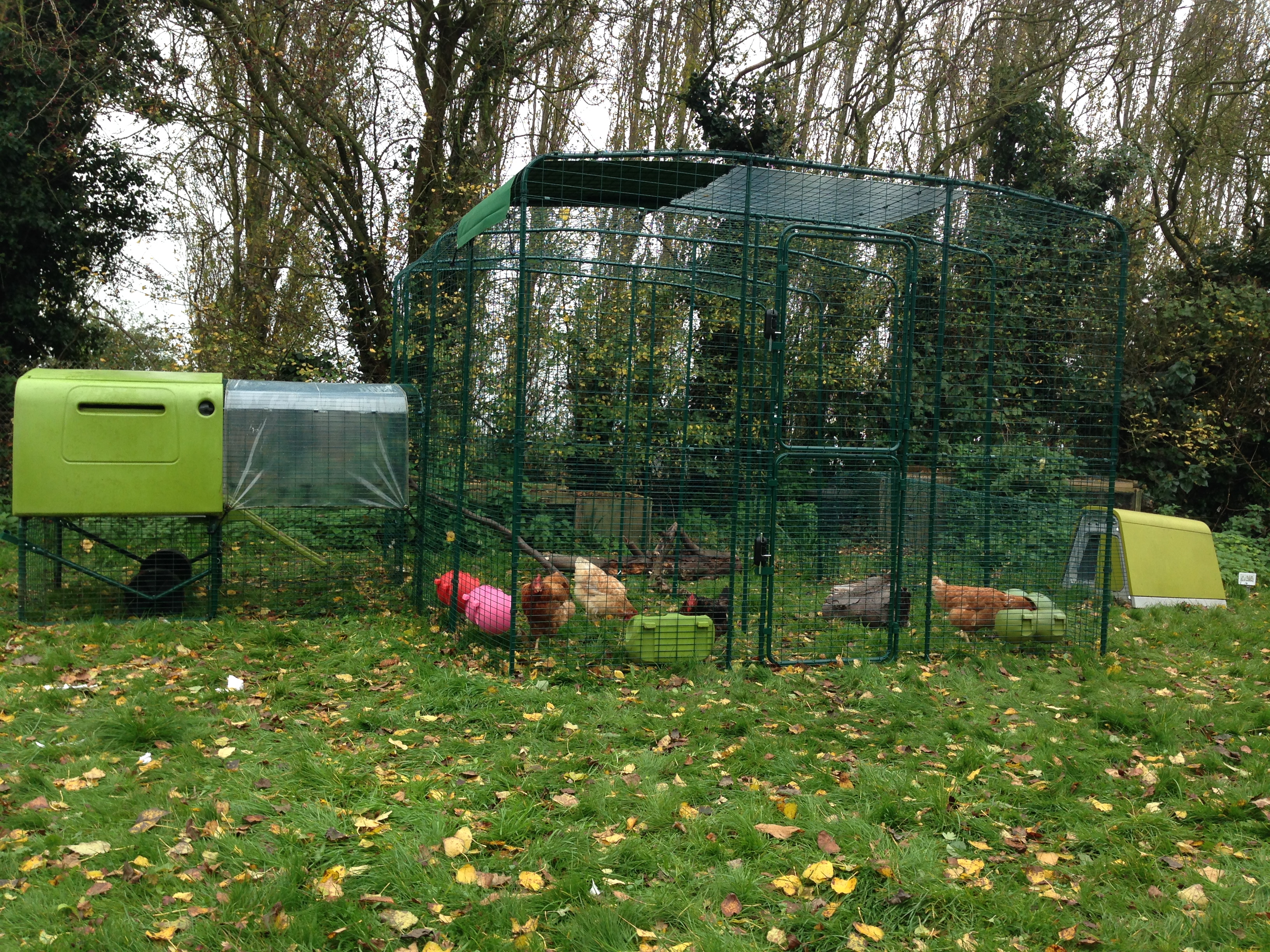
Raising chickens can be one of the most rewarding experiences for homesteaders, farmers, and backyard enthusiasts alike. However, the well-being of these feathered companions heavily relies on their environment. A large chicken run is not just a luxury; it is essential for maintaining happy and healthy hens. This article explores the myriad benefits of providing ample space for chickens, examining their physical, mental, and social well-being.
Understanding the Needs of Chickens
Before delving into the importance of a large chicken run, it’s crucial to understand the basic needs of chickens. Chickens are naturally active and social animals that require specific conditions to thrive. Here are some of their fundamental requirements:
- Enough space to roam and forage.
- Access to shelter from predators and harsh weather.
- Opportunities for social interaction and establishing a pecking order.
- Variety in their diet, including grains, greens, and protein sources.
The Benefits of a Large Chicken Run
Providing a large chicken run not only meets these needs but enhances the overall quality of life for hens. Below are some compelling reasons why a spacious environment is crucial:
1. Enhanced Physical Health
Chickens are active creatures and require space to move around freely. A larger run allows them to:
- Engage in Natural Behaviors: Chickens love to scratch, peck, and explore. A large run provides them the opportunity to engage in these behaviors, which are critical for their physical health.
- Reduce Stress: Cramped conditions can lead to stress and aggressive behaviors. A spacious environment allows for better social dynamics and reduces competition among hens.
- Improve Egg Production: Healthy hens are more likely to produce eggs consistently. Studies have shown that hens with adequate space yield higher egg production rates.
2. Mental Well-Being

The mental health of chickens is often overlooked, yet it plays a significant role in their overall well-being. A large chicken run contributes to their mental stimulation by:
- Encouraging Exploration: A larger area means more opportunities to explore different textures, smells, and sights, which keeps their curiosity alive.
- Providing Socialization Opportunities: Chickens are social animals that thrive in groups. Adequate space allows them to form their social hierarchies without the risk of overcrowding.
- Reducing Boredom: Boredom can lead to destructive behaviors such as feather pecking. A spacious run with enrichment activities can mitigate this issue.
3. Protection from Predators
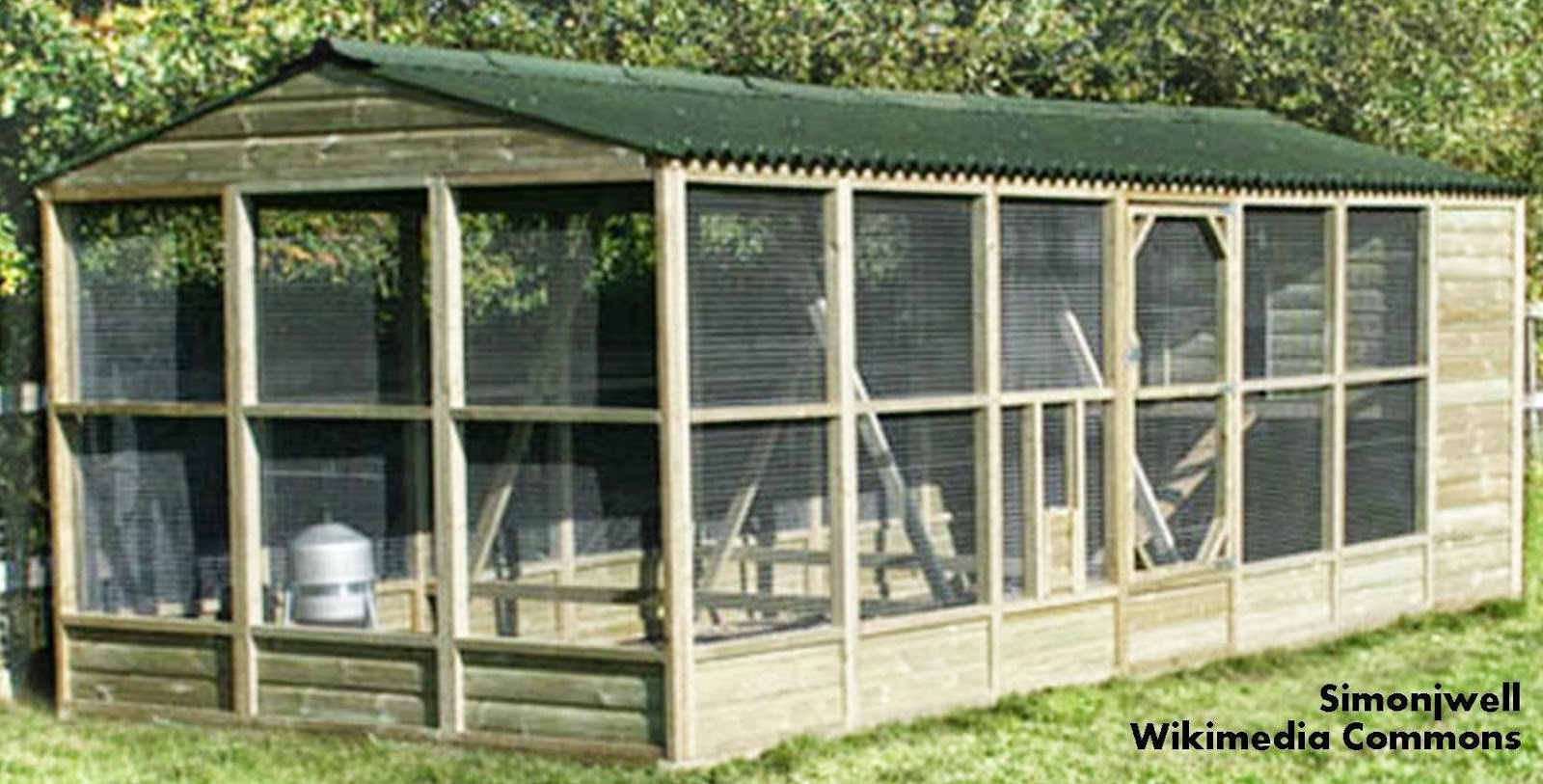
A large chicken run can also serve as an effective barrier against predators. With more space, you can design the run with multiple escape routes and hiding spots. Here’s why this is important:
- Increased Safety: A well-constructed run can protect hens from common predators like raccoons, foxes, and birds of prey.
- Reduced Stress Levels: Knowing they are safe allows hens to be more relaxed, which contributes to their overall health and productivity.
- Flexibility in Design: A larger area allows for varied designs, including covered sections that provide shade and shelter, making it a safer haven for the hens.
Case Studies: Successful Chicken Runs
Examining real-life examples can help illustrate the importance of large chicken runs. Here are two case studies that showcase the benefits:
Case Study 1: The Urban Homesteader
Jane, an urban homesteader in Seattle, decided to expand her chicken run from 100 square feet to 300 square feet. Post-expansion, she observed:
- A 40% increase in egg production.
- Significantly fewer instances of feather pecking among her hens.
- Improved social behaviors; her hens became more relaxed and friendly.
Case Study 2: The Family Farm
The Miller family owns a small farm in rural Texas. They built a large chicken run of 500 square feet for their flock of 20 hens. Over six months, they reported:
- Healthier hens with fewer illnesses.
- A diverse diet as hens foraged for insects and greens.
- A noticeable decrease in aggressive behavior during mating season.
Statistics Supporting the Need for Space

Research supports the benefits of larger living spaces for chickens. According to the American Humane Association:
- Hens raised in environments with at least 4 square feet per bird tend to produce 15% more eggs than those with less than 2 square feet per bird.
- Studies have shown that hens with access to outdoor runs exhibit lower stress hormone levels.
Designing an Ideal Chicken Run
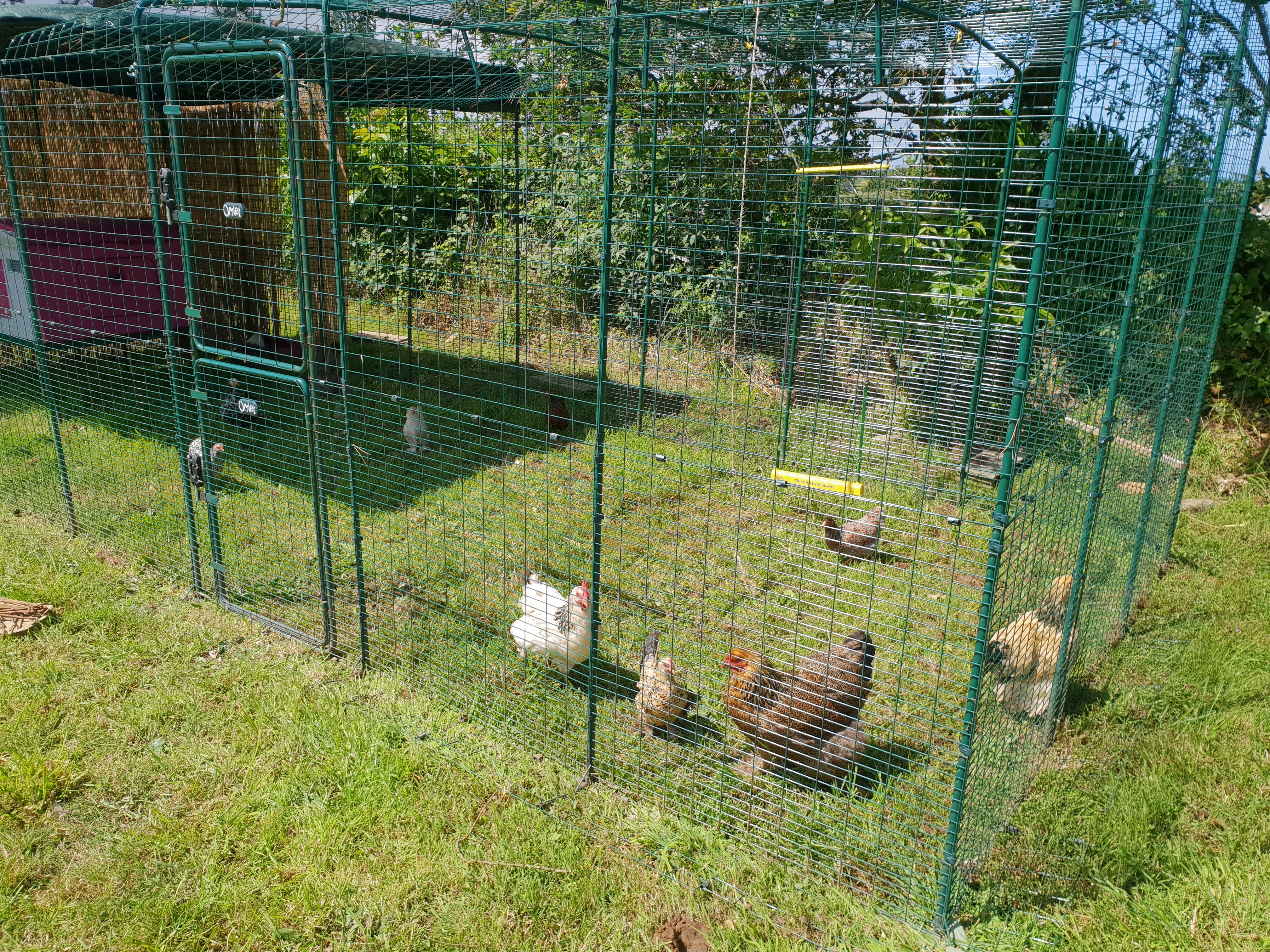
Creating a large chicken run can seem daunting, but with the right planning, it can be an enjoyable project. Here are some elements to consider:
- Size: Aim for at least 10 square feet per hen in the run.
- Fencing: Use secure fencing to protect against predators.
- Shade and Shelter: Provide shaded areas to protect hens from the sun and rain.
- Enrichment: Incorporate perches, dust baths, and toys to keep hens entertained.
- Accessibility: Ensure the run is easily accessible for maintenance and feeding.
Conclusion: The Key to Happy and Healthy Hens
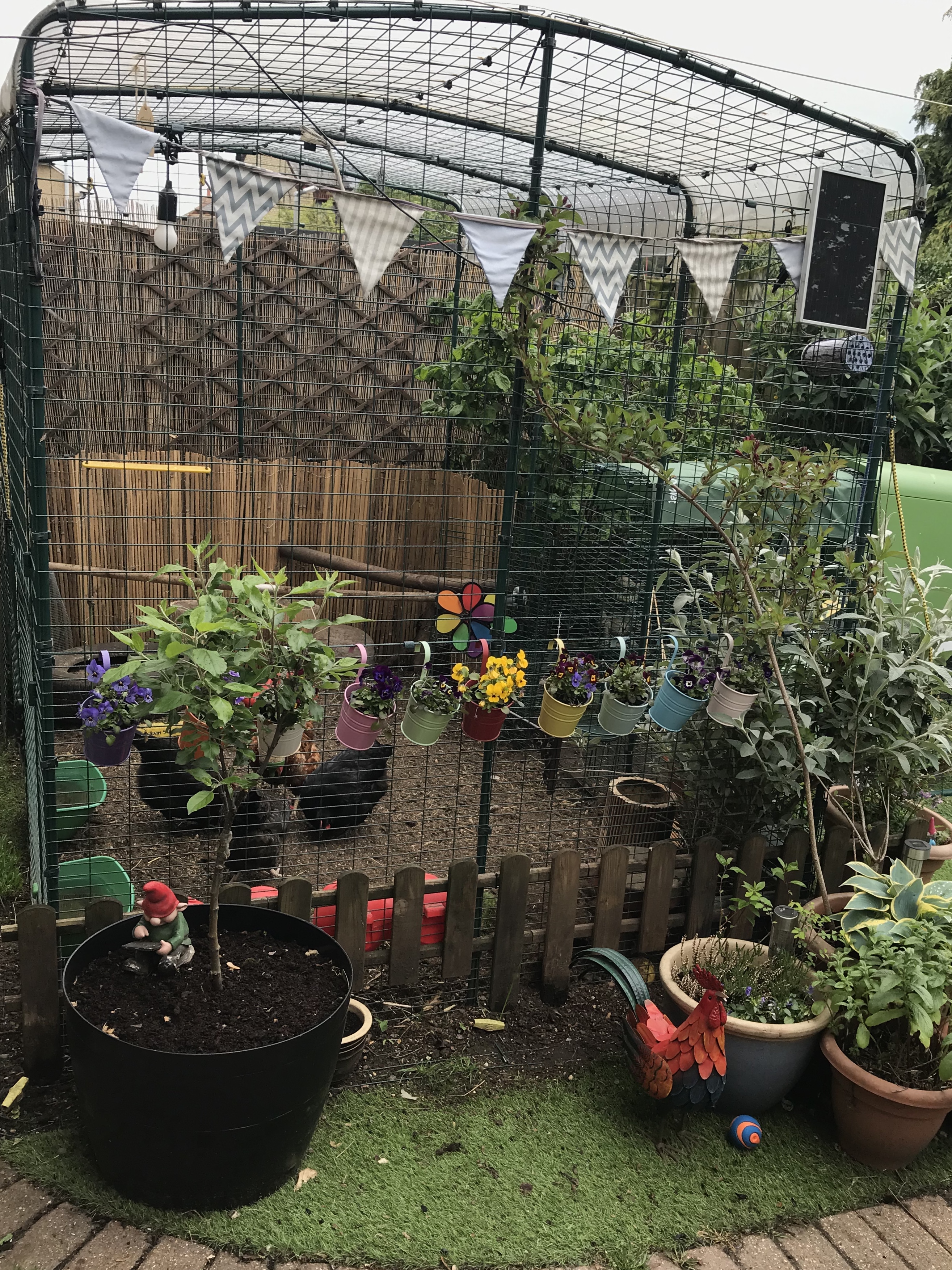
In conclusion, a large chicken run is essential for the happiness and health of hens. The benefits of ample space extend beyond mere physical health; they encompass mental well-being and social dynamics as well. By providing an environment where chickens can roam freely, engage in natural behaviors, and feel secure from predators, you can ensure a thriving flock. The case studies and statistics presented affirm that investing in a spacious run yields significant rewards, from improved egg production to enhanced social interactions among hens. Ultimately, a large chicken run is not just a good practice; it is a commitment to the welfare of your feathered friends, ensuring they live a fulfilling and productive life.