
The office of the President of the United States is arguably the most powerful and complex position in the nation, if not the world. While much attention is rightfully paid to the President’s constitutional powers – commander-in-chief, chief diplomat, chief legislator – the true engine of presidential influence and policy implementation lies within the intricate labyrinth of the Executive Branch. For a president to be effective, to translate vision into reality, a deep and nuanced understanding of this sprawling governmental apparatus is not merely beneficial, it is absolutely essential. This article will delve into the multifaceted role of the President in understanding and directing the Executive Branch, exploring its structure, its challenges, and the critical importance of this knowledge for successful governance.
The Anatomy of Presidential Power: A Look Inside the Executive Branch
The Executive Branch, as defined by Article II of the U.S. Constitution, is headed by the President and encompasses a vast array of departments, agencies, commissions, and other entities. It is the branch responsible for enforcing and administering the laws passed by Congress. Understanding its anatomy requires grasping its hierarchical structure and the diverse functions it performs.
The Cabinet: The President’s Inner Circle

At the apex of the Executive Branch, reporting directly to the President, are the Cabinet departments. These are the major organizational units responsible for specific areas of government policy. Currently, there are 15 executive departments, each headed by a Secretary (except for the Department of Justice, headed by the Attorney General), who is a member of the President’s Cabinet.
- Department of State (Foreign Affairs)
- Department of the Treasury (Economy and Finance)
- Department of Defense (Military and National Security)
- Department of Justice (Law Enforcement and Legal Affairs)
- Department of the Interior (Natural Resources and Native American Affairs)
- Department of Agriculture (Food, Farming, and Rural Development)
- Department of Commerce (Business and Trade)
- Department of Labor (Workers’ Rights and Employment)
- Department of Health and Human Services (Public Health and Welfare)
- Department of Housing and Urban Development (Housing and Community Development)
- Department of Transportation (Infrastructure and Travel)
- Department of Energy (Energy Policy and Regulation)
- Department of Education (Education Policy and Funding)
- Department of Veterans Affairs (Services for Veterans)
- Department of Homeland Security (National Security and Emergency Preparedness)
The President appoints the heads of these departments, subject to Senate confirmation. The effective functioning of these departments is paramount to the President’s agenda. A President who does not understand the mandates, capabilities, and limitations of each department, or the personalities and expertise of their leaders, is like a ship captain without a chart.
Beyond the Cabinet: A Multitude of Agencies and Offices
The Executive Branch extends far beyond the 15 Cabinet departments. It includes numerous independent agencies, regulatory commissions, and executive offices that operate with varying degrees of autonomy. Notable examples include:
- The Central Intelligence Agency (CIA)
- The Environmental Protection Agency (EPA)
- The Social Security Administration (SSA)
- The National Aeronautics and Space Administration (NASA)
- The Federal Bureau of Investigation (FBI)
- The Office of Management and Budget (OMB)
- The National Security Council (NSC)
Each of these entities plays a vital role in shaping and executing policy. The President’s understanding of their specific missions, their statutory authority, and their operational dynamics is crucial for effective oversight and direction.
The President as Chief Executive: Responsibilities and Challenges
The President’s role as Chief Executive is defined by the constitutional mandate to “take Care that the Laws be faithfully executed.” This seemingly simple directive translates into a staggering array of responsibilities, all of which require a deep engagement with the Executive Branch.
Setting the Agenda and Directing Policy
A President’s agenda is ambitious, but its realization hinges on the Executive Branch’s capacity to implement it. This involves:
- Issuing Executive Orders: These directives, while powerful, must be grounded in existing statutory authority and a clear understanding of how they will be operationalized by relevant agencies. A poorly conceived executive order can lead to legal challenges, public backlash, and operational chaos. For example, President Trump’s travel ban executive orders faced significant legal hurdles and demonstrated the importance of careful legal and administrative preparation.
- Setting Priorities: The President must articulate clear policy goals and ensure that the vast resources of the Executive Branch are aligned to achieve them. This requires understanding which agencies are best equipped to handle specific tasks and how to mobilize them effectively.
- Budgetary Control: The President’s budget proposal, prepared by the Office of Management and Budget (OMB), is a critical tool for shaping the Executive Branch’s priorities. A President needs to understand the budgetary implications of their policies and how funding decisions can drive agency behavior.
Personnel Management and Appointments

The President appoints hundreds of thousands of individuals to positions within the Executive Branch, from Cabinet secretaries and agency heads to ambassadors and judges. Beyond these high-profile appointments, the President indirectly influences the millions of career civil servants who form the backbone of the bureaucracy.
- Selecting Qualified Leaders: Choosing individuals with the right expertise, integrity, and vision for key leadership roles is paramount. A President who does not understand the intricacies of a particular agency or policy area may be more susceptible to selecting unqualified individuals.
- Managing Performance: Holding agency heads accountable and ensuring that the bureaucracy operates efficiently requires a strong understanding of performance metrics and management principles.
- Navigating Bureaucratic Inertia: The Executive Branch can sometimes be characterized by resistance to change. A President needs to understand the dynamics of bureaucratic inertia and develop strategies to overcome it.
Information Gathering and Decision Making

The President is the ultimate decision-maker, but their decisions are only as good as the information they receive. The Executive Branch serves as a vast intelligence and analytical apparatus, providing the President with data, assessments, and recommendations.
- Accessing Intelligence: The CIA, NSA, and other intelligence agencies provide crucial information on national security threats and global affairs. The President must understand the strengths and limitations of these intelligence sources and how to synthesize their findings.
- Leveraging Expertise: Departments and agencies employ thousands of experts in various fields. The President needs to know how to access and utilize this expertise effectively to inform policy decisions.
- Understanding Data and Analytics: In the modern era, data plays a crucial role in policy formulation. A President who understands how to interpret and utilize data can make more informed and effective decisions.
Case Studies: When Understanding Matters (and When it Doesn’t)
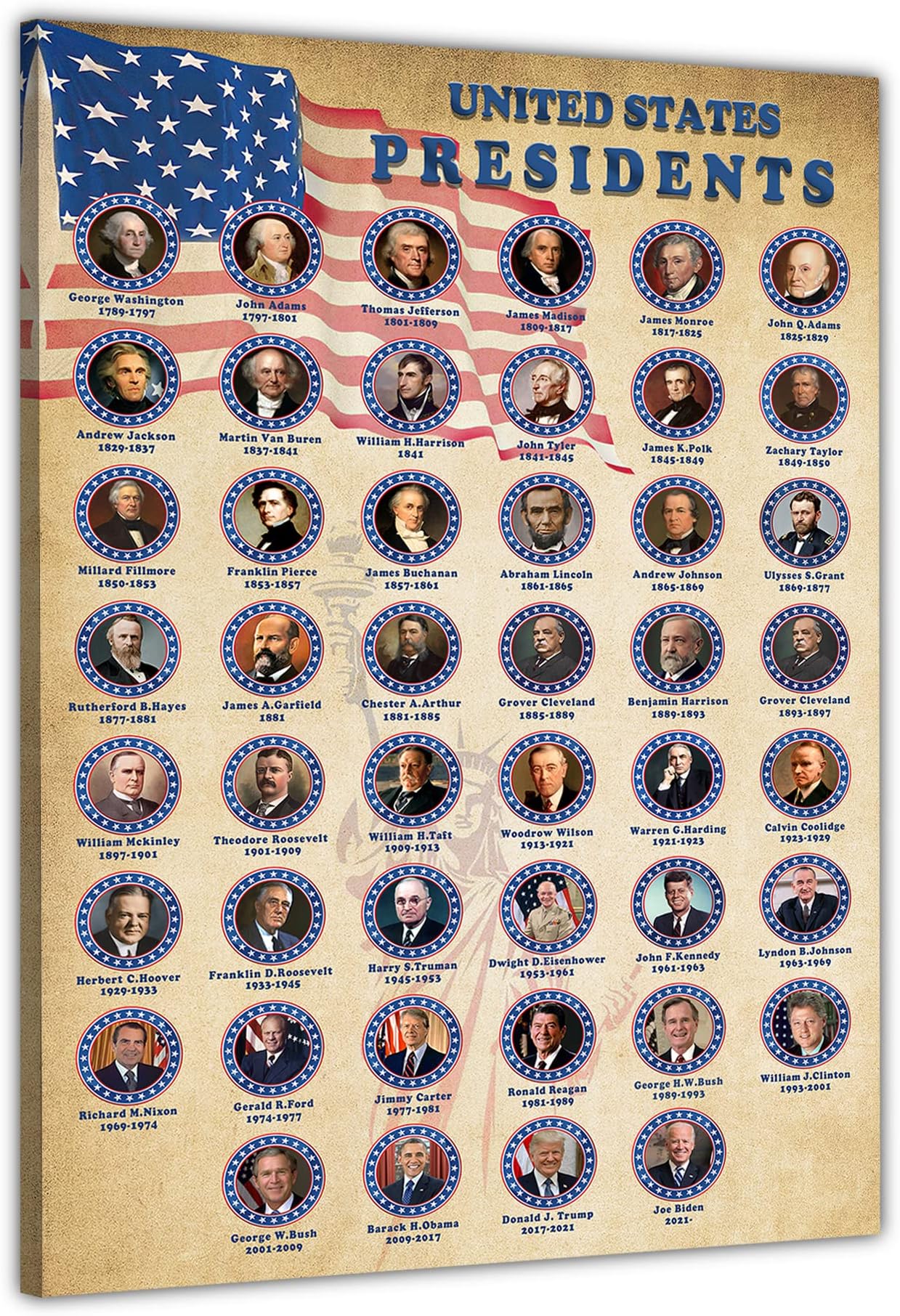
History provides numerous examples of how a President’s understanding, or lack thereof, of the Executive Branch has shaped their administration’s success or failure.
Example 1: Lyndon B. Johnson and the Great Society
President Johnson possessed an unparalleled understanding of the legislative process and the machinery of government. He was known for his deep engagement with agency heads and his ability to cajole and persuade them to implement his ambitious Great Society programs. His intimate knowledge of the bureaucracy allowed him to effectively navigate its complexities and achieve significant legislative victories in areas like civil rights and poverty reduction. His success was a testament to his direct and often hands-on approach to managing the Executive Branch.
Example 2: Donald Rumsfeld’s Reforms at the Department of Defense
During his tenure as Secretary of Defense under President George W. Bush, Donald Rumsfeld undertook significant reforms. While some initiatives aimed to modernize the military and streamline operations, critics argued that his understanding of the deeply ingrained culture and operational realities within the Pentagon was incomplete. The challenges faced in the Iraq War, including issues with troop deployment and logistics, were, in part, attributed to a disconnect between Rumsfeld’s vision and the practicalities of the military bureaucracy. This highlights how a lack of nuanced understanding can lead to unintended consequences.
Example 3: The Obama Administration’s Affordable Care Act (ACA) Implementation

The successful rollout of the Healthcare.gov website, a critical component of the ACA, was a complex undertaking involving multiple agencies and private contractors. While the ultimate goal was achieved, the initial launch was plagued by technical glitches and delays. This underscored the immense challenge of coordinating large-scale technological projects within the Executive Branch and the need for meticulous oversight and a deep understanding of project management principles, even for highly skilled teams. President Obama’s administration, despite facing initial hurdles, ultimately managed to navigate these challenges, demonstrating resilience and a commitment to understanding and resolving systemic issues.
The President’s Toolkit for Executive Branch Mastery
Given the complexity of the Executive Branch, how does a President equip themselves to navigate its intricacies? Several key tools and strategies are employed:
- The White House Staff: A highly competent and loyal White House staff, including the Chief of Staff, National Security Advisor, and senior policy advisors, serves as the President’s primary conduit to the Executive Branch. These individuals possess deep knowledge of government operations and can effectively manage interagency relations.
- The Office of Management and Budget (OMB): The OMB plays a critical role in shaping the President’s agenda through the budget process. It oversees the formulation of the annual federal budget and evaluates agency performance and effectiveness. A President relies heavily on the OMB for insights into the financial and operational health of the Executive Branch.
- Regular Briefings and Consultations: Presidents engage in constant briefings with agency heads, intelligence officials, and policy experts. These regular interactions are crucial for staying informed and for exercising oversight.
- Executive Departments’ Internal Expertise: Presidents must cultivate an environment where agency heads feel empowered to provide candid assessments and to highlight potential challenges, even if they are unpopular.
- Congressional Oversight: While the Executive Branch is headed by the President, Congress plays a crucial oversight role through hearings, investigations, and budgetary controls. A President must understand how congressional scrutiny can impact their administration and how to effectively engage with legislators regarding executive branch operations.
The Stakes of Executive Branch Ignorance
The consequences of a President lacking a firm grasp of the Executive Branch can be severe:
- Policy Failures: Misguided policies, poorly executed programs, and wasted resources can all stem from a lack of understanding of how the bureaucracy functions.
- Erosion of Public Trust: Inefficient or ineffective governance can lead to public cynicism and a decline in confidence in government.
- National Security Risks: In areas like foreign policy and defense, a lack of understanding of intelligence capabilities or military operations can have catastrophic consequences.
- Undermining Democratic Institutions: A president who operates without a clear understanding of the established processes and norms of the Executive Branch risks undermining the very foundations of democratic governance.
The President of the United States is not merely the symbolic head of state or the chief orator; they are the chief executive, entrusted with the immense responsibility of leading and directing the vast machinery of the Executive Branch. This responsibility demands more than just ambition; it requires a profound and continuous engagement with the intricate workings of departments, agencies, and commissions. A President’s ability to set a vision, implement policy, and respond to challenges hinges directly on their understanding of this complex ecosystem. From understanding the nuanced mandates of individual agencies to fostering a culture of effective leadership and judicious resource allocation, a President’s mastery of the Executive Branch is the compass that guides their administration through the often-turbulent seas of governance. Without this understanding, even the noblest intentions can falter, and the promise of effective leadership remains unfulfilled. The role of the President in understanding the Executive Branch is, therefore, not a peripheral concern, but the very bedrock upon which successful and responsible governance is built.