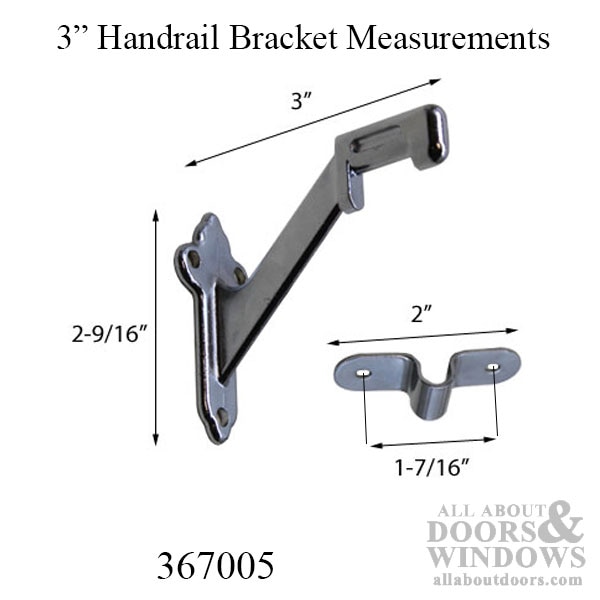
When it comes to construction, DIY projects, or various applications in manufacturing and design, brackets play a crucial role in providing support and stability. Among the most commonly used brackets are the 3-inch variants, which can be made from either metal or plastic. This article aims to compare these two materials in terms of strength, durability, cost, environmental impact, and applications, helping you make an informed decision for your next project.
Understanding Brackets: The Basics
Brackets are L-shaped supports used to hold objects in place. They can be found in various applications, from shelving units to heavy machinery. The choice of material is essential as it directly affects the bracket’s performance and longevity.
Material Comparison: Metal vs. Plastic
1. Strength and Load-Bearing Capacity
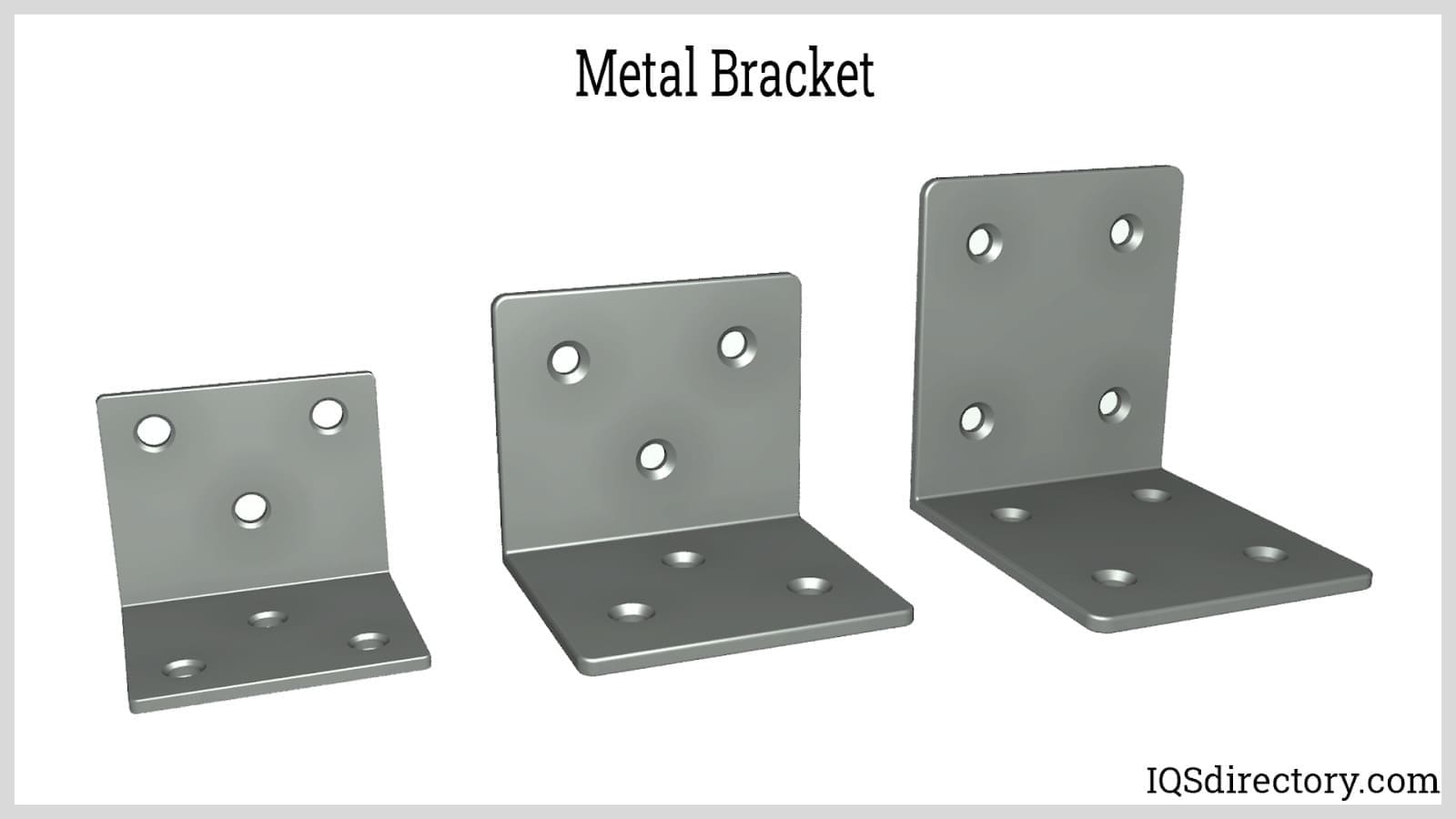
One of the most critical factors when selecting brackets is their strength and load-bearing capacity. Here’s how metal and plastic compare:
- Metal Brackets: Typically made from steel or aluminum, metal brackets are known for their exceptional strength. They can handle heavier loads and are less likely to deform under pressure.
- Plastic Brackets: While modern plastics can be surprisingly strong, they generally cannot match the load-bearing capacity of metal. Plastic brackets may work well for lightweight applications but can fail when subjected to heavy loads.
2. Durability and Longevity

Durability is another essential aspect to consider:
- Metal Brackets: Metal is resistant to wear and tear, making it suitable for long-term applications. However, it can corrode over time, especially when exposed to moisture unless it’s treated or coated.
- Plastic Brackets: Plastic does not rust or corrode, which makes it a popular choice for outdoor applications. However, it can become brittle over time, especially when exposed to UV light and extreme temperatures.
3. Cost-Effectiveness
Cost is always a consideration in any project. Here’s how the two materials stack up:
- Metal Brackets: Generally more expensive due to the cost of raw materials and manufacturing processes. They can be a worthwhile investment for high-load applications.
- Plastic Brackets: Typically cheaper and more accessible, plastic brackets are ideal for budget-conscious projects where weight is minimal.
4. Environmental Impact
As sustainability becomes increasingly important, the environmental impact of materials is a crucial consideration:
- Metal Brackets: Metal is recyclable, which mitigates some of its environmental footprint. However, the mining and processing of metals can be resource-intensive.
- Plastic Brackets: While some plastics can be recycled, many types are not biodegradable. The production of plastics is also linked to fossil fuel consumption and pollution.
Applications: Where to Use Each Material
The choice between metal and plastic brackets often depends on the specific application. Here are some common scenarios:
1. Metal Bracket Applications
- Heavy-Duty Shelving: Metal brackets are ideal for supporting heavy shelves in garages, warehouses, and retail settings.
- Construction: In building frameworks, metal brackets provide the necessary strength to support structural elements.
- Industrial Equipment: Machinery often requires metal brackets for stability and safety due to the high loads involved.
2. Plastic Bracket Applications

- Home Decor: For lightweight shelving or decorative elements, plastic brackets can be an aesthetic and cost-effective choice.
- Outdoor Use: Plastic brackets are suitable for outdoor furniture or equipment where moisture and corrosion are concerns.
- Electronics: Many electronic devices use plastic brackets for internal support due to their non-conductive properties.
Case Studies: Real-World Examples
To put this comparison into perspective, let’s look at a couple of real-world examples:
Case Study 1: Industrial Warehouse Shelving
A large industrial warehouse needed to install shelving units to store heavy equipment. After weighing the options, the management opted for metal brackets due to their superior load-bearing capacity. The metal brackets provided the necessary strength and durability, resulting in a safe and efficient storage solution.
Case Study 2: DIY Home Project
A homeowner looking to create a lightweight shelving unit in their living room chose plastic brackets for their project. The plastic brackets were not only cost-effective but also added a modern aesthetic to the decor. The shelves were sufficient for decorative items, demonstrating that plastic can be suitable for certain applications.
Statistics to Consider
Here are some pertinent statistics that highlight the differences between metal and plastic brackets:
- Metal brackets can support loads of up to 500 lbs depending on the design and material.
- Plastic brackets typically have a load-bearing capacity of 50 to 100 lbs.
- According to a study by the American Iron and Steel Institute, metal recycling rates in the U.S. are around 70%, making it one of the most recycled materials.
- Plastics account for approximately 12% of municipal solid waste, highlighting concerns regarding their environmental impact.
Conclusion: Making the Right Choice

When deciding between metal and plastic 3-inch brackets, the choice ultimately hinges on your specific needs, budget, and environmental considerations. Metal brackets are ideal for heavy-duty applications requiring strength and durability, while plastic brackets offer cost-effective solutions for lighter loads and aesthetic purposes.
This comparison underscores the importance of evaluating the context in which the brackets will be used. By considering factors such as load-bearing capacity, durability, cost, and environmental impact, you can make a well-informed decision that aligns with your project’s requirements.
In summary, both metal and plastic brackets have their advantages and disadvantages. Understanding these differences will enable you to select the appropriate material for your project, ensuring safety, durability, and cost-effectiveness.