In recent years, the world of interior design has embraced a variety of styles that celebrate both form and function. Among these, the trend of riveted furniture stands out as a captivating reflection of industrial aesthetics. This article delves into the allure of riveted furniture, exploring its history, design principles, and practical applications in modern interiors. With a blend of visual appeal and durability, riveted furniture is not just a nostalgic nod to the past; it is a design trend worthy of exploration.
Understanding Riveted Furniture
Riveted furniture, characterized by its use of metal rivets to join materials, is a hallmark of industrial design. This technique, rooted in the manufacturing practices of the late 19th and early 20th centuries, imbues furniture with a sense of ruggedness and authenticity.
A Brief History of Riveting in Design
The use of rivets can be traced back to the Industrial Revolution when they were employed in the construction of bridges, ships, and buildings. The aesthetic appeal of rivets eventually found its way into furniture design, particularly as the modernist movement began to celebrate raw materials and structural honesty. The following points capture the historical significance and evolution of riveted furniture:
- Late 19th Century: The advent of mass production and the rise of factories saw the introduction of rivets in furniture-making.
- Early 20th Century: Designers like Marcel Breuer and Le Corbusier began incorporating riveted metal into their iconic pieces.
- Post-War Era: The trend experienced a resurgence as people sought to repurpose industrial materials in home décor.
The Appeal of Riveted Furniture
Riveted furniture appeals to a wide audience due to its unique blend of durability, aesthetics, and versatility. Here are some of the primary reasons why riveted furniture is gaining popularity:
1. Aesthetic Versatility
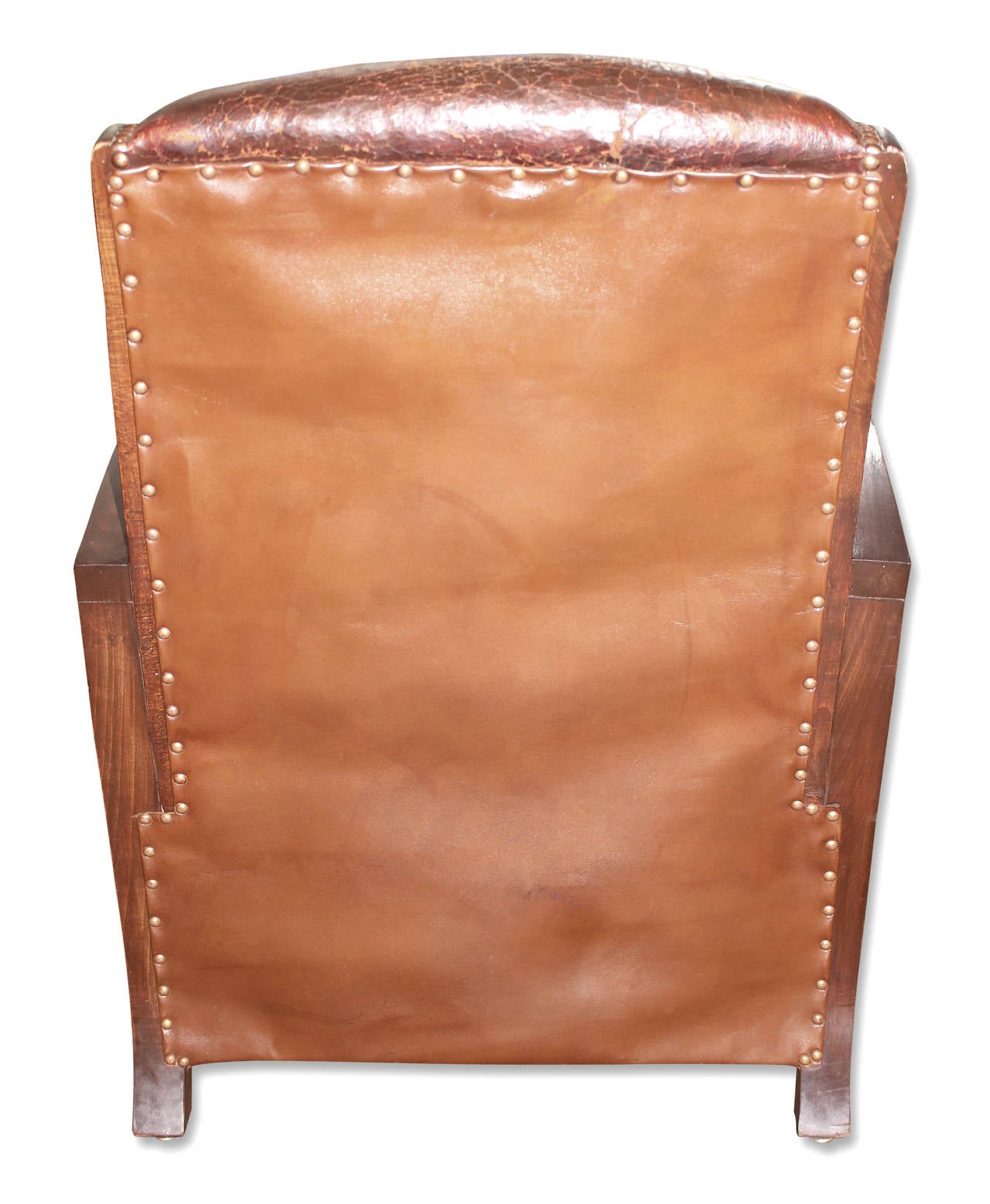
The industrial charm of riveted furniture is evident in its ability to blend seamlessly with various design styles:
- Industrial Style: Naturally fits into spaces that embrace raw materials and an urban edge.
- Modern Minimalism: The clean lines and structural integrity complement minimalist aesthetics.
- Eclectic Decor: Adds character and a touch of whimsy to mixed-style interiors.
2. Durability and Longevity

Riveted furniture is built to last. The use of metal and robust joints ensures that these pieces can withstand wear and tear, making them ideal for both residential and commercial spaces. Key points include:
- Weather Resistance: Metal components are less prone to damage from moisture and pests.
- Timelessness: Riveted designs often become timeless pieces that age gracefully.
- Repairability: Damaged parts can often be replaced or repaired without compromising the entire piece.
3. Sustainability and Upcycling
As sustainability becomes a paramount concern in design, riveted furniture offers a compelling solution. Many designers are turning to reclaimed materials, breathing new life into discarded items. This trend includes:
- Repurposed Industrial Materials: Using salvaged metal and wood minimizes waste and promotes eco-friendliness.
- Local Craftsmanship: Many riveted furniture pieces are handcrafted, supporting local artisans and reducing carbon footprints.
- Timeless Design: Durable pieces reduce the need for frequent replacements, contributing to a more sustainable lifestyle.
Design Principles of Riveted Furniture
Understanding the design principles behind riveted furniture can help homeowners and designers make informed choices. Here are some key design elements to consider:
1. Material Selection

The combination of materials plays a crucial role in the overall aesthetic and functionality of riveted furniture. Common material pairings include:
- Metal and Wood: The contrast between the hardness of metal and the warmth of wood creates visual interest.
- Glass and Steel: Offers a modern twist while retaining the industrial charm.
- Leather and Metal: Adds a touch of luxury and comfort.
2. Color Palette

Riveted furniture typically features muted tones that enhance its industrial vibe. Popular colors include:
- Charcoal and Black: Reinforces the industrial look.
- Earthy Tones: Wood finishes in browns and beiges add warmth.
- Metallics: Brushed or polished metals can serve as accent colors.
3. Form and Function
Riveted furniture often prioritizes functionality without sacrificing form. This duality is essential in creating pieces that are both beautiful and practical:
- Multi-Functionality: Many pieces serve dual purposes, such as a coffee table that doubles as storage.
- Modular Designs: Allow for customization and adaptability to various spaces.
- Ergonomic Considerations: Focus on comfort without compromising aesthetic appeal.
Case Studies: Riveted Furniture in Action
To further illustrate the appeal and versatility of riveted furniture, let’s examine a few case studies that highlight its successful integration into various environments.
1. The Urban Loft
In an urban loft in New York City, a designer utilized riveted furniture to enhance the industrial features of the space. Key elements included:
- Riveted Metal Dining Table: A centerpiece that draws attention while providing ample space for dining.
- Custom Shelving Units: Made from reclaimed wood and metal, showcasing the beauty of imperfections.
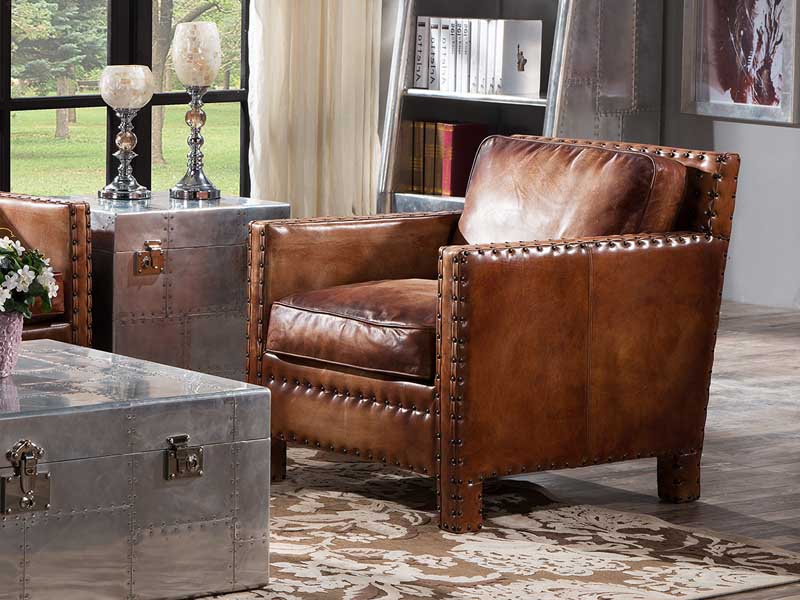
- Accent Chairs: Upholstered in leather with riveted edges, adding comfort and style.
2. A Rustic Café
A café in Portland, Oregon, embraced riveted furniture to evoke a sense of community and warmth. Features included:
- Riveted Benches: Long, communal seating that encourages social interaction.
- Industrial Light Fixtures: Complement the riveted theme while providing functional lighting.
- Reclaimed Wood Tables: Each table tells a story, enhancing the café’s rustic charm.
Statistics and Market Trends
The rise of riveted furniture is not merely a fleeting trend; it reflects broader market shifts. According to a report by the Global Industry Analysts, the global furniture market is projected to reach $650 billion by 2025, with a significant portion attributed to the demand for industrial-style furniture. Notable statistics include:
- Consumer Interest: 68% of consumers surveyed express a preference for furniture that combines aesthetics with durability.
- Sustainable Design Growth: The eco-friendly furniture market is expected to grow at a CAGR of 9.5% from 2021 to 2026.
- Online Sales Surge: E-commerce for furniture has seen a 30% increase, reflecting a shift towards online shopping for unique designs.
The industrial charm of riveted furniture represents a harmonious blend of history, durability, and aesthetic appeal. As we have explored, this design trend is not merely about aesthetics; it is a reflection of sustainable practices, modern functionality, and the timeless allure of raw materials. From urban lofts to rustic cafes, riveted furniture continues to find its place in diverse environments, captivating the hearts of homeowners and designers alike. As the market evolves, riveted furniture stands poised to remain a significant player in the world of interior design, offering a unique narrative that celebrates the beauty of industrial craftsmanship.