In the sprawling landscape of industrial operations, efficient air movement is not merely a comfort factor; it’s a critical element for productivity, safety, and the longevity of equipment. Among the various air-moving devices, belt-driven fans stand out for their robustness, versatility, and ability to handle demanding applications. However, with a multitude of options available, selecting the *right* belt-driven fan can feel like navigating a complex maze. This article aims to demystify the selection process, offering a comprehensive guide to help industrial professionals make informed decisions.
Understanding the Core of Belt-Driven Fans
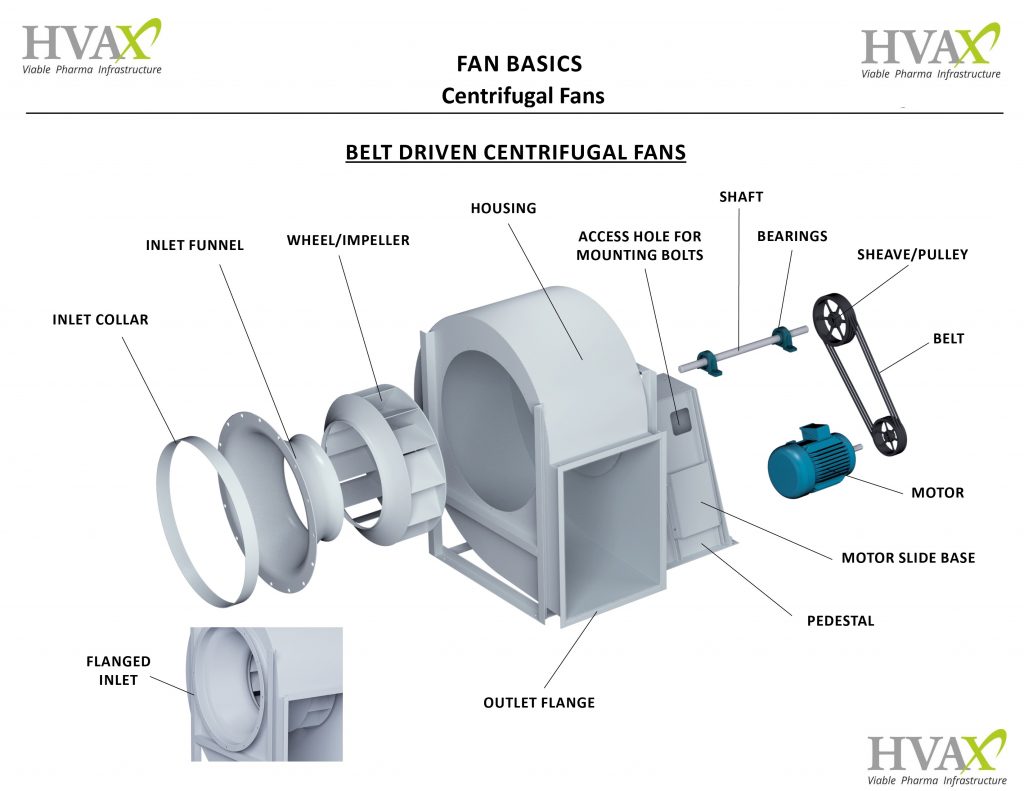
At its heart, a belt-driven fan utilizes a belt and pulley system to transmit rotational power from a motor to the fan impeller. This indirect drive offers several key advantages over direct-drive systems, particularly in industrial settings:
- Motor Flexibility: The motor can be located away from the airstream, allowing for the use of standard, readily available motors and preventing exposure to heat, corrosive elements, or hazardous atmospheres.
- Speed Control: By changing pulley sizes, the fan speed can be precisely adjusted to match specific airflow and pressure requirements without needing to alter the motor speed itself.
- Reduced Vibration and Noise: The belt acts as a dampener, isolating motor vibrations from the fan and often leading to quieter operation.
- Durability: Belt drives are generally robust and can withstand shock loads and continuous operation, making them ideal for harsh industrial environments.
The impeller, the rotating component that moves the air, is the heart of the fan’s performance. Different impeller designs are optimized for various airflow and pressure characteristics. Understanding these differences is paramount when selecting the appropriate fan.
Key Factors to Consider When Selecting a Belt-Driven Fan
The selection of a belt-driven fan is a multifaceted process that requires a thorough understanding of your specific application’s needs. Ignoring any of these critical factors can lead to suboptimal performance, increased energy consumption, premature equipment failure, and even safety hazards.
1. Airflow Requirements: The Volume of Air You Need to Move
This is perhaps the most fundamental consideration. Airflow is typically measured in cubic feet per minute (CFM) or cubic meters per hour (CMH). You need to accurately determine the volume of air that needs to be transferred for your process. This calculation often involves:
- Ventilation Rates: For general ventilation, consult relevant industry standards or building codes for required air changes per hour.
- Process Demands: For specific industrial processes like cooling, drying, or material conveying, the airflow requirements will be dictated by the process’s efficiency and capacity.
- Dust Collection: In dust collection systems, a minimum air velocity is required to keep particles suspended for efficient capture.
Example: A food processing plant requiring fresh air intake for hygiene might need to achieve a certain number of air changes per hour across its production floor. Conversely, a chemical drying process might require a specific CFM to ensure rapid moisture removal.
2. Static Pressure: The Resistance the Fan Must Overcome
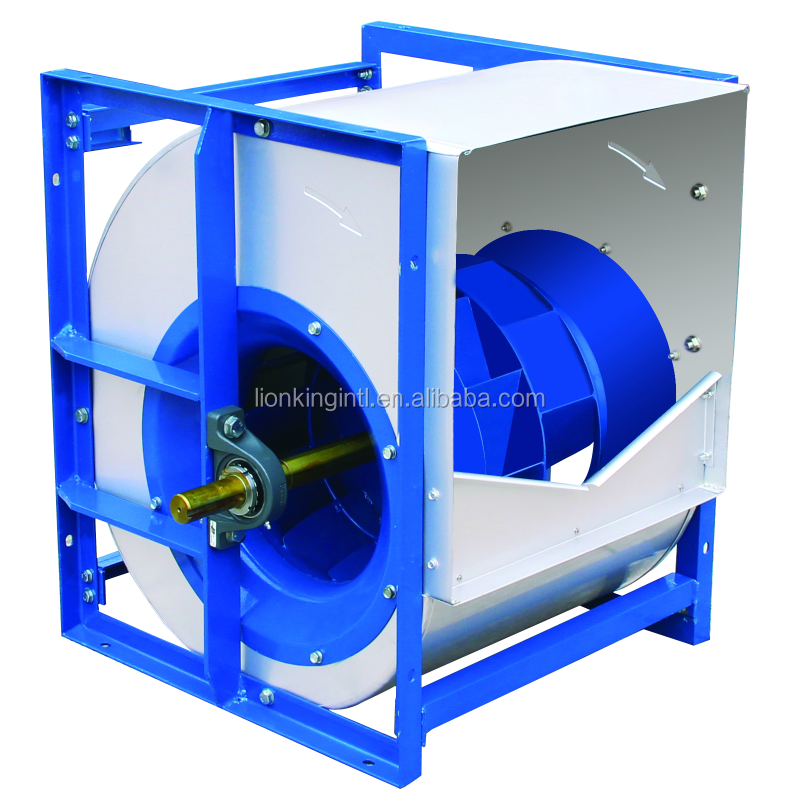
Static pressure, measured in inches of water gauge (in. w.g.) or Pascals (Pa), represents the resistance to airflow within the ductwork, filters, dampers, and other components of the system. A fan’s ability to overcome this resistance is crucial for delivering the required airflow. Factors contributing to static pressure include:
- Ductwork Length and Diameter: Longer and narrower ducts create more friction.
- Bends and Elbows: Each bend introduces resistance.
- Filters and Louvers: These components, while necessary, significantly increase static pressure.
- System Configuration: The overall complexity of the air distribution system.
Case Study: A manufacturing facility experienced poor drying times in their new automated painting line. Upon investigation, it was found that the existing exhaust fan was undersized for the increased static pressure caused by new, denser filter banks. Upgrading to a fan with higher static pressure capability resolved the issue, leading to a 15% improvement in drying efficiency.
3. Air Properties and Temperature: Handling the Medium
The characteristics of the air being moved can significantly influence fan selection. Consider:
- Temperature: High temperatures can affect motor performance and material selection for fan components. Special considerations are needed for high-temperature applications, such as using heat-resistant materials and positioning the motor further away.
- Corrosiveness: If the air contains corrosive elements, materials resistant to chemical attack, such as stainless steel or specialized coatings, must be used for the impeller and housing.
- Particulate Load: For dusty or particulate-laden air, impeller designs that minimize material buildup and are easy to clean are beneficial.
Statistic: In environments with high humidity and corrosive fumes, the lifespan of standard steel fans can be reduced by up to 40% compared to those made from corrosion-resistant alloys or coated materials.
4. Impeller Type: Matching Design to Application

The impeller is the engine of the fan, and its design directly dictates its performance characteristics. The most common types for industrial belt-driven fans include:
- Backward-Inclined (BI) and Backward-Curved (BC): These are highly efficient and suitable for clean air applications requiring moderate to high pressures. They offer a non-overloading power characteristic, meaning the motor won’t be overloaded if the system resistance decreases.
- Radial Blade: These are robust and excel in handling high static pressures and dirty or high-particulate air. They are often used in material handling and dust collection systems. However, they are less efficient than BI/BC fans.
- Forward-Curved (FC): These impellers can move a large volume of air at lower pressures and are often used in HVAC applications. They are more sensitive to changes in system resistance and can overload the motor if the static pressure drops too low.
- Airfoil: These offer the highest efficiency and are ideal for clean air, low-pressure applications where energy savings are paramount.
Choosing the correct impeller type ensures the fan operates at its optimal efficiency point, minimizing energy consumption and maximizing performance.
5. Fan Size and Speed: Balancing Capacity and Constraints

The physical size of the fan and its rotational speed (RPM) are interconnected. Larger fans generally move more air at lower speeds, while smaller fans require higher speeds to achieve the same airflow. Factors to consider include:
- Space Limitations: The available footprint and height for installation.
- Noise Levels: Lower speeds generally result in quieter operation.
- Motor Sizing: The required motor horsepower will depend on the fan’s speed, airflow, and pressure.
The ability to adjust fan speed via pulley ratios provides significant flexibility. For instance, if your process demands change, you can often reconfigure the belt drive to achieve the new requirements without replacing the entire fan.
6. Motor Selection: The Power Behind the Performance
The motor drives the fan, and its selection is critical for reliable operation. Key considerations include:
- Horsepower (HP): Must be sufficient to meet the fan’s power requirements at its operating point.
- Voltage and Phase: Must match the available power supply.
- Enclosure Type: Such as TEFC (Totally Enclosed Fan-Cooled) for general use or explosion-proof for hazardous areas.
- Service Factor: Indicates the motor’s ability to handle temporary overloads.
- Efficiency Rating: High-efficiency motors can lead to substantial energy savings over their lifespan.
Example: A food processing plant requiring a fan to operate in a washdown environment would need a motor with an appropriate NEMA enclosure rating (e.g., washdown duty) and potentially specialized coatings to prevent corrosion.
7. Materials of Construction: Durability and Compatibility
The materials used in fan construction must be chosen based on the operating environment and the air being handled. Common materials include:
- Steel: Standard steel is suitable for general-purpose, clean air applications.
- Galvanized Steel: Offers some corrosion resistance and is often used in less demanding corrosive environments.
- Stainless Steel: Ideal for corrosive atmospheres, high-temperature applications, and food-grade environments due to its excellent resistance to rust and chemical attack.
- Aluminum: Lightweight and corrosion-resistant, often used in specialized applications.
- Plastics and Composites: For highly corrosive environments where metal is not suitable.
The choice of material directly impacts the fan’s lifespan and maintenance requirements.
8. Noise and Vibration: Ensuring a Tolerable Working Environment
Industrial fans can be significant sources of noise and vibration. If your application has strict noise limits or if excessive vibration could damage sensitive equipment, these factors must be addressed:
- Fan Type and Speed: As mentioned, lower speeds and certain impeller types generate less noise.
- Ductwork Design: Properly designed ductwork can help attenuate noise.
- Acoustic Insulation: For very sensitive environments, acoustic lining can be added to the fan housing or ductwork.
- Vibration Isolation: Anti-vibration mounts for the fan and motor can significantly reduce transmission of vibration.
Statistic: Prolonged exposure to industrial noise levels exceeding 85 dBA can lead to irreversible hearing damage. Implementing noise reduction strategies for fans is therefore a critical safety consideration.
A Step-by-Step Approach to Fan Selection
To streamline the selection process, consider the following systematic approach:
- Define Application Requirements: Clearly outline the airflow, static pressure, temperature, and any specific environmental conditions.
- Consult Performance Curves: Fan manufacturers provide performance curves that graphically represent the relationship between airflow, static pressure, and power consumption for each impeller type.
- Identify Potential Fan Models: Based on your requirements, identify fan models that meet or exceed your airflow and pressure needs.
- Evaluate Efficiency: Compare the energy efficiency of different models, especially for continuous operation.
- Consider Durability and Materials: Select fans constructed from materials suitable for your operating environment.
- Factor in Noise and Vibration: If critical, assess the noise and vibration levels of potential selections.
- Obtain Quotes and Technical Support: Engage with reputable fan manufacturers and distributors. Their technical expertise can be invaluable in fine-tuning your selection.
The Power of Informed Choice

Choosing the right belt-driven fan for your industrial needs is an investment that pays dividends in terms of operational efficiency, energy savings, equipment longevity, and workplace safety. By meticulously considering factors such as airflow, static pressure, air properties, impeller type, motor specifications, materials of construction, and noise levels, you can confidently select a fan that not only meets but exceeds your expectations. Remember that consulting with experienced fan manufacturers and engineers is a crucial step in ensuring you make the most informed and cost-effective decision. A well-selected belt-driven fan is a silent workhorse, driving your industrial processes forward with reliable and efficient air movement.