
A reliable water supply is a cornerstone of modern living, and for homeowners relying on well water, the pressure tank plays a critical, often unsung, role. This seemingly simple component is the silent guardian of consistent water pressure, preventing the constant cycling of your well pump and ensuring that every faucet, showerhead, and appliance receives water when you need it. However, selecting the correct pressure tank can be a daunting task, with a myriad of options and technical specifications to navigate. This article will delve deep into the essential factors to consider when choosing the right well pressure tank for your home, empowering you with the knowledge to make an informed decision.
The Crucial Role of a Well Pressure Tank
Before we dive into the selection process, it’s vital to understand *why* a pressure tank is so indispensable. A well system typically consists of a submersible or jet pump, a pressure switch, and the pressure tank. The pump draws water from the well and delivers it to the house. Without a pressure tank, the pump would turn on every time you opened a faucet and turn off immediately after you closed it. This constant on-off cycling (known as “short cycling”) is incredibly inefficient, puts immense strain on the pump, and leads to erratic water pressure.
The pressure tank acts as a reservoir, storing water under pressure. It contains a diaphragm or bladder (in modern tanks) that separates air from water. As the pump fills the tank, it compresses the air. When you use water, the compressed air pushes the water out, maintaining consistent pressure. The pressure switch monitors this pressure, turning the pump off when the tank is full and on again when the pressure drops to a predetermined level. This efficient system ensures a steady flow and protects your pump from premature wear and tear.
Key Factors to Consider When Choosing a Well Pressure Tank

Selecting the appropriate pressure tank involves a careful evaluation of several interconnected factors. Overlooking any of these can lead to suboptimal performance, increased energy consumption, and potential damage to your well system.
1. Tank Size: The Cornerstone of Performance
Tank size is arguably the most critical factor. An undersized tank will lead to frequent pump cycling, negating the benefits of having a tank. An oversized tank, while seemingly providing ample water, can lead to water stagnation, potentially affecting water quality and also causing the pump to run for longer periods each cycle, which can also be inefficient. The ideal size is determined by several considerations:
- Well Pump Horsepower: Larger horsepower pumps generally require larger tanks to accommodate their output and prevent short cycling. A common rule of thumb is that for every 0.5 horsepower, you should have at least 5 gallons of usable capacity.
- Number of Fixtures and Water Usage Habits: A larger household with multiple bathrooms, dishwashers, washing machines, and a garden will naturally consume more water. The tank needs to be able to supply sufficient water during peak usage periods. Consider the number of people in your home and their typical water consumption patterns.
- Pressure Switch Cut-in and Cut-out Settings: The pressure switch dictates when the pump turns on (cut-in) and off (cut-out). A wider pressure differential (e.g., 40 psi cut-in and 60 psi cut-out) allows for a larger volume of water to be drawn from the tank before the pump engages, requiring a larger tank. A narrower differential necessitates a smaller tank.
- Usable Water Capacity: It’s important to understand that the advertised tank size is its total volume, not its usable water capacity. For diaphragm or bladder tanks, the usable capacity is typically around 2/3 to 3/4 of the total volume. For older, pre-pressurized “air-over-water” tanks, this ratio can be even lower.
Example: A home with a 1 HP pump, two bathrooms, and a family of four might benefit from a 50-gallon tank. A larger home with a 1.5 HP pump and more water-demanding appliances might require an 80-gallon or even a 100-gallon tank.
2. Tank Type: Diaphragm vs. Bladder vs. Air-Over-Water
The internal design of a pressure tank significantly impacts its performance, maintenance, and lifespan. The three main types are:
- Diaphragm Tanks: These tanks feature a flexible diaphragm that divides the tank into an air section and a water section. The diaphragm is anchored at the center of the tank.
- Pros: Generally more affordable, good for moderate water usage.
- Cons: The diaphragm can eventually wear out, leading to leaks and decreased performance. Not ideal for very high usage.
- Bladder Tanks: These tanks contain a butyl rubber bladder that holds the water, with air surrounding it. The bladder is typically connected to the water outlet.
- Pros: Excellent durability, longer lifespan, prevents waterlogging of air, and virtually eliminates waterlogging. They maintain their air charge better over time.
- Cons: More expensive than diaphragm tanks.
- Air-Over-Water (Traditional) Tanks: These older designs rely on an air cushion above the water. They require periodic air charge checks and adjustments.
- Pros: Simple design, often found in older installations.
- Cons: Prone to waterlogging (air dissolving into the water), requiring more frequent maintenance and potentially leading to inconsistent pressure.
Recommendation: For most modern homes, a bladder tank is the preferred choice due to its superior durability and reduced maintenance requirements. Diaphragm tanks are a budget-friendly option for less demanding applications.
3. Tank Construction Material: Durability and Longevity

The material used to construct the tank is crucial for its longevity and resistance to corrosion. The most common materials are:
- Steel: Steel tanks are robust and widely available. However, they are susceptible to rust and corrosion, especially in areas with aggressive water chemistry. Many steel tanks have an internal epoxy or glass lining to protect against corrosion.
- Fiberglass: Fiberglass tanks are lightweight, corrosion-resistant, and do not rust. They are an excellent choice for areas with corrosive water or high humidity.
- Stainless Steel: While the most durable and corrosion-resistant, stainless steel tanks are also the most expensive. They are often overkill for standard residential applications but can be a worthwhile investment in harsh environments.
Case Study: A homeowner in a coastal region with salty air and potentially corrosive well water experienced premature failure of their steel pressure tank. Switching to a fiberglass tank significantly extended its lifespan and eliminated recurring replacement costs.
4. Mounting Options: Vertical vs. Horizontal
Pressure tanks are available in both vertical and horizontal configurations. The choice often comes down to space availability and installation preferences.
- Vertical Tanks: These are the most common type. They take up less floor space but can be taller. They are generally easier to drain and maintain.
- Horizontal Tanks: These are wider and shorter, making them suitable for installations with low ceilings. However, they can be more prone to sediment buildup and may require more effort for maintenance.
Ensure you have adequate space and consider any potential obstructions when choosing the mounting orientation.
5. Pressure Settings and Compatibility

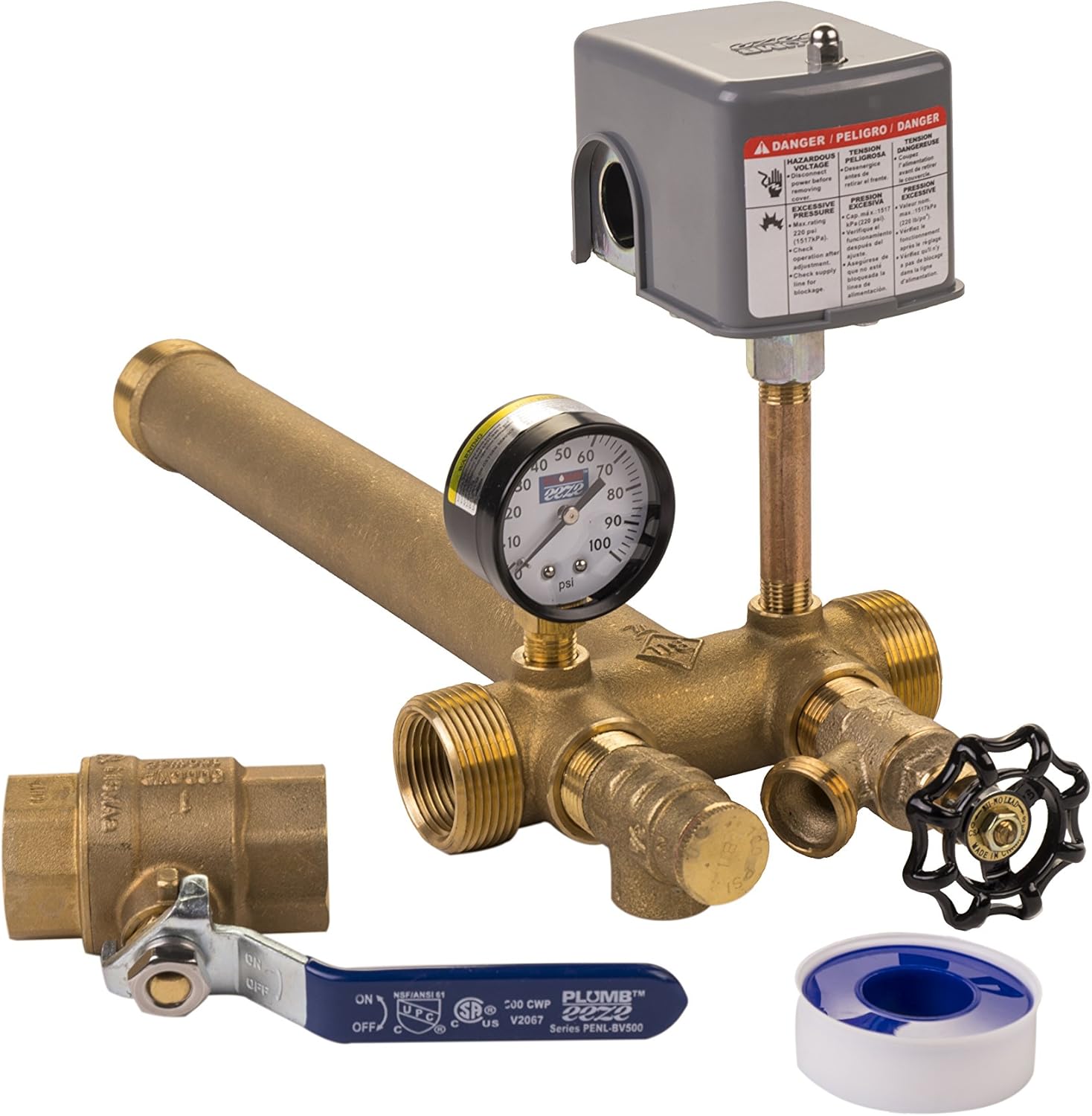
Your pressure tank must be compatible with your well pump’s pressure switch. The tank’s maximum working pressure should exceed your pressure switch’s cut-out setting. For example, if your pressure switch is set to cut out at 60 psi, your tank should be rated for at least 75 psi or higher to provide a safety margin.
Statistics: According to the Water Systems Council, a properly sized and maintained pressure tank can extend the life of a well pump by up to 30%.
Installation and Maintenance Considerations

Once you’ve chosen the right tank, proper installation and ongoing maintenance are crucial for optimal performance and longevity.
- Professional Installation: While some DIY enthusiasts may be tempted to install a pressure tank themselves, it is highly recommended to hire a qualified plumber or well technician. Incorrect installation can lead to leaks, improper pressure regulation, and damage to your well system.
- Waterlogged Tanks: Periodically check your tank for waterlogging. This occurs when the air charge in the tank is depleted. Symptoms include frequent pump cycling and reduced water pressure. Most modern tanks have an air inlet valve (often called an air valve or Schrader valve) to check and adjust the air pressure.
- Sediment Buildup: Over time, sediment can accumulate in the bottom of the tank, reducing its usable capacity. Draining the tank periodically can help flush out sediment.
- Diaphragm/Bladder Integrity: If you have a diaphragm or bladder tank, listen for gurgling sounds or observe any fluctuations in pressure that might indicate a compromised diaphragm or bladder.
Troubleshooting Common Pressure Tank Issues
Understanding common problems can help you identify when your pressure tank might need attention:
- Frequent Pump Cycling (Short Cycling): This is the most common symptom of an undersized tank or a waterlogged tank.
- Erratic Water Pressure: Inconsistent pressure can be a sign of a failing diaphragm or bladder, or an improperly charged tank.
- Water Hammer: While not solely a tank issue, a properly functioning tank can help mitigate water hammer (a sudden surge in pressure when a valve is closed).
- No Water or Low Pressure: This could indicate a pump failure, a blockage, or a severely compromised pressure tank.
Investing in Consistent Comfort and Reliability
Choosing the right well pressure tank is an investment in the comfort, convenience, and reliability of your home’s water supply. By carefully considering factors such as tank size, type, construction material, and mounting options, and by ensuring professional installation and regular maintenance, you can guarantee a steady flow of water and protect your valuable well system for years to come. Don’t underestimate the importance of this essential component; a well-chosen pressure tank is the unsung hero of your home’s water system.