
Dip nails have revolutionized the at-home manicure, offering a durable and salon-quality finish without the need for specialized lamps or complex techniques. However, achieving that perfect, smooth, and beautifully shaped dip nail requires the right tools, and none are more crucial than the nail file. With a plethora of options available, from coarse grit to ultra-fine, choosing the best nail file for dip nails can feel overwhelming. This comprehensive guide will demystify the world of nail files, empowering you to make informed decisions for flawless dip nail results.
Understanding Nail File Grits: The Foundation of Your Choice
The “grit” of a nail file refers to the coarseness of the abrasive material on its surface. The number associated with the grit rating indicates how many abrasive particles are present per square inch. A lower grit number signifies a coarser file, capable of removing more material quickly, while a higher grit number indicates a finer file, used for smoothing and polishing.
Coarse Grit Files (60-100 Grit)
- Purpose: Primarily used for aggressive shaping and removing bulk.
- Application for Dip Nails: These are essential for the initial shaping of the dip powder after application. They can quickly file down excess product, create the desired nail shape (square, almond, stiletto), and even remove lifting or uneven edges.
- Caution: Overuse of coarse grit files can damage the natural nail underneath or create an uneven surface on the dip powder itself. It’s crucial to be gentle and use controlled strokes.
Medium Grit Files (100-180 Grit)
- Purpose: Versatile for both shaping and smoothing.
- Application for Dip Nails: These are the workhorses for refining the shape after the initial coarse filing. They are also excellent for smoothing any rough edges and preparing the nail surface for the top coat.
- Tip: A 150-grit file is often considered a sweet spot for dip nails, offering a good balance of shaping and smoothing capabilities.
Fine Grit Files (180-240 Grit)
- Purpose: Gentle smoothing and buffing.
- Application for Dip Nails: These are used to refine the surface further, removing any faint scratches left by coarser files. They are also ideal for smoothing the cuticle area and preparing for the final top coat application, ensuring a glass-like finish.
Ultra-Fine Grit Files (300+ Grit)
- Purpose: Polishing and achieving a high shine.
- Application for Dip Nails: While not always necessary for every dip nail application, these are perfect for those who desire a super glossy, buffed finish without polish. They can also be used to gently buff out minor imperfections after the top coat has dried, if needed.
Types of Nail Files: Material Matters
Beyond grit, the material of the nail file significantly impacts its performance, durability, and suitability for dip nails.
Emery Boards
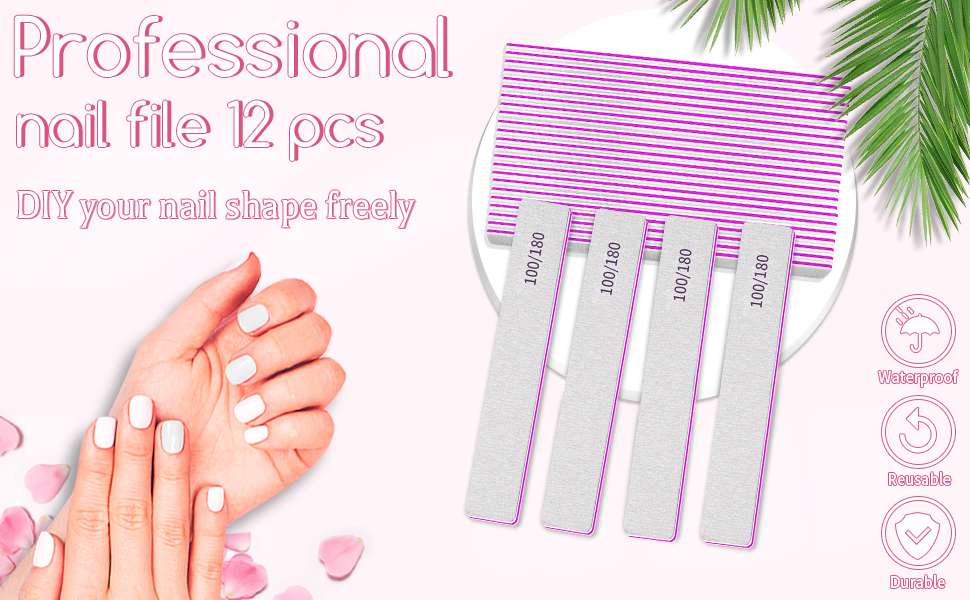
Emery boards are the classic, affordable nail files. They consist of a cardboard or plastic core with an abrasive material adhered to both sides. While readily available, they are generally less durable and can break down quickly, especially with the harder composition of dip powder.
- Pros: Inexpensive, widely available.
- Cons: Less durable, can be too abrasive if the grit is too low, can splinter.
- For Dip Nails: Best reserved for touch-ups or very light shaping after the bulk of the filing is done with more robust files.
Metal Files (Diamond or Tungsten Carbide)
Metal files are known for their durability and precision. Diamond files have diamond particles embedded in them, while tungsten carbide files utilize carbide particles. These are highly effective for shaping and smoothing hard materials like acrylics and dip powder.
- Pros: Extremely durable, long-lasting, precise filing.
- Cons: Can be very aggressive if the grit is too low, require careful handling to avoid damaging the natural nail, can be more expensive upfront.
- For Dip Nails: A medium-grit (150-180) metal file can be excellent for shaping and refining. However, extreme caution is advised to prevent damage to the natural nail.
Glass Nail Files
Glass nail files are a popular choice for their gentle yet effective filing action. They are made from tempered glass and have a micro-fine abrasive surface that seals the edge of the nail, preventing splitting and fraying. They are also non-porous and easy to clean, making them hygienic.
- Pros: Gentle on natural nails, seals nail edges, durable, hygienic, easy to clean.
- Cons: Can be fragile if dropped, generally come in finer grits, so initial shaping might require a coarser file first.
- For Dip Nails: An excellent choice for smoothing and refining the dip powder surface. A medium-to-fine grit glass file can provide a smooth finish and prepare the nail for the top coat. Many users find they can even use a glass file for initial shaping with consistent pressure.
Foam/Sponge Files (Buffer Blocks)

These are typically multi-sided blocks with different grit levels on each side. They are softer and more flexible than other types of files, making them ideal for buffing and smoothing.
- Pros: Gentle, comfortable to hold, versatile with multiple grits.
- Cons: Less durable than other types, can wear down over time, may not be aggressive enough for initial shaping of dip powder.
- For Dip Nails: Perfect for the final smoothing and buffing stages. A finer grit side can be used to create a smooth surface before applying the top coat, ensuring a flawless shine.
Choosing the Right File for Each Stage of Dip Nail Application

A successful dip nail application involves a multi-step filing process. Here’s how to select the right files for each stage:
1. Initial Shaping and Bulk Removal

After applying and activating the dip powder, you’ll need to shape the nails. This is where coarser grit files come into play.
- Recommended: A 100-150 grit emery board or a medium-grit (100-150) foam file. For more precise shaping, a medium-grit metal file can be used with extreme caution.
- Example: Imagine you’ve applied dip powder and want to create a sharp square shape. You’d start with a file that can quickly remove the excess powder to establish the basic outline.
2. Refining the Shape and Smoothing Edges
Once the basic shape is achieved, you’ll want to refine the edges and smooth out any imperfections.
- Recommended: A 150-180 grit foam file or a medium-grit glass nail file.
- Statistic: Studies by nail technicians suggest that using a progression of grits, from coarser to finer, can reduce the risk of surface scratching by up to 30%.
3. Preparing for Top Coat
The final step before applying the top coat is to ensure a perfectly smooth surface. This allows the top coat to adhere evenly and create a glossy finish.
- Recommended: A 180-240 grit foam file or a fine-grit glass nail file.
- Case Study: Sarah, a busy professional, struggled with a dull finish on her dip nails. After switching to a fine-grit glass file for the pre-top coat buffing, she noticed a significant improvement in the shine and longevity of her manicures.
4. Buffing for Shine (Optional)

If you prefer a naturally shiny finish without a top coat, or want to revive a slightly dulled top coat, ultra-fine grit files are your best friend.
- Recommended: An ultra-fine grit (300+) foam buffer or a dedicated nail buffer designed for polishing.
Tips for Using Nail Files with Dip Nails Effectively
Beyond choosing the right file, proper technique is paramount for achieving salon-quality dip nails and protecting your natural nail health.
- File in One Direction: Always file in one direction, from the cuticle towards the free edge of the nail. Sawing back and forth can create micro-tears and weaken the nail.
- Gentle Pressure: Apply consistent, gentle pressure. Let the grit of the file do the work. For dip nails, the product is quite hard, so aggressive filing can damage the underlying natural nail.
- Clean Regularly: After each use, clean your nail files to remove dust and product residue. This maintains their effectiveness and prevents the spread of bacteria. Metal and glass files can be washed with soap and water, while foam files can be wiped down.
- Inspect for Wear: Regularly inspect your files for signs of wear and tear. Worn-out files are less effective and can cause uneven results. Replace them when they lose their abrasive power.
- Consider Electric Files (E-files): For experienced users, electric nail files can be a highly efficient tool for shaping and refining dip nails. However, they require significant practice and skill to use without causing damage. Always use appropriate bits designed for acrylics and dip powder, and never apply excessive pressure.
- Buffing the Surface Before Top Coat: A light buffing with a fine-grit file before applying the top coat is crucial for removing any dust or minor imperfections that could be trapped under the glossy finish.
The Verdict: What’s the “Ultimate” Nail File for Dip Nails?
The “ultimate” nail file for dip nails isn’t a single product, but rather a strategic combination of tools. For most dip nail enthusiasts, a well-rounded collection would include:
- A coarse-grit emery board or medium-grit metal file for initial shaping.
- A medium-grit foam file or a glass nail file for refining the shape and smoothing edges.
- A fine-grit foam file or glass nail file for preparing the surface for the top coat.
Glass nail files, in particular, are gaining immense popularity for their gentle yet effective performance, making them a top contender for the title of an indispensable tool for dip nails. They offer a balance of precision, durability, and nail health benefits.
File Your Way to Flawless Dip Nails
Mastering the art of dip nails involves understanding the nuances of each step, and nail filing is a critical, often underestimated, component. By grasping the concept of grit, understanding the different types of files available, and applying them strategically throughout the process, you can achieve professional-looking results at home. Prioritize gentle pressure, proper technique, and regular cleaning of your tools. With the right nail files and a little practice, you’ll be well on your way to achieving beautiful, long-lasting dip manicures that are both durable and visually stunning.