
The mid-century modern design movement, which thrived from the late 1940s to the mid-1960s, is celebrated for its clean lines, organic forms, and functional aesthetics. One of the most significant elements of this design era is lighting, specifically flush ceiling lights. These fixtures not only illuminate spaces but also serve as iconic representations of mid-century modern style. This article delves into the characteristics, history, and notable designs of mid-century modern flush ceiling lights, offering a comprehensive guide to this captivating era.
Understanding Mid-Century Modern Design
Before diving into flush ceiling lights, it’s essential to grasp the essence of mid-century modern design. This movement emerged in post-World War II America, reflecting societal changes and advancements in technology.
Key Characteristics
- Simplicity: Clean lines and minimal ornamentation define this style.
- Functionality: Designs prioritize function over form, ensuring that every piece serves a purpose.
- Organic Forms: Natural shapes and materials are often incorporated, promoting a connection with nature.
- Integration with Nature: Large windows and open spaces are common, allowing for natural light to enhance interiors.
These characteristics extend to lighting fixtures, where form and function meet to create stunning visual statements while providing necessary illumination.
The Evolution of Flush Ceiling Lights
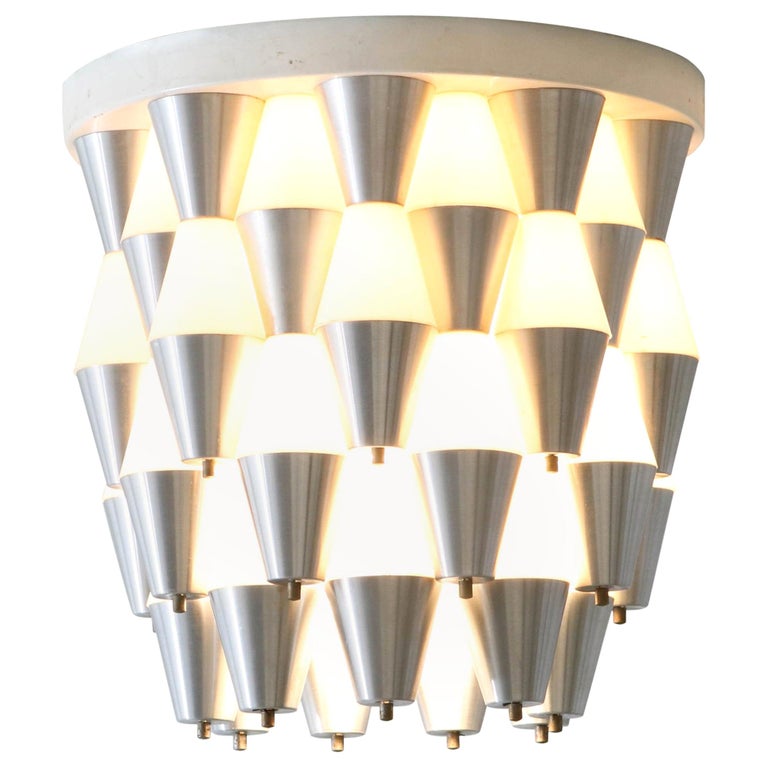
Flush ceiling lights, characterized by their close-to-ceiling design, gained popularity in the mid-century era due to their practicality and style. Initially designed for smaller spaces and low ceilings, these fixtures offered a sleek alternative to bulky chandeliers.
Historical Context
The flush ceiling light design evolved alongside technological advancements in the mid-20th century. The introduction of new materials such as plastics and metals allowed designers to experiment with shapes and finishes. Iconic designers like George Nelson and Louis Poulsen played pivotal roles in shaping the aesthetics of lighting during this time.
Iconic Designs of Mid-Century Modern Flush Ceiling Lights
Several designs stand out as quintessential representations of mid-century modern flush ceiling lights. Here are a few notable examples:
1. The Nelson Bubble Lamp
Designed by George Nelson in 1947, the Bubble Lamp series features a distinctive translucent shade made from a polymer material. Its organic shape and diffused light embody the essence of mid-century modern design.
2. The Sputnik Chandelier

Though technically a chandelier, the Sputnik design by Gino Sarfatti exemplifies the flush ceiling aesthetic with its starburst pattern and minimalist approach. This fixture became a symbol of the Space Age and remains popular in contemporary design.
3. The Flush Mount Ceiling Light by Louis Poulsen
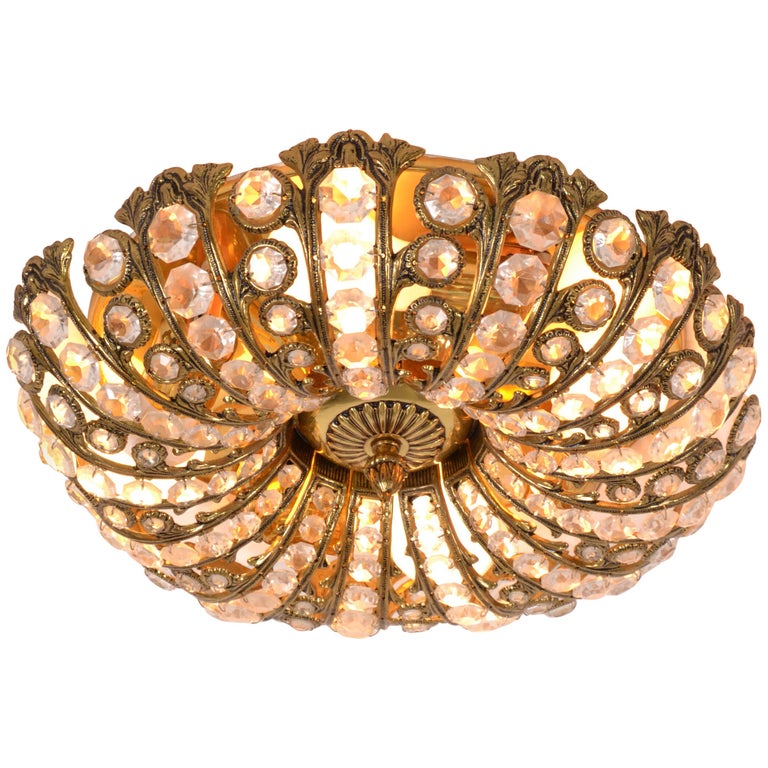
Louis Poulsen’s designs focus on functionality and aesthetics. His flush mount fixtures often feature materials like glass and metal, showcasing clean lines and soft illumination—a hallmark of mid-century modern style.
Materials and Finishes
Mid-century modern flush ceiling lights are often crafted from a variety of materials, each contributing to the overall aesthetic. Here are some commonly used materials:
- Metal: Brass, chrome, and aluminum finishes are popular, offering a sleek and polished look.
- Glass: Opal and frosted glass shades diffuse light beautifully, creating a warm ambiance.
- Wood: Wooden accents add warmth and texture, grounding the designs in nature.
- Plastic: Innovative materials like molded plastics allow for unique shapes and colors.
How to Choose Mid-Century Modern Flush Ceiling Lights for Your Space
Selecting the right flush ceiling light can transform a room, enhancing both its functionality and style. Here are some tips to consider:
1. Consider Room Size

The size of the room will dictate the scale of the lighting fixture. Larger spaces may require multiple fixtures or larger designs to ensure adequate illumination, while smaller rooms benefit from more compact options.
2. Match Your Style
Look for fixtures that complement your existing decor. If your space features a lot of wood, consider wooden or warm-toned metal finishes. For a more eclectic mix, opt for bold colors or unique shapes.
3. Focus on Functionality
Consider how the room will be used. In areas where tasks are performed, like kitchens or home offices, brighter and more focused lighting is essential. In contrast, softer lighting may be more appropriate for bedrooms or living areas.
4. Think About Placement
Think strategically about where to place your flush ceiling lights. Consider areas with low ceilings or spots where a hanging fixture may be impractical. Entryways, hallways, and smaller rooms are ideal candidates for flush mounts.
Case Studies: Successful Implementations of Mid-Century Modern Lighting
To illustrate the impact of mid-century modern flush ceiling lights, let’s explore a couple of case studies that highlight successful implementations.
Case Study 1: The Eichler Homes

Joseph Eichler was a prominent architect who popularized mid-century modern homes in California during the 1950s. His designs often featured open floor plans and large windows, making the use of flush ceiling lights crucial. Many Eichler homes showcase original flush mounts that enhance the airy feel of the spaces while maintaining historical authenticity.
Case Study 2: The Case Study Houses
The Case Study Houses project, initiated by Arts & Architecture magazine, aimed to create affordable modern homes. Many of these houses incorporated flush ceiling lights to highlight the minimalist interiors while providing ample light without detracting from the architectural elements.
Statistics on Mid-Century Modern Popularity
The resurgence of mid-century modern design has been palpable in recent years. Here are some statistics that underscore its popularity:
- A survey by the American Institute of Architects (AIA) found that 74% of homeowners are interested in mid-century modern design elements.
- Online searches for mid-century modern lighting fixtures increased by 150% between 2019 and 2021, according to Google Trends.
- Real estate listings featuring mid-century modern homes have seen a 20% increase in value compared to similar homes not featuring this design style.
Mid-century modern flush ceiling lights are more than mere functional fixtures; they are iconic representations of a design era that continues to influence contemporary aesthetics. By understanding their historical context, key characteristics, and notable designs, homeowners and designers can appreciate the beauty and significance of these fixtures. Whether you’re looking to incorporate mid-century modern lighting into a new build or restore an existing space, these guidelines offer valuable insights to help you make informed choices. As this design style continues to thrive, the charm and elegance of mid-century modern flush ceiling lights will undoubtedly shine on, illuminating homes for generations to come.