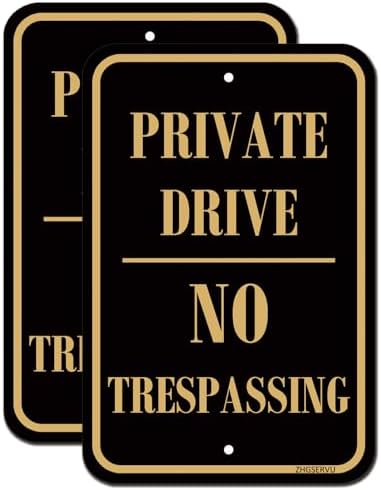
In the intricate tapestry of urban and suburban life, the concept of “neighborhood identity” is a powerful yet often elusive force. It’s the intangible feeling that binds residents, the shared sense of belonging, and the collective understanding of what makes a particular area unique. While community events, local businesses, and shared architectural styles contribute significantly, an often-overlooked element plays a crucial role in shaping and reinforcing this identity: private street signs.
The Genesis of Neighborhood Identity: Beyond the Street Name
Historically, street names themselves have served as foundational markers of identity. They can evoke historical figures, geographical features, or even aspirational ideals. However, as communities evolve and demographics shift, a simple street name can lose its resonance. This is where the subtle yet significant influence of private street signs comes into play. These are not the ubiquitous, government-issued signs that guide us through traffic, but rather the personalized markers that adorn private roads, gated communities, and even shared driveways.
From Public Pronouncements to Private Declarations
The transition from public to private street demarcation reflects a broader societal trend towards increased enclosure and the desire for distinct community branding. As planned communities and private developments gained prominence, so did the need for visual cues that differentiated them from their surroundings. These signs became more than just navigational aids; they became heralds of exclusivity, community spirit, and a carefully curated sense of place.
The Multifaceted Functions of Private Street Signs
Private street signs serve a surprising array of functions, extending far beyond their basic informational purpose. They are architects of perception, facilitators of security, and emblems of community pride.
1. Establishing Boundaries and Defining Belonging
Perhaps the most immediate function of a private street sign is to clearly delineate the transition from public thoroughfare to a private domain. This visual demarcation immediately communicates a sense of separation and belonging to those who reside within. Consider gated communities like “The Meadows” or “Oakwood Estates.” The signs at their entrances serve as a psychological threshold, signaling that you are entering a defined community with its own rules and residents.
- Physical Barrier Reinforcement: In conjunction with physical barriers like gates or fences, private street signs create a cohesive defensive perimeter.
- Psychological Exclusivity: The presence of such signs can foster a sense of belonging for residents, making them feel part of a distinct and protected group.
- Visitor Information: They provide crucial initial information for visitors, guiding them to the correct entry point and setting expectations.
2. Cultivating a Unique Neighborhood Identity and Brand
Beyond mere physical boundaries, private street signs are powerful tools for establishing and reinforcing a specific neighborhood identity. Developers often use these signs to imbue a new community with a particular character or theme.
Case Study: The “Heritage Hills” Development
Imagine a development named “Heritage Hills.” The private street signs might be crafted from ornate wrought iron, featuring a stylized crest that evokes a sense of historical charm. The street names themselves could be drawn from local history or the natural landscape – “Founder’s Lane,” “Willow Creek Drive,” “Eagle’s Nest Road.” This deliberate design choice communicates a narrative and imbues the community with a distinct brand, differentiating it from generic subdivisions.
Statistics from urban planning surveys often highlight the importance of visual cues in resident satisfaction. A study by the National Association of Home Builders found that aesthetic appeal, including landscaping and signage, significantly impacts perceived neighborhood quality.
- Thematic Cohesion: Signs designed to match the architectural style or historical aspirations of a neighborhood create a unified aesthetic.
- Narrative Construction: Street names and sign designs can tell a story, enriching the local identity and fostering a sense of place.
- Marketing and Differentiation: For developers, these signs are an integral part of the community’s marketing, attracting residents who resonate with the established identity.
3. Enhancing Security and Safety
While not their primary purpose, private street signs contribute to the overall security of a neighborhood. They provide clear identification for emergency services and discourage unauthorized access.
Example: “Secure Shores” Private Community
In a community like “Secure Shores,” which might have limited public access points, the prominent display of “Private Road” or “Resident Access Only” signs on their street markers serves as a deterrent to casual trespassers. Furthermore, emergency responders rely on these clearly marked private streets to efficiently locate properties during critical situations. The absence of such signs in complex or unmarked private areas can lead to significant delays and frustration.
According to the US Department of Justice, effective community signage can play a role in crime prevention by making it easier to identify unauthorized presence.
4. Fostering Community Pride and Ownership
When residents have a hand in the design or selection of their street signs, or when these signs clearly reflect the unique character of their community, it can foster a palpable sense of pride and ownership. This can manifest in various ways, from residents taking better care of common areas to a stronger sense of neighborly engagement.
Statistical Insight: A survey conducted by a large community association management company revealed that residents in communities with well-maintained and distinct signage reported higher levels of satisfaction and engagement compared to those in less defined areas.
- Shared Aesthetics: A cohesive and attractive signage system can become a point of collective pride.
- Sense of Investment: When residents feel their community is well-represented visually, they are more likely to feel invested in its well-being.
- Community Branding: Unique signs can become symbols that residents identify with and proudly share with others.
The Design and Materiality of Neighborhood Identity
The very nature of private street signs – their materials, fonts, colors, and overall design – is crucial in their ability to shape neighborhood identity. A sleek, modern metal sign will convey a different message than a rustic wooden one.
Material Choices Reflecting Character

- Wrought Iron: Often used in historic or upscale communities to convey elegance and tradition.
- Aluminum: Durable, cost-effective, and versatile, suitable for a wide range of styles.
- Wood: Can evoke a natural, rustic, or eco-friendly aesthetic, popular in rural or nature-oriented developments.
- Acrylic/Composite Materials: Offer modern design flexibility and weather resistance.
Font and Color Palettes: The Subtle Language of Design
The choice of font can dramatically alter the perception of a street. Serif fonts might suggest tradition and formality, while sans-serif fonts can convey modernity and simplicity. Color palettes are equally important, with earthy tones contributing to a natural feel and bolder colors creating a more vibrant atmosphere.
Challenges and Considerations in Private Street Signage
While the benefits are clear, the implementation and maintenance of private street signs are not without their challenges.
1. Maintenance and Durability

The responsibility for maintaining private street signs often falls to homeowner associations (HOAs) or private property owners. Ensuring their longevity against weather, vandalism, and general wear and tear requires ongoing investment and proactive management.
2. Consistency and Clarity
In larger private developments with multiple streets, maintaining consistency in signage design and placement is vital for both aesthetic appeal and navigational clarity. Inconsistent or poorly placed signs can detract from the intended neighborhood identity and cause confusion.
3. Community Input and Aesthetics
Decisions regarding private street signage can sometimes become points of contention within a community. Balancing the developer’s initial vision with the preferences of existing residents requires careful consideration and often involves community consultation processes.
The Enduring Significance of Private Street Signs

In the grand narrative of urban and suburban landscapes, private street signs, though often overlooked, are far more than mere markers of location. They are subtle but potent architects of neighborhood identity, weaving together elements of exclusivity, security, aesthetics, and community spirit. From establishing clear boundaries to cultivating a unique brand and fostering a sense of pride, these unsung heroes of the streetscape play an indispensable role in shaping how residents perceive their homes and communities. As urban development continues to evolve, the thoughtful design, implementation, and maintenance of private street signs will remain a crucial factor in creating places where people not only live but also truly belong.