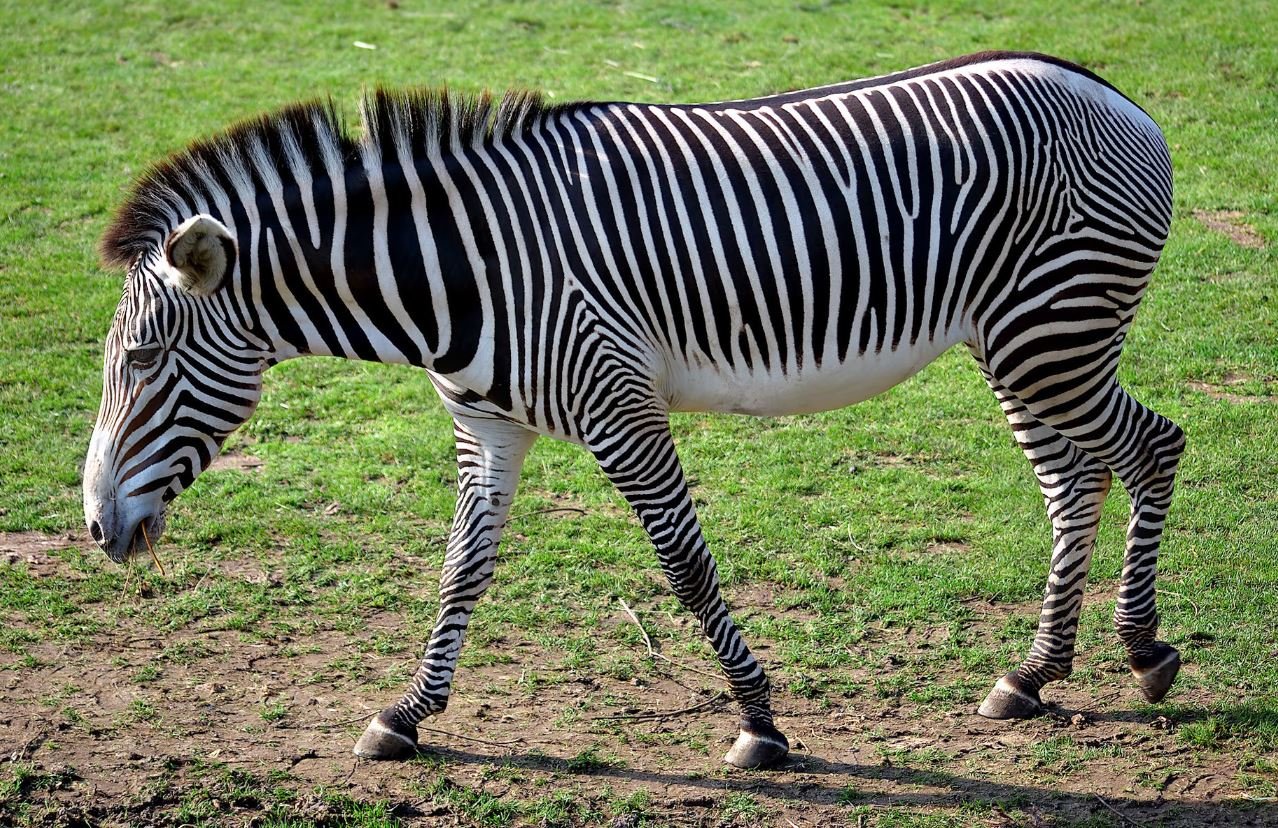
The iconic black and white stripes of the zebra have long captivated the human imagination. More than just a biological marvel, this distinctive pattern has permeated art, fashion, and design, serving as a fertile ground for creative expression. This article delves into the fascinating interplay between zebra patterns and creative coloring techniques, exploring how artists and designers harness this natural motif to evoke emotion, convey meaning, and push the boundaries of visual language. We will journey through the diverse ways in which the simple concept of stripes can be transformed through intentional coloring, examining the psychology behind color choices, the historical context of zebra motifs, and practical approaches to achieving unique and impactful results.
The Genesis of the Stripe: Biological Inspiration and Artistic Interpretation
Before we explore creative coloring, it’s crucial to understand the origin of the zebra’s distinctive markings. While the exact evolutionary purpose of zebra stripes remains a subject of scientific debate, theories range from camouflage and predator deterrence to thermoregulation and insect repellent. This inherent functionality, however, has not limited the pattern’s artistic appeal. Humans have always been drawn to patterns in nature, and the zebra’s bold, high-contrast design offers an immediate visual impact.
From ancient cave paintings to contemporary digital art, the zebra motif has been adopted and adapted. Early interpretations often focused on the stark contrast of black and white, emphasizing the graphic quality of the stripes. However, as artistic techniques and material palettes expanded, so did the possibilities for coloring zebra patterns. This evolution marks a transition from literal representation to symbolic and abstract expression.
Beyond Black and White: The Psychology and Impact of Colored Zebra Patterns
The power of color is undeniable in shaping our perceptions and emotional responses. When applied to a familiar pattern like the zebra’s, color choices can radically alter its meaning and impact. What was once a symbol of the African savanna can become a vehicle for conveying a wide spectrum of emotions and ideas.
Color Palettes and Emotional Resonance
- Vibrant and Energetic: Using bright, saturated colors like electric blues, fiery reds, and neon greens can imbue zebra patterns with a sense of dynamism and excitement. This palette is often employed in fashion and graphic design to create eye-catching and energetic visuals. Think of bold, abstract prints that utilize zebra stripes as a base, conveying a feeling of movement and vibrancy.
- Muted and Sophisticated: Employing softer, more desaturated tones such as pastels, earth tones, or monochromatic variations (shades of grey, sepia) can lend a sense of elegance, calmness, or nostalgia to zebra patterns. This approach is frequently seen in interior design and fine art, where a more subtle and sophisticated aesthetic is desired. A muted gold and cream zebra print can evoke a sense of vintage luxury.
- Contrasting and Provocative: Juxtaposing unexpected color combinations, such as neon pink and lime green or deep purple and burnt orange, can create a visually striking and even provocative effect. This approach challenges traditional perceptions of the zebra and can be used to convey a sense of rebellion, avant-garde style, or an unconventional perspective.
- Symbolic Color Choices: Artists may also utilize colors with inherent symbolic meanings. For example, using blues and greens could evoke nature and tranquility, while reds and oranges might signify passion or danger. A zebra pattern rendered in cool blues and greens might be used to represent an abstract landscape or a sense of peace.
The impact of these color choices is not merely aesthetic. Studies in color psychology demonstrate how different hues can influence mood, attention, and even physiological responses. A bold, red zebra pattern might subconsciously trigger feelings of urgency or excitement, while a cool blue one could promote a sense of calm. This understanding allows artists to consciously manipulate the viewer’s experience through their coloring choices.
Case Study: Fashion’s Fascination with Zebra Stripes
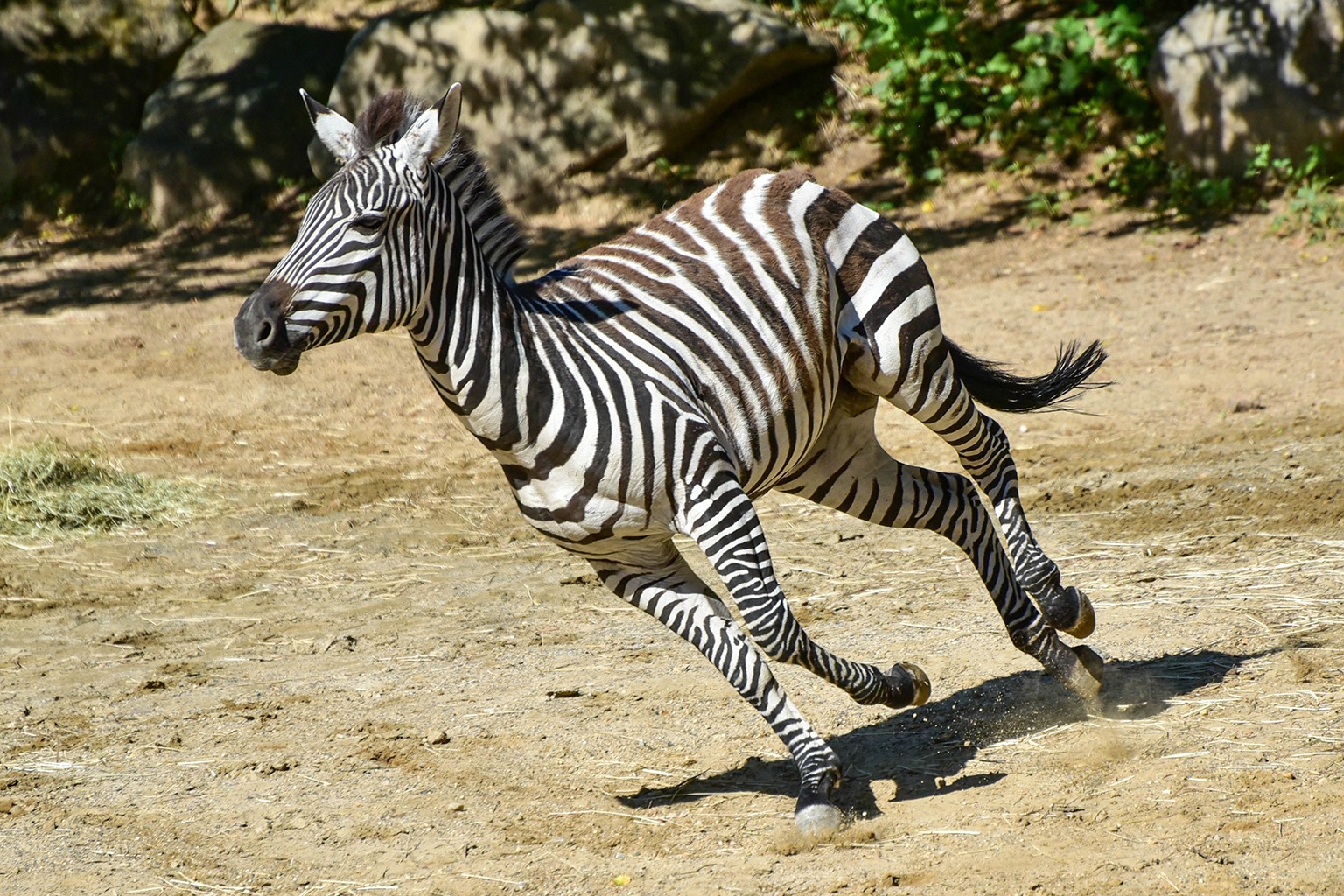
The fashion industry has a long-standing love affair with zebra patterns, and color has been a key element in their reinvention. While classic black and white remain popular, designers have continuously experimented with alternative colorations to make the motif feel fresh and contemporary.
- Yves Saint Laurent’s iconic “Mondrian” dress, while not strictly a zebra print, demonstrated the power of bold, geometric color blocking in a similar high-contrast fashion context. This paved the way for more abstract interpretations of animal prints.
- Postmodern designers of the 1980s and 90s embraced vibrant, unnatural colorways for zebra prints, often featuring neon hues and metallic finishes. This reflected the era’s maximalist and expressive aesthetic.
- Contemporary designers continue to explore colored zebra patterns. We see them rendered in soft pastels for a romantic feel, in monochromatic shades for understated elegance, or in bold, clashing colors for a statement-making piece. For instance, a brand might release a collection featuring zebra-striped scarves in shades of blush pink, mint green, and baby blue, offering a whimsical and feminine take on the classic pattern.
These examples highlight how color acts as a transformative agent, taking a familiar pattern and recontextualizing it for a specific aesthetic and emotional impact. The “zebra” element becomes a flexible framework for exploring a diverse range of visual languages.
Creative Coloring Techniques for Zebra Patterns
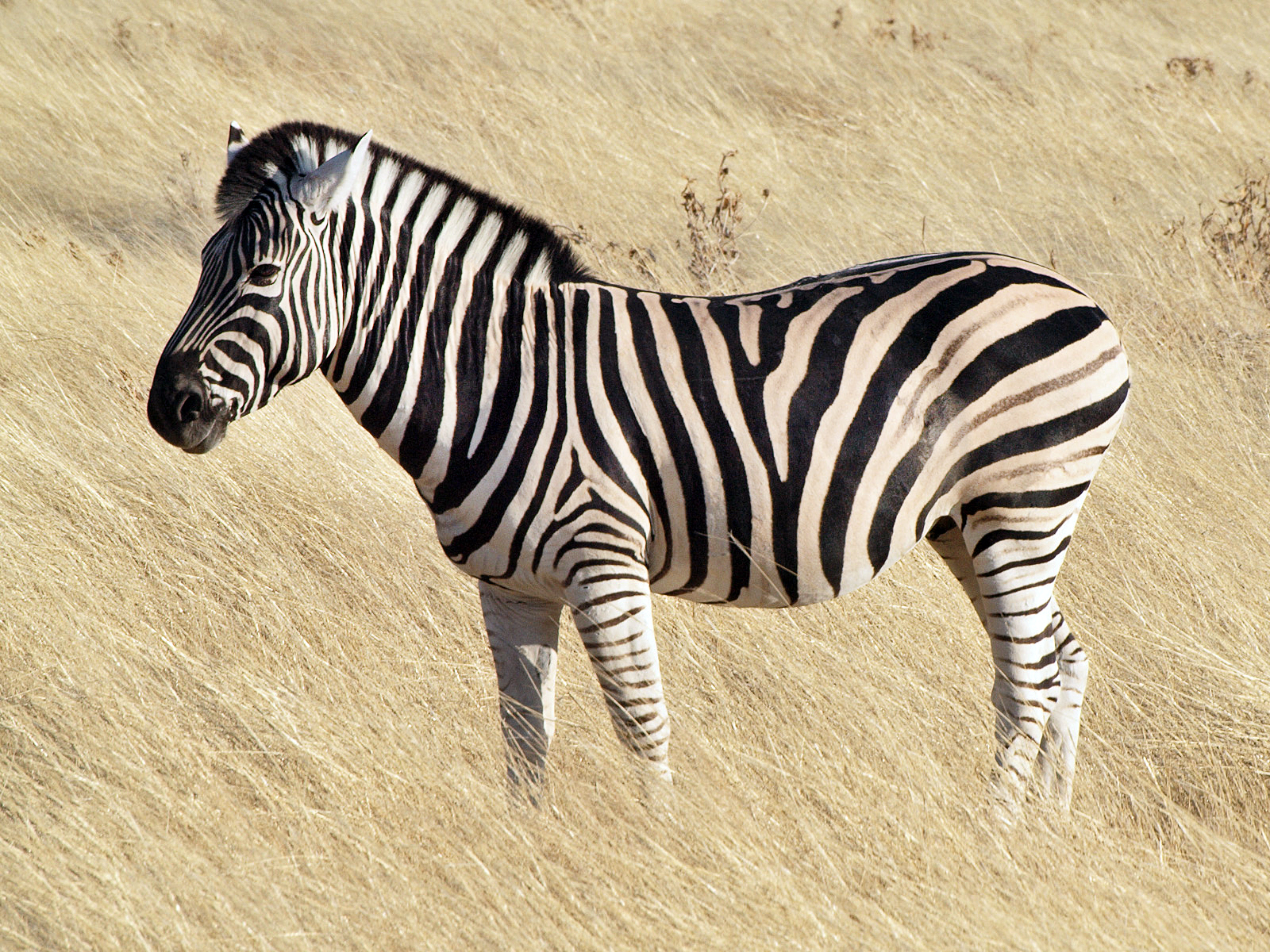
The application of color to zebra patterns is as varied as the imagination itself. Beyond simply filling in stripes with solid hues, artists employ a range of techniques to add depth, texture, and unique visual interest.
1. Gradient and Ombre Effects
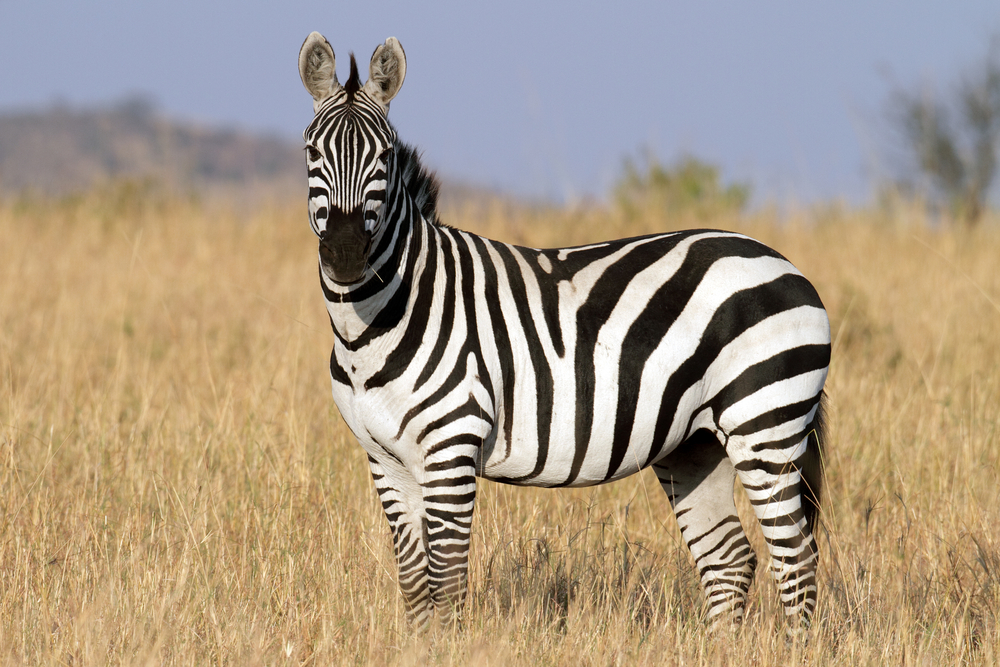
Instead of sharp transitions between colors, gradients allow for a smooth blend from one hue to another within the stripes or across the entire pattern. This can create a luminous and ethereal effect.
- Within a single stripe: A black stripe could fade into a deep purple, or a white stripe could transition into a pale yellow.
- Across multiple stripes: A series of stripes could show a gradual shift from blue to green, creating a watery or sky-like effect.
Ombre techniques, where colors transition horizontally or vertically across the entire design, can also be applied to zebra patterns, offering a sophisticated and modern interpretation. Imagine a wall mural with zebra stripes that subtly shift from a sunset orange to a twilight purple.
2. Textured Color Application
Adding texture to the color itself can elevate a simple stripe. This can be achieved through various artistic mediums and digital tools.
- Impasto painting: Thick, visible brushstrokes in vibrant colors can give zebra stripes a tactile, almost sculptural quality.
- Watercolor washes: Layered watercolor can create translucent and bleeding effects within the stripes, offering a soft, organic feel.
- Digital brushes and textures: In digital art, artists can use brushes that mimic natural materials like wood grain, stone, or fabric, applying these textures within the colored stripes for added realism or abstract interest.
For example, a designer might create a digital pattern where the “black” stripes are rendered with a distressed leather texture in a deep burgundy, while the “white” stripes have a subtle brushed metal effect in a coppery hue.
3. Pattern Within Pattern: Sub-Stripes and Infill
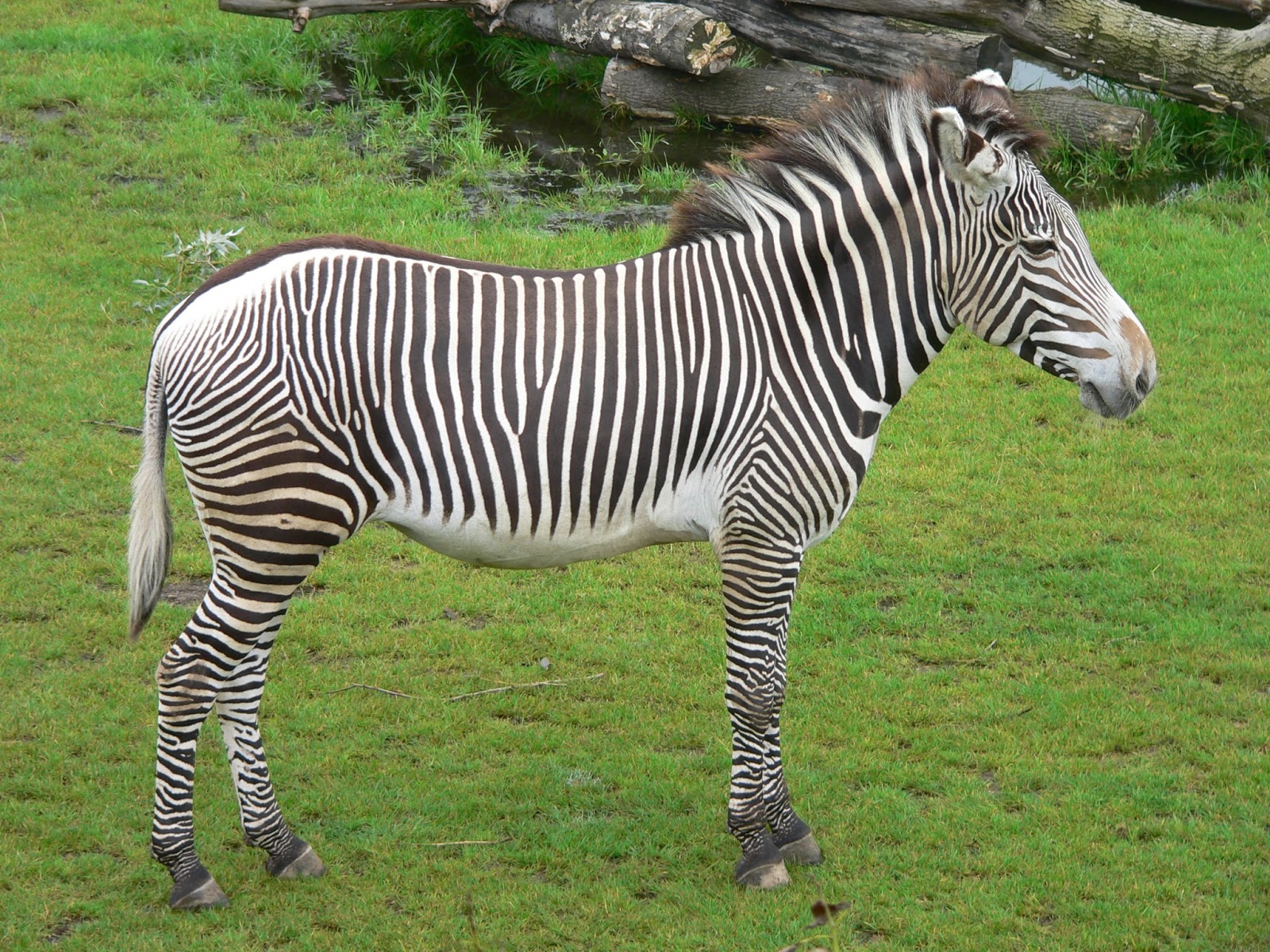
This technique involves introducing secondary patterns or textures within the primary zebra stripes. This adds complexity and visual depth.
- Geometric infills: Small polka dots, chevrons, or even miniature floral motifs could be placed within the colored zebra stripes.
- Abstract linework: Fine, intricate lines in contrasting colors could be overlaid onto the main stripes, creating a sense of intricate detail.
- Textual elements: Words, phrases, or even abstract symbols could be subtly integrated into the colored stripes, adding a narrative or conceptual layer.
Consider a fashion print where the broad black zebra stripes are filled with a repeating pattern of tiny gold stars, while the white stripes are left solid, creating a playful yet sophisticated contrast.
4. Monochromatic and Duotone Explorations
While the classic zebra is black and white, artists can explore the expressive potential of monochromatic schemes or limited duotone palettes.
- Shades of a single color: A zebra pattern rendered entirely in varying shades of blue, from navy to sky blue, can create a calming and sophisticated effect, evoking water or sky.
- Two complementary or analogous colors: Using only two colors that are close on the color wheel (analogous) or opposite (complementary) can create a harmonious or visually exciting result. A red and orange zebra pattern, for instance, would be highly energetic.
This deliberate restriction of color can force a greater focus on form and the interplay of light and shadow, leading to surprisingly impactful results.
Digital Art and the Algorithmic Zebra
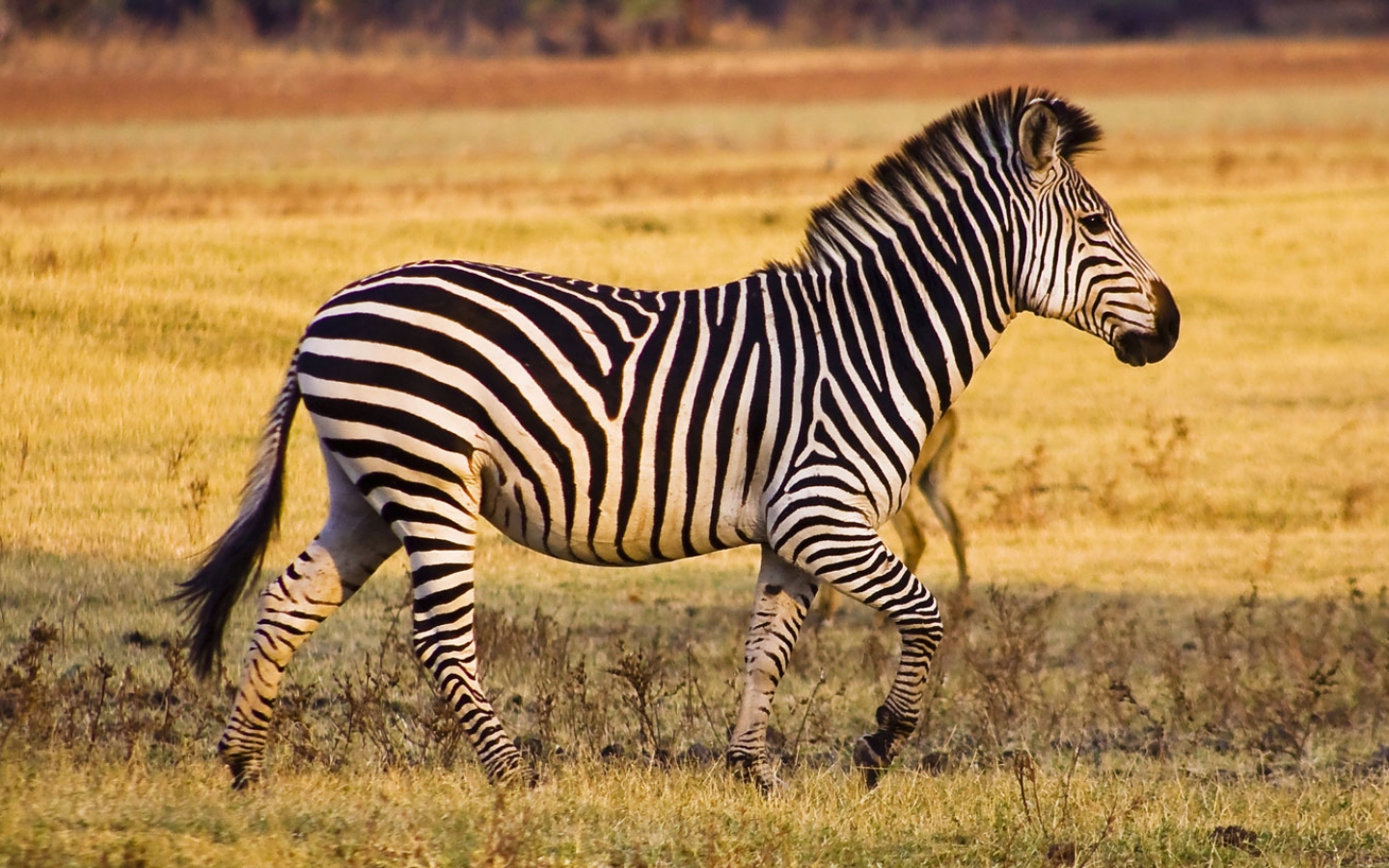
The advent of digital art has opened up new frontiers for creative expression with zebra patterns. Software allows for infinite experimentation with color, texture, and layering.
- Parametric design: Algorithms can be used to generate complex and evolving zebra patterns, with colors responding dynamically to various parameters. This can lead to truly unique and unexpected visual outcomes.
- Generative art: Artists can create systems that generate endless variations of colored zebra patterns, each with its own distinct aesthetic.
- Interactive installations: In digital art installations, zebra patterns can be programmed to change color and form in response to viewer interaction, creating an immersive and dynamic experience.
The ability to manipulate and generate patterns with precision and speed in the digital realm allows for an unprecedented level of exploration and customization. A digital artist could create a generative animation of a zebra where its stripes shift through a spectrum of colors based on real-time weather data, offering a unique fusion of art and information.
The Enduring Allure of the Striped Canvas
The zebra pattern, in its seemingly simple black and white form, provides an incredibly versatile canvas for creative expression. Through the strategic and imaginative application of coloring techniques, artists and designers can transform this iconic motif into a powerful tool for conveying emotion, telling stories, and pushing aesthetic boundaries. From the subtle elegance of muted tones to the vibrant energy of bold contrasts, the kaleidoscope of colors applied to zebra stripes offers a testament to the enduring power of pattern and the boundless potential of human creativity. Whether in fashion, fine art, or digital design, the colored zebra continues to captivate, inspire, and provoke, reminding us that even the most familiar forms can be reimagined into something entirely new and extraordinary.