
Casement windows are a popular choice in modern architecture due to their ability to provide excellent ventilation and unobstructed views. However, choosing the right blinds for these windows can be a daunting task. With a variety of styles, materials, and functionalities available, it’s essential to understand the options and factors to consider. This comprehensive guide will equip you with the knowledge needed to select the perfect casement window blinds for your home.
Understanding Casement Windows
Before diving into the specifics of blinds, it’s crucial to understand what casement windows are. These windows are hinged on one side and open outward, allowing for maximum airflow and visibility. This unique design can present challenges when selecting window treatments, as the blinds must accommodate the window’s operation while providing the desired aesthetic and functionality.
Factors to Consider When Choosing Casement Window Blinds
When selecting blinds for casement windows, several factors come into play. Here are the key considerations:
- Window Operation: Since casement windows open outward, it’s essential to choose blinds that do not obstruct the window’s movement. Some designs, such as roller blinds, may require additional hardware for safe operation.
- Material: The material of the blinds affects both aesthetics and functionality. Common materials include fabric, wood, faux wood, and aluminum. Each has its benefits and drawbacks.
- Light Control: Different types of blinds offer varying levels of light control. Consider whether you want sheer, blackout, or light-filtering options.
- Privacy Needs: Depending on your home’s location, privacy may be a significant factor. Choose materials and styles that offer the right balance of privacy and light.
- Style and Aesthetics: Blinds can significantly affect the overall look of a room. Select a style that complements your interior design.
- Energy Efficiency: Some blinds can help insulate your windows, making them energy-efficient. Look for options with thermal properties.
- Budget: Determine your budget beforehand. Blinds come in a wide range of prices, so it’s essential to find options that fit your financial plan.
Types of Blinds for Casement Windows
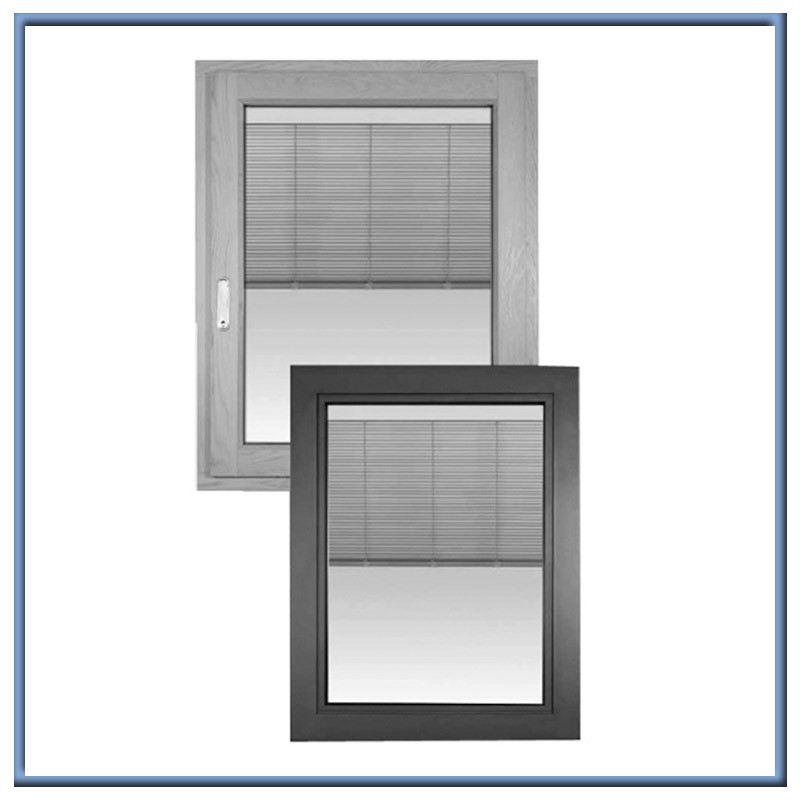
There are several types of blinds to consider for casement windows, each with its unique characteristics and advantages. Here’s a closer look:
1. Roller Blinds

Roller blinds are a popular choice for casement windows due to their sleek design and ease of use. They can be mounted inside or outside the window frame and rolled up or down as needed. Here are some advantages:
- Minimal obstruction when opening windows.
- Available in various fabrics, colors, and patterns.
- Easy to clean and maintain.
2. Roman Blinds
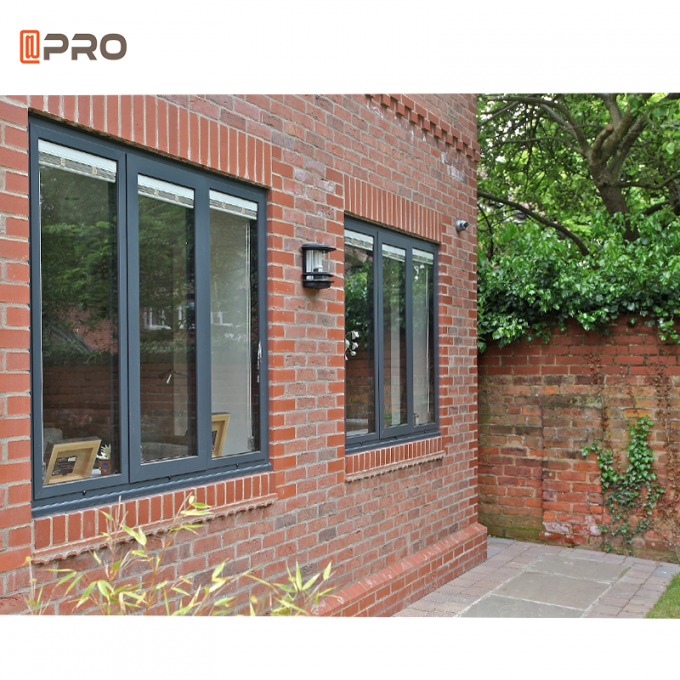
Roman blinds add a touch of elegance to any room. They fold neatly when raised, providing a clean look. However, they require more clearance than roller blinds. Consider the following:
- Soft fabric options can enhance interior design.
- Available in blackout or light-filtering materials.
- May need to be adjusted manually, which can be cumbersome for large windows.
3. Vertical Blinds
Vertical blinds are an excellent option for larger casement windows or sliding doors. They allow for easy operation and can be drawn to one side. Benefits include:
- Versatile in terms of light control and privacy.
- Easy to clean.
- Available in a wide range of materials.
4. Plantation Shutters
For a more permanent and stylish solution, plantation shutters can be installed on casement windows. Although more expensive, they offer long-term benefits:
- Excellent light control and insulation.
- Durable and low maintenance.
- Adds value to your home.
Measuring for Casement Window Blinds
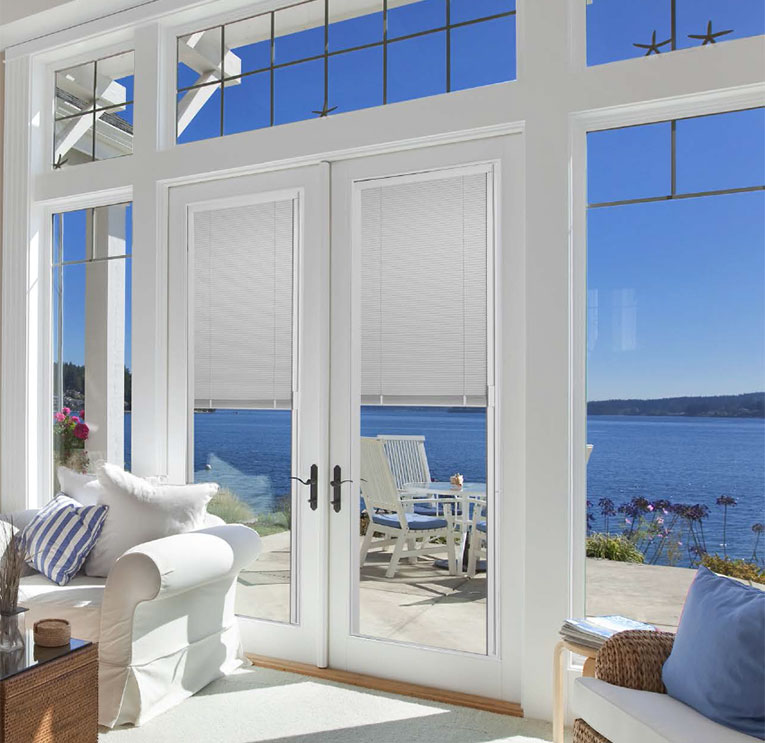
Accurate measurements are crucial for ensuring your blinds fit correctly. Here’s how to measure your casement windows:
- Measure the Width: Measure the width of the window frame at three different points: the top, middle, and bottom. Use the smallest measurement.
- Measure the Height: Measure the height of the window from the top of the frame to the sill at three points: the left, middle, and right. Again, use the smallest measurement.
- Consider Mounting Options: Decide whether you will mount the blinds inside the frame (inside mount) or outside the frame (outside mount), as this will affect your measurements.
Installation Tips
Installing window blinds can be a straightforward process if you follow these tips:
- Read the manufacturer’s instructions carefully before beginning the installation.
- Gather all necessary tools, including a drill, level, and measuring tape.
- If you’re unsure, consider hiring a professional installer to ensure a perfect fit.
- Check for any obstructions, such as window handles, that might interfere with the blinds’ operation.
Case Studies: Successful Blind Installations
Let’s look at two case studies that highlight successful installations of casement window blinds:
Case Study 1: Modern Home with Roller Blinds
A contemporary home in a suburban area featured large casement windows in the living room. The homeowner opted for blackout roller blinds in a light gray fabric. The installation allowed for complete darkness during movie nights while retaining the ability to open the windows fully. The minimalistic design complemented the modern aesthetic of the home.
Case Study 2: Historic Home with Plantation Shutters

In a historic home, the owners chose plantation shutters for their casement windows. Not only did they enhance the home’s character, but they also provided excellent insulation. The shutters were custom-made to fit the unique window shapes, ensuring a perfect fit that preserved the home’s architectural integrity.
Choosing the right blinds for casement windows is a vital decision that impacts both functionality and aesthetics. By understanding the factors to consider, the various types of blinds available, and how to measure and install them correctly, you can make an informed choice that enhances your home’s beauty and comfort. Whether you opt for roller blinds for their simplicity or plantation shutters for their elegance, the right selection will provide you with the perfect balance of light control, privacy, and style.
In summary, remember to assess your needs regarding window operation, material, light control, privacy, and budget. With careful consideration and the information provided in this guide, you’ll be well on your way to selecting the ideal casement window blinds that suit your home perfectly.