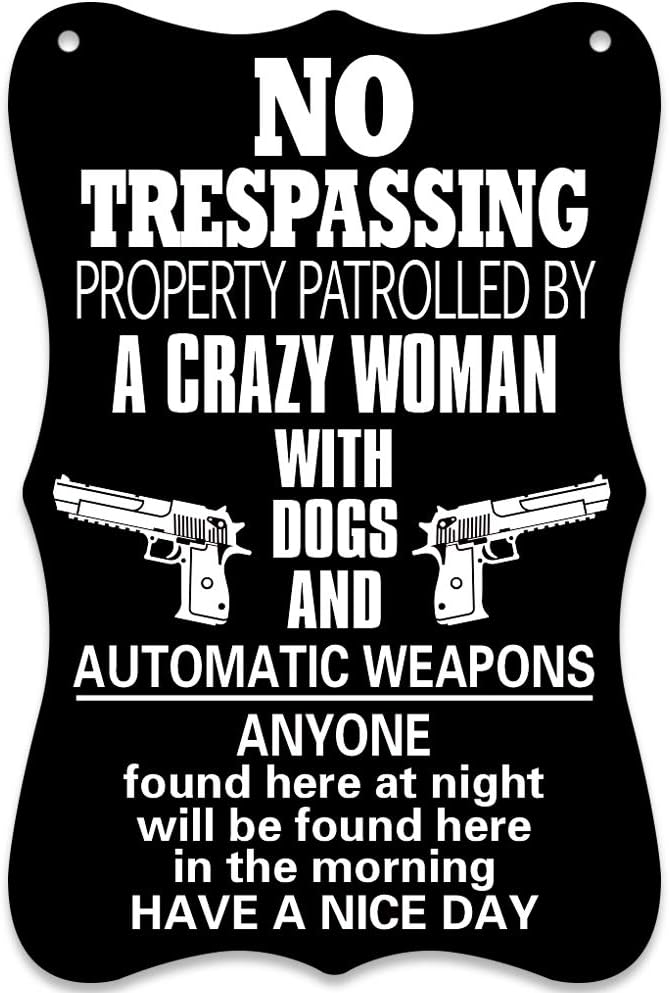
The allure of a private street is undeniable for many homeowners. It conjures images of exclusivity, enhanced security, and a tranquil living environment. Often, the visible representation of this exclusivity comes in the form of private street signs – those imposing markers that declare “Private Property,” “No Trespassing,” or “Private Road.” While these signs appear to be a simple assertion of ownership, their presence, placement, and wording carry significant legal weight. Homeowners who live on or are responsible for private streets must navigate a complex landscape of regulations, potential liabilities, and neighborhood agreements. This article delves into the legal implications of private street signs, offering homeowners a comprehensive understanding of their rights, responsibilities, and potential pitfalls.
Understanding the Legal Framework: More Than Just a Sign
At its core, a private street sign is a legal declaration. It signals an intention to restrict public access and assert private ownership of the roadway. However, the effectiveness and legality of these signs are not uniform and depend heavily on several factors, including:
- Local Ordinances: Municipalities and counties often have specific regulations governing the placement, design, and enforcement of private street signage. These ordinances can dictate font sizes, required disclaimers, and even the process for designating a street as private.
- Deeds and Covenants: The legal establishment of a private street is typically rooted in the property deeds and homeowners association (HOA) covenants, conditions, and restrictions (CC&Rs) that govern a neighborhood. These documents will define ownership, maintenance responsibilities, and access rights.
- State Laws: State laws can influence how private property rights are interpreted and enforced, including the implications of signage related to access and liability.
Failing to comply with these underlying legal frameworks can render private street signs ineffective and, in some cases, expose homeowners or associations to legal challenges.
The Power and Perils of “No Trespassing” Signs
The “No Trespassing” sign is perhaps the most commonly understood directive for restricting access. However, its legal efficacy on private streets requires careful consideration:
Establishing Trespass: The Burden of Proof
While a “No Trespassing” sign clearly communicates intent, proving trespass can sometimes be challenging for the property owner. To successfully pursue legal action for trespass, homeowners or associations often need to demonstrate that:
- The individual entered the property without permission.
- The individual was aware, or should have been aware, that entry was prohibited. The “No Trespassing” sign serves as a crucial piece of evidence for this awareness.
- The individual’s presence caused harm or annoyance.
In areas with high traffic or where the private street is heavily utilized by non-residents (e.g., for shortcuts), enforcing “No Trespassing” can become a logistical and legal hurdle. A well-placed, clearly visible sign is essential, but it may not be a foolproof deterrent against determined individuals.
Implied Dedication: The Public’s Right to Access

A significant legal pitfall for private streets is the concept of “implied dedication.” This occurs when a property owner, by their actions or inactions, leads the public to believe that a private road is actually a public thoroughfare. If the public has been using the private street openly, continuously, and without objection for a statutory period (which varies by state), they may acquire legal rights to use that road, effectively turning it into a de facto public street, regardless of any private signage.
Example: Imagine a private road leading to a cluster of homes. For years, local residents have used this road as a convenient shortcut to the main highway. If the homeowners on this road have never actively deterred this use and have not maintained clear signage indicating its private nature, a court might rule that the road has been “impliedly dedicated” to public use. This can nullify the homeowners’ ability to restrict access through private signage.
“Private Road” vs. “Private Property”: Nuances Matter
The distinction between “Private Road” and “Private Property” signs, while seemingly minor, can have significant legal implications:
“Private Road”: Defining Access Rights
“Private Road” signs typically indicate that the roadway itself is privately owned and maintained. They generally imply that:
- Only residents and their authorized guests have the right to use the road.
- The maintenance and repair of the road are the responsibility of the private owners (often an HOA or individual homeowners).
- Public access is restricted.
These signs are crucial for establishing the private nature of the thoroughfare and for managing who bears the cost of its upkeep. They can also be instrumental in limiting liability for accidents occurring on the road.
“Private Property”: Broader Restrictions

“Private Property” signs are more encompassing and suggest that the entire parcel of land, including the roadway and any adjacent areas, is privately owned and access is generally prohibited without permission. This can be a stronger statement of exclusion but may also lead to confusion if the intent is solely to control road access.
Case Study: In a situation where a private community had a mix of “Private Road” and “Private Property” signs, disputes arose over the use of the road for recreational purposes by non-residents. The “Private Property” signs, when interpreted broadly, could be seen as prohibiting even passive use, while “Private Road” signs might be interpreted as allowing passage for legitimate purposes, such as visiting residents, even if not explicitly invited.
Liability on Private Streets: Who Pays When Things Go Wrong?
One of the most critical legal implications of private street signs revolves around liability. When an accident occurs on a private street, determining who is responsible can be a complex legal battle.
The Role of Maintenance and Signage
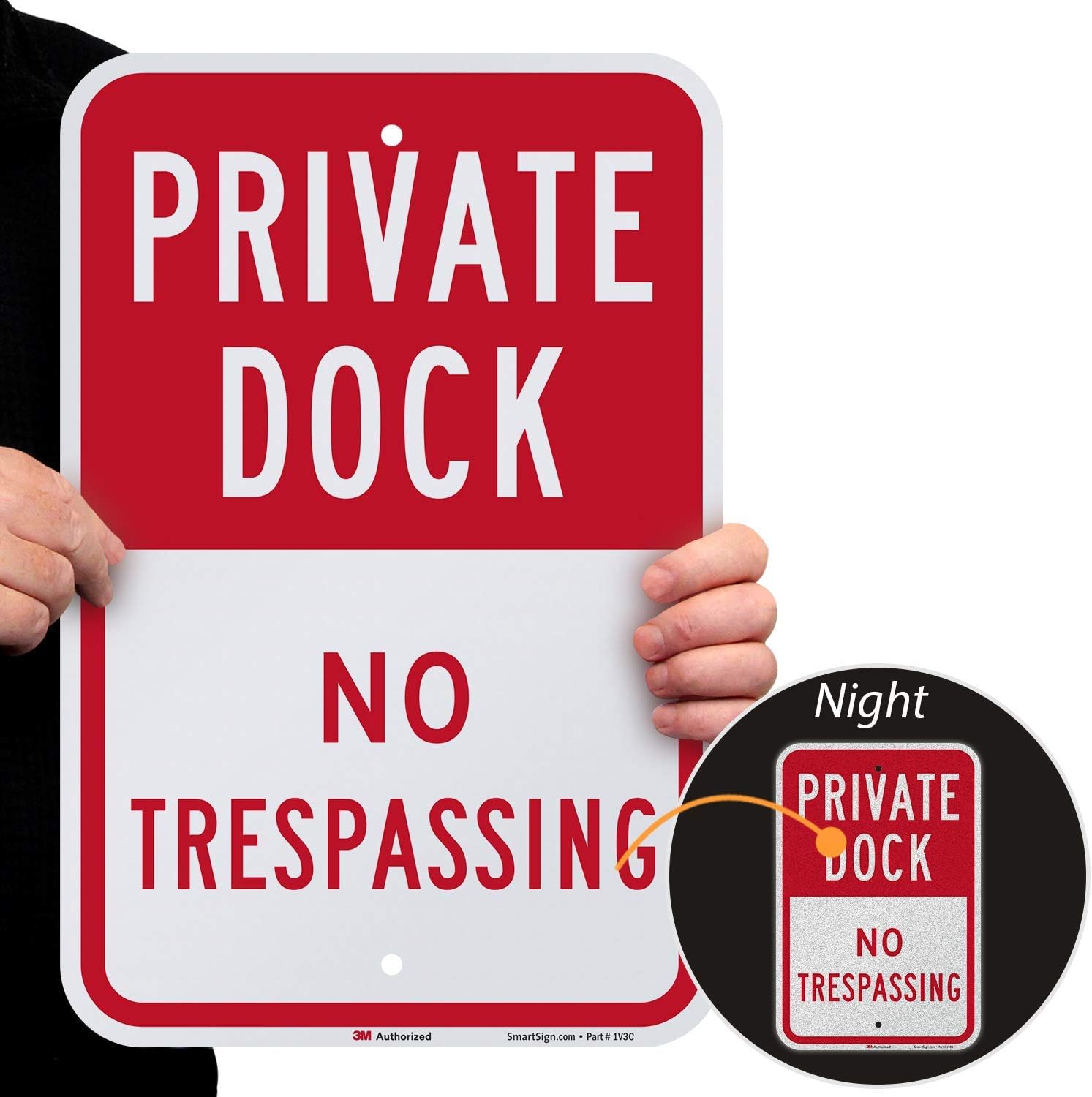
Homeowners or associations responsible for maintaining a private street have a duty of care to ensure it is reasonably safe for its intended users. This includes:
- Regular maintenance to address potholes, cracks, and other hazards.
- Proper drainage to prevent ice buildup in winter.
- Adequate lighting, if applicable.
- Clear and visible signage to warn of any known dangers.
Failure to meet this duty of care can lead to liability if an accident occurs as a direct result of negligence. The presence and clarity of private street signs play a crucial role in this determination. For instance, if a sign clearly warns of a sharp curve or a speed limit, it can help to establish that drivers were put on notice of potential hazards. Conversely, poorly maintained signs or a lack of signage can weaken the homeowner’s or association’s defense.
“Attractive Nuisance” Doctrine
In some jurisdictions, the “attractive nuisance” doctrine can apply. This legal principle holds property owners liable for injuries sustained by children who trespass on their property if the property contains a dangerous condition that is likely to attract children. While typically associated with swimming pools or abandoned structures, it could potentially extend to features on private streets that might be perceived as inviting or interesting to children, such as unusual landscaping or play equipment adjacent to the roadway.
Insurance Considerations
Homeowners residing on private streets, or associations governing them, need to ensure they have adequate insurance coverage. This may include:
- Specific endorsements on homeowner policies to cover liability related to private road maintenance.
- General liability insurance for HOAs, which typically covers incidents occurring on common areas, including private roads.
It is crucial to consult with an insurance professional to understand the scope of coverage and any potential gaps related to private street ownership and maintenance.
Enforcing Private Road Access: Navigating the Legal Minefield
Enforcing restrictions on private roads can be challenging and requires a measured legal approach.
Trespass vs. Civil Dispute
When unauthorized individuals use a private road, homeowners or associations have several options, but each carries its own legal complexities:
- Verbal Warning: A polite request to leave can be effective but offers little legal recourse if ignored.
- Written Warning: A formal letter from an attorney can carry more weight.
- Calling Law Enforcement: This is generally reserved for situations involving criminal trespass or other illegal activities. It is important to understand local police department policies on enforcing private road access, as they may consider it a civil matter.
- Legal Action: In persistent cases of trespass or nuisance, legal action for injunctions or damages may be necessary.
It is vital to avoid confrontational or aggressive tactics, as these can backfire and lead to accusations of harassment or assault, potentially shifting liability onto the homeowner or association.
The Importance of HOA Enforcement
In communities with HOAs, the association typically takes the lead in establishing and enforcing private road policies. This includes:
- Clearly outlining in CC&Rs the rights and responsibilities related to private roads.
- Developing a consistent policy for addressing unauthorized use.
- Working with legal counsel to ensure enforcement actions are legally sound.
A proactive and well-defined enforcement strategy is key to maintaining the integrity and exclusivity of a private street.
Best Practices for Private Street Signage and Management
To mitigate legal risks and effectively manage private streets, homeowners and associations should adhere to the following best practices:
- Consult Local Ordinances: Before installing any signs, thoroughly research and understand local municipal and county regulations regarding private street signage.
- Review Deeds and CC&Rs: Ensure that the legal right to designate and manage the street as private is clearly established in property documents.
- Use Clear and Unambiguous Language: Employ signs that are easily understood, such as “Private Road – Resident Access Only” or “No Trespassing – Private Property.”
- Ensure Visibility: Place signs in prominent locations where they are clearly visible to approaching traffic, day and night. Consider reflective materials and appropriate mounting heights.
- Maintain Signs: Regularly inspect signs for damage, fading, or obstruction. Replace damaged or illegible signs promptly.
- Establish a Clear Maintenance Plan: Outline who is responsible for road maintenance and establish a budget and schedule for repairs.
- Document Everything: Keep records of all signage, maintenance activities, and any incidents of unauthorized use or enforcement actions.
- Seek Legal Counsel: When in doubt about any aspect of private street signage, enforcement, or liability, consult with a qualified attorney specializing in real estate law or property disputes.
- Foster Community Communication: Regularly communicate with residents about the importance of private road rules and the legal implications of their use.
Navigating the Private Road with Legal Foresight

Private street signs are more than just decorative markers; they are legal instruments that signify ownership, restrict access, and define responsibilities. Homeowners living on or responsible for private streets must understand that the seemingly simple act of posting a sign opens the door to a complex web of legal considerations. From ensuring compliance with local ordinances and establishing clear property rights to understanding liability and implementing effective enforcement strategies, navigating the legal implications of private street signs requires diligence and foresight. By adhering to best practices, seeking expert advice when needed, and maintaining open communication within the community, homeowners can effectively manage their private streets, preserve their intended benefits, and avoid costly legal entanglements.