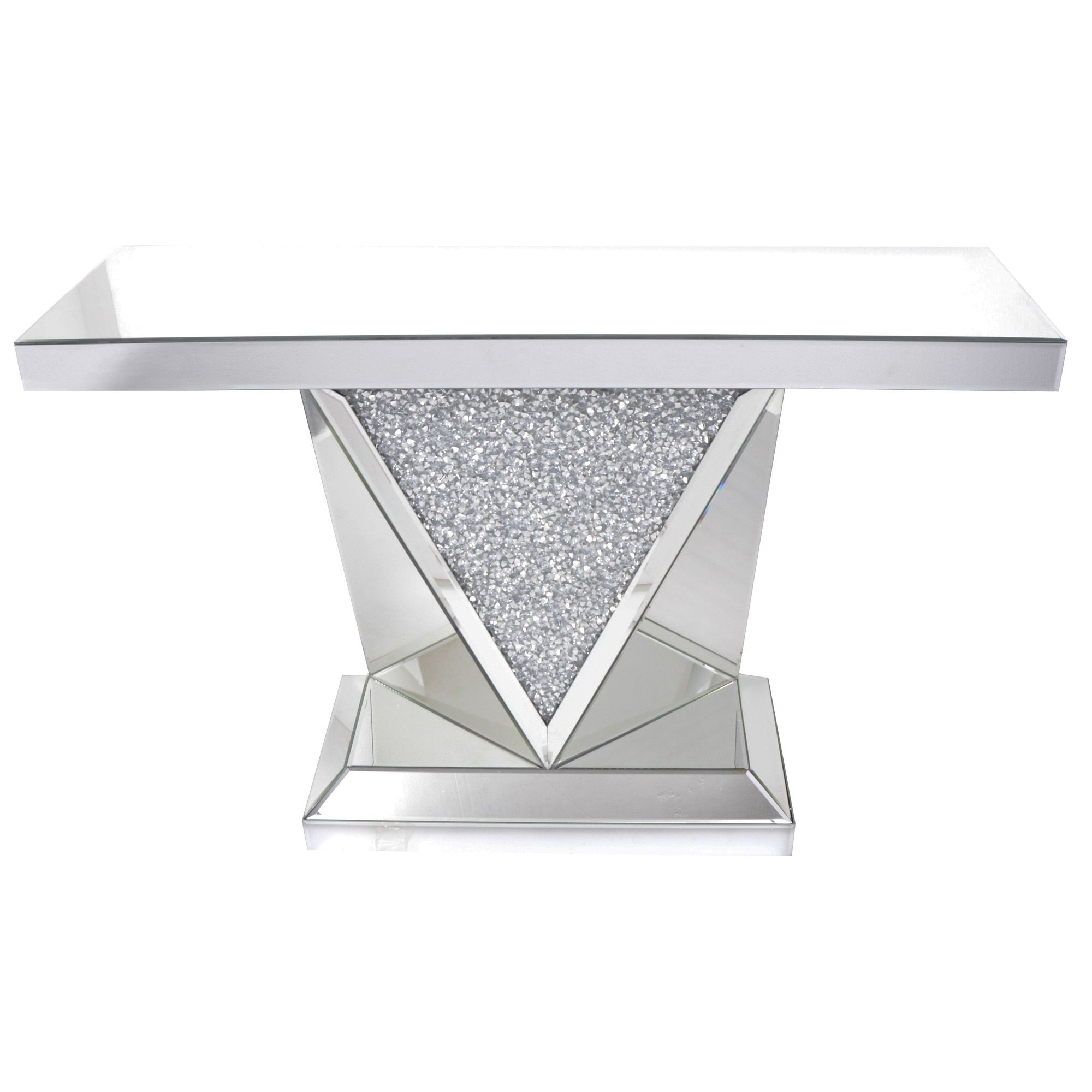
When it comes to home decor, the triangle console table stands out as a unique and functional piece of furniture. Its geometrical shape allows for versatile placement in various spaces, making it a popular choice among homeowners and interior designers alike. However, one of the most critical decisions you’ll face when designing or purchasing a triangle console table is selecting the right materials. The material you choose not only affects the table’s aesthetic appeal but also its durability, maintenance, and overall functionality. This article will guide you through the essential considerations for choosing the right materials for your triangle console table.
Understanding the Importance of Material Selection
The material of your triangle console table will greatly influence both its functionality and style. Here are some reasons why material selection is crucial:
- Durability: Different materials have varying levels of strength and longevity, affecting how well your table withstands daily use.
- Maintenance: Some materials require more upkeep than others, influencing your choice based on how much time you are willing to invest in care.
- Aesthetics: The right material can enhance your interior design theme, while the wrong one can clash with your decor.
- Cost: The price of materials varies widely, which can impact your overall budget for the project.
Popular Materials for Triangle Console Tables
When selecting materials for your triangle console table, here are some of the most popular options, along with their pros and cons:
1. Wood
Wood is a classic choice for furniture due to its natural beauty and versatility.
- Types: Solid hardwoods (like oak, maple, and walnut), plywood, and engineered wood.
- Pros:
- Timeless aesthetic appeal.
- Durable and long-lasting when properly maintained.
- Can be stained or painted to match any decor.
- Cons:
- Can be expensive, especially for solid hardwoods.
- Susceptible to scratches and water damage.
2. Metal
Metal provides a modern and industrial look, making it a popular choice for contemporary interiors.
- Types: Steel, aluminum, wrought iron, and brass.
- Pros:
- Highly durable and resistant to wear.
- Easy to clean and maintain.
- Offers a sleek, modern aesthetic.
- Cons:
- Can be heavy, making moving difficult.
- May rust or corrode if not properly treated.
3. Glass
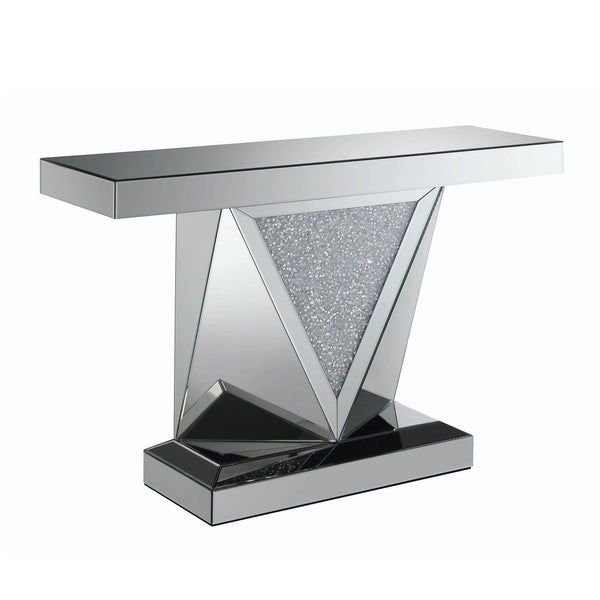
Glass is often used in combination with other materials to create an airy, open feel.
- Types: Tempered glass, frosted glass, and tinted glass.
- Pros:
- Visually light and can make a space feel larger.
- Easy to clean and maintain.
- Pairs well with other materials like wood or metal.
- Cons:
- Fragile and susceptible to breaking.
- Can show fingerprints and smudges easily.
4. Stone
Stone, such as marble or granite, adds a touch of luxury and elegance to any console table.
- Types: Marble, granite, slate, and quartz.
- Pros:
- Extremely durable and heat-resistant.
- Unique appearance with natural veining and patterns.
- Offers a high-end, sophisticated look.
- Cons:
- Heavy and difficult to move.
- Can be expensive and requires sealing to prevent stains.
Factors to Consider When Choosing Materials
Choosing the right material for your triangle console table goes beyond aesthetics; several factors should influence your decision:
1. Purpose and Functionality
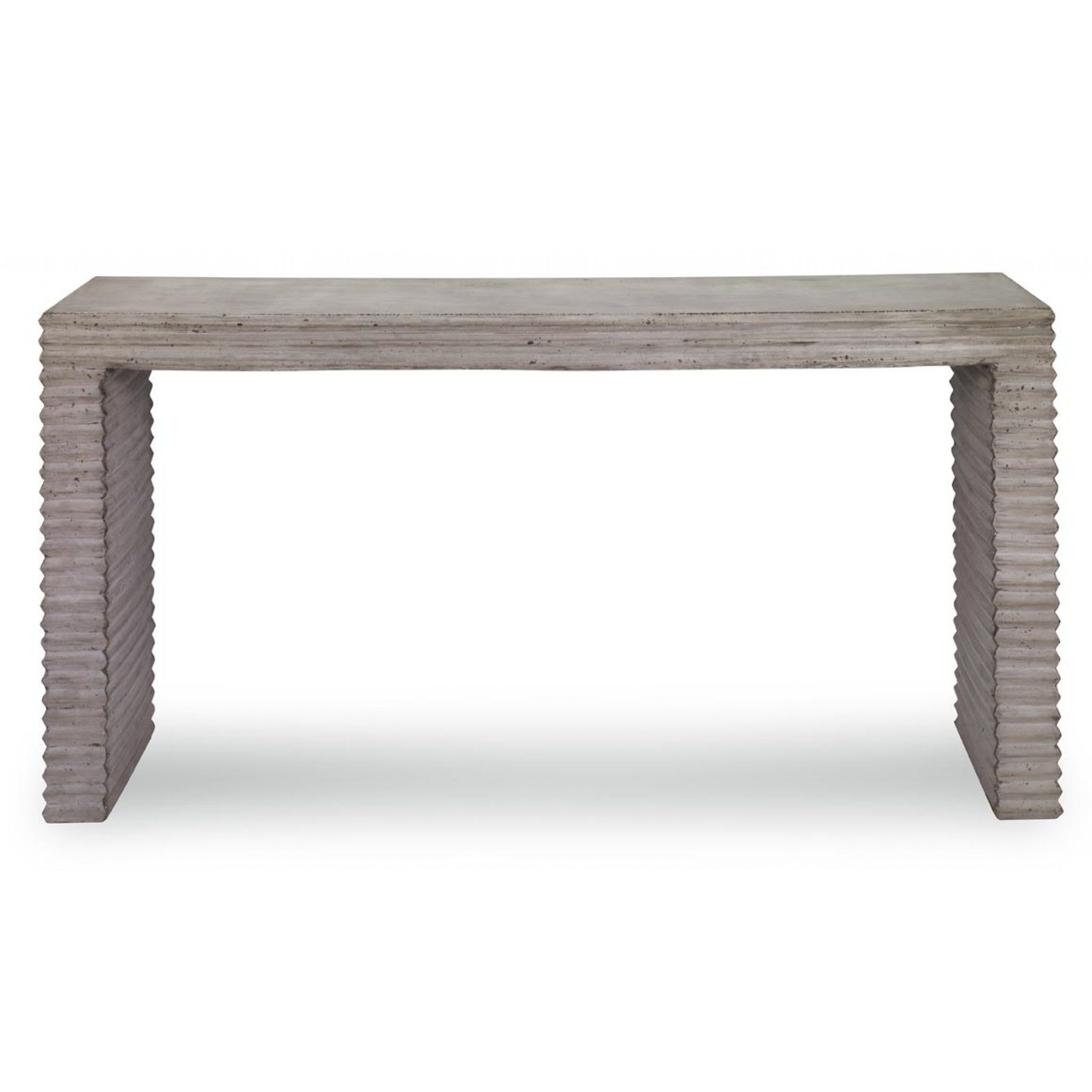
Consider how you plan to use your console table. Will it serve as a decorative piece, a place for keys and mail, or a display for photos and plants? Understanding the primary function will help dictate the best material choice.
2. Environmental Impact
With growing awareness of environmental issues, many homeowners seek sustainable materials. Look for options like reclaimed wood or eco-friendly finishes that minimize harmful emissions.
3. Interior Design Style

Your triangle console table should harmonize with your existing decor. Whether your style is rustic, modern, or eclectic, the material should complement other furnishings in your space.
4. Budget Constraints
Establishing a budget early on can help narrow down your material options. While luxurious materials may be tempting, it’s essential to find a balance between quality and affordability.
Case Studies: Successful Material Choices

Here are a couple of examples of successful triangle console table designs that demonstrate effective material choices:
Case Study 1: Modern Minimalism
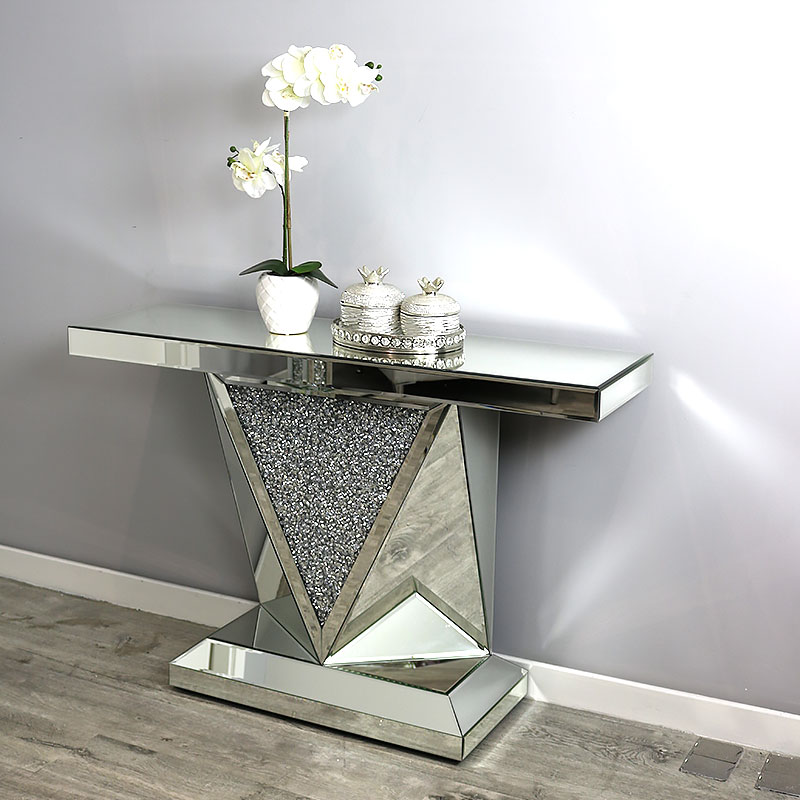
A homeowner in a downtown apartment opted for a triangle console table made of tempered glass and brushed steel. The combination provided a sleek, modern look that fit perfectly within their minimalist decor. The glass top made the space feel open, while the steel base added durability and a contemporary edge.
Case Study 2: Rustic Charm
A family living in a countryside home chose a triangle console table made of reclaimed barn wood. This choice not only provided a sturdy surface but also added character and warmth to their entryway. The natural imperfections in the wood complemented their rustic decor, while being eco-friendly aligned with their values.
Choosing the right materials for your triangle console table is crucial in achieving both functionality and aesthetic appeal. By understanding the various material options available—wood, metal, glass, and stone—and considering factors such as purpose, environmental impact, style, and budget, you can make an informed decision that enhances your living space. Whether you lean towards modern minimalism or rustic charm, the right material will ensure your triangle console table becomes a standout feature in your home. Remember to weigh the pros and cons of each material and consider real-life examples to guide your selection process. Happy decorating!