
Upholstered back benches are a beautiful addition to any home or commercial space, providing comfort and style. However, like any piece of furniture, they require regular care and maintenance to ensure their longevity. This article will guide you through the essential steps for caring for your upholstered back bench, ensuring it remains a centerpiece in your space for years to come.
Understanding Your Upholstered Back Bench
Before diving into maintenance tips, it’s crucial to understand the materials that make up your upholstered back bench. Typically, these benches have a wooden frame, padding (foam or down), and a fabric cover (like cotton, linen, or synthetic materials). Knowing the specific materials will help you choose the best cleaning and maintenance methods.
Regular Cleaning: The First Step in Maintenance
Regular cleaning is essential to maintain the appearance and integrity of your upholstered back bench. Dust, dirt, and allergens can accumulate over time, affecting both aesthetics and health.
1. Vacuuming

Vacuuming your bench should be a part of your weekly cleaning routine. Use an upholstery attachment to gently remove dust and debris without damaging the fabric.
- Frequency: Once a week.
- Technique: Use a low suction setting and go over all surfaces, including the crevices and seams.
2. Spot Cleaning
For spills and stains, act quickly to prevent permanent damage. Always consult the care label on your upholstery for specific cleaning instructions, but here are some general tips:
- Blot, don’t rub: Blot the stain gently with a clean, dry cloth to absorb as much liquid as possible.
- Use mild cleaners: A mixture of warm water and a few drops of dish soap can be effective for most stains.
- Test first: Always test your cleaning solution on a hidden area to ensure it doesn’t damage the fabric.
Deep Cleaning: A Seasonal Necessity
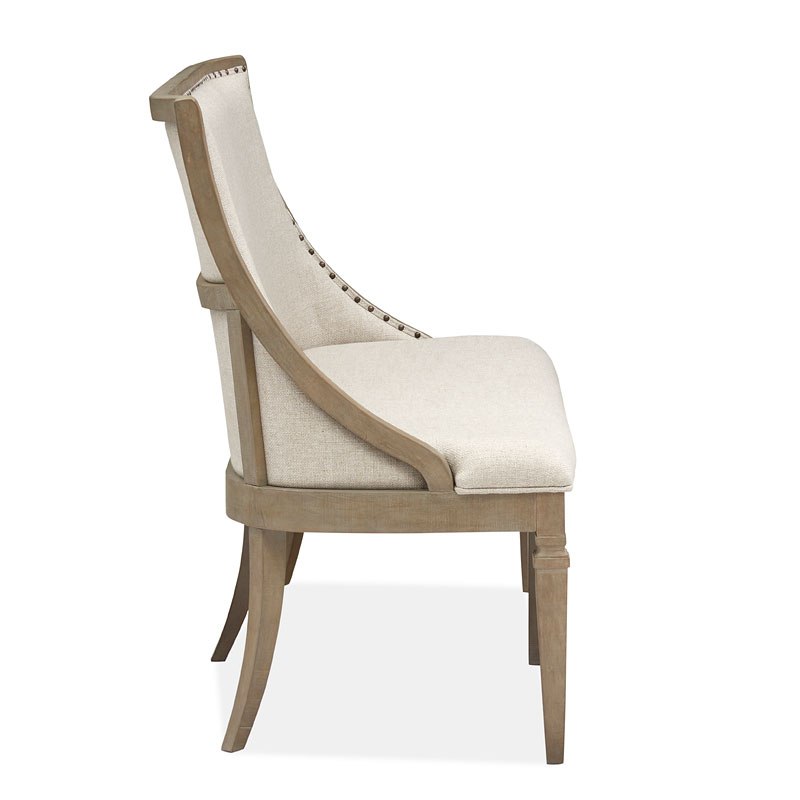
In addition to regular cleaning, deep cleaning your upholstered back bench should be done at least once a year. This process can help remove embedded dirt and allergens.
1. Steam Cleaning
Steam cleaning is an effective way to deep clean upholstery without using harsh chemicals. It sanitizes the fabric and removes stubborn stains. You can rent a steam cleaner or hire a professional service.
- Benefits: Kills bacteria and dust mites, and revives fabric color and texture.
- Frequency: Once or twice a year, depending on use.
2. Professional Cleaning Services
If your bench is heavily soiled or made from delicate fabrics, consider hiring a professional upholstery cleaning service. They have the expertise and equipment to handle challenging stains and materials.
Protecting Your Upholstered Back Bench
Prevention is often the best form of maintenance. Here are some strategies to protect your upholstered back bench from damage.
1. Use Fabric Protectors
Applying a fabric protector can create a barrier against spills and stains. Look for products specifically designed for upholstery and follow the manufacturer’s instructions for application.
- Types: Spray-on protectors or pre-treated fabrics.
- Reapplication: Check the label for how often to reapply, usually every 6-12 months.
2. Avoid Direct Sunlight

Prolonged exposure to sunlight can fade colors and weaken fabric fibers. Position your bench away from direct sunlight or use window treatments to shield it.
- Types of Treatments: Curtains, blinds, or UV-filtering window films.
- Rotate Placement: If possible, rotate the bench periodically to ensure even exposure to light.
Addressing Wear and Tear

Even with careful maintenance, upholstery can suffer from wear and tear. Here are some strategies to address common issues.
1. Repairing Minor Tears
For small tears, you can use fabric glue or a needle and thread to make repairs. Ensure the fabric is clean and dry before attempting a repair.
- Fabric Glue: Suitable for minor tears or fraying edges.
- Hand Stitching: Best for larger tears; choose thread that matches the fabric color.
2. Reupholstering
If your bench has suffered significant damage or is outdated in style, consider reupholstering. This can give your bench a fresh look and extend its lifespan.
- Choosing Fabric: Select durable, high-quality fabrics that suit your style and usage needs.
- DIY vs. Professional: Evaluate whether you have the skills for a DIY project or need to hire a professional upholsterer.
Case Studies: Successful Bench Maintenance

To illustrate the importance of proper care, let’s look at a couple of examples:
Case Study 1: The Family Home
The Johnson family purchased an upholstered back bench for their entryway. Initially, they neglected regular cleaning, and after two years, the fabric looked worn and faded. After implementing a weekly vacuuming and seasonal deep cleaning routine, the bench’s appearance improved dramatically. They also started using a fabric protector, which helped reduce stains from muddy shoes.
Case Study 2: The Café
At a local café, the owner opted for upholstered benches to enhance the customer experience. Understanding the high traffic, they invested in professional cleaning services every six months and applied a fabric protector immediately. As a result, the benches maintained their vibrant look, attracting more customers and receiving positive feedback on comfort.
Caring for and maintaining your upholstered back bench is essential to ensure its longevity and aesthetic appeal. By incorporating regular cleaning, deep cleaning, protective measures, and timely repairs, you can keep your bench looking new for years to come. Whether you have a family home or a commercial space, understanding the materials and applying preventive care will not only enhance the lifespan of your furniture but also improve your overall environment. Remember, a well-maintained upholstered back bench is not just a piece of furniture; it’s a vital part of your living experience.