
The humble car radio has come a long way. What once consisted of AM/FM dials and a handful of buttons has evolved into sophisticated touchscreen infotainment systems, transforming our vehicles into connected hubs of communication, entertainment, and navigation. For many, the car radio is as crucial as the engine itself, dictating the mood of commutes, road trips, and daily errands. However, with a dizzying array of options available, choosing the “best” car radio touchscreen can feel like navigating a complex technological maze. This comprehensive guide will equip you with the knowledge and insights to make an informed decision, ensuring your next in-car upgrade enhances your driving experience rather than detracting from it.
Understanding Your Needs: The Foundation of Smart Selection
Before diving into specific features and brands, it’s paramount to understand your personal needs and priorities. What do you primarily use your car radio for? Are you an audiophile seeking superior sound quality, a tech enthusiast craving the latest connectivity features, a frequent traveler relying on precise navigation, or simply someone who wants to stream music and make hands-free calls?
Key Questions to Ask Yourself:

- Budget: How much are you willing to spend? Car radio touchscreens range from a few hundred dollars to well over a thousand, with price often correlating with features and build quality.
- Primary Usage: What are the top 2-3 functions you expect from your touchscreen? (e.g., GPS, music streaming, Bluetooth calling, backup camera integration).
- Vehicle Compatibility: Is your current vehicle designed for a specific size of aftermarket head unit (e.g., single-DIN or double-DIN)? Most modern vehicles have double-DIN bays, which accommodate larger touchscreens.
- Existing Features: Does your car already have steering wheel controls, a premium sound system, or other integrated electronics that you’d like to maintain compatibility with?
- Desired Operating System/Ecosystem: Are you deeply invested in Apple’s CarPlay or Google’s Android Auto, or do you prefer a proprietary system?
Decoding the Core Features: What Makes a Touchscreen Great?

Once you’ve established your priorities, it’s time to understand the key features that differentiate car radio touchscreens. These components significantly impact usability, functionality, and overall satisfaction.
1. Screen Size and Resolution: Visual Clarity is Key
The most prominent feature is, of course, the touchscreen itself. Screen size, typically measured in inches, dictates the amount of information displayed and the ease of interaction. Common sizes range from 6.2 inches to 9 inches or even larger in some premium models.
- Larger Screens (7+ inches): Offer a more immersive experience, making it easier to read maps, view album art, and interact with on-screen buttons. However, they might not fit in all dashboards and can be more expensive.
- Smaller Screens (6.2-6.8 inches): Are more universally compatible and budget-friendly, but can feel cramped for complex interfaces or detailed maps.
Resolution is equally important. A higher resolution (e.g., WVGA, HD) means sharper images, clearer text, and a more pleasant visual experience. Resist the temptation to solely focus on size; a smaller, high-resolution screen can often be superior to a larger, pixelated one.
2. User Interface (UI) and User Experience (UX): Intuitive Navigation
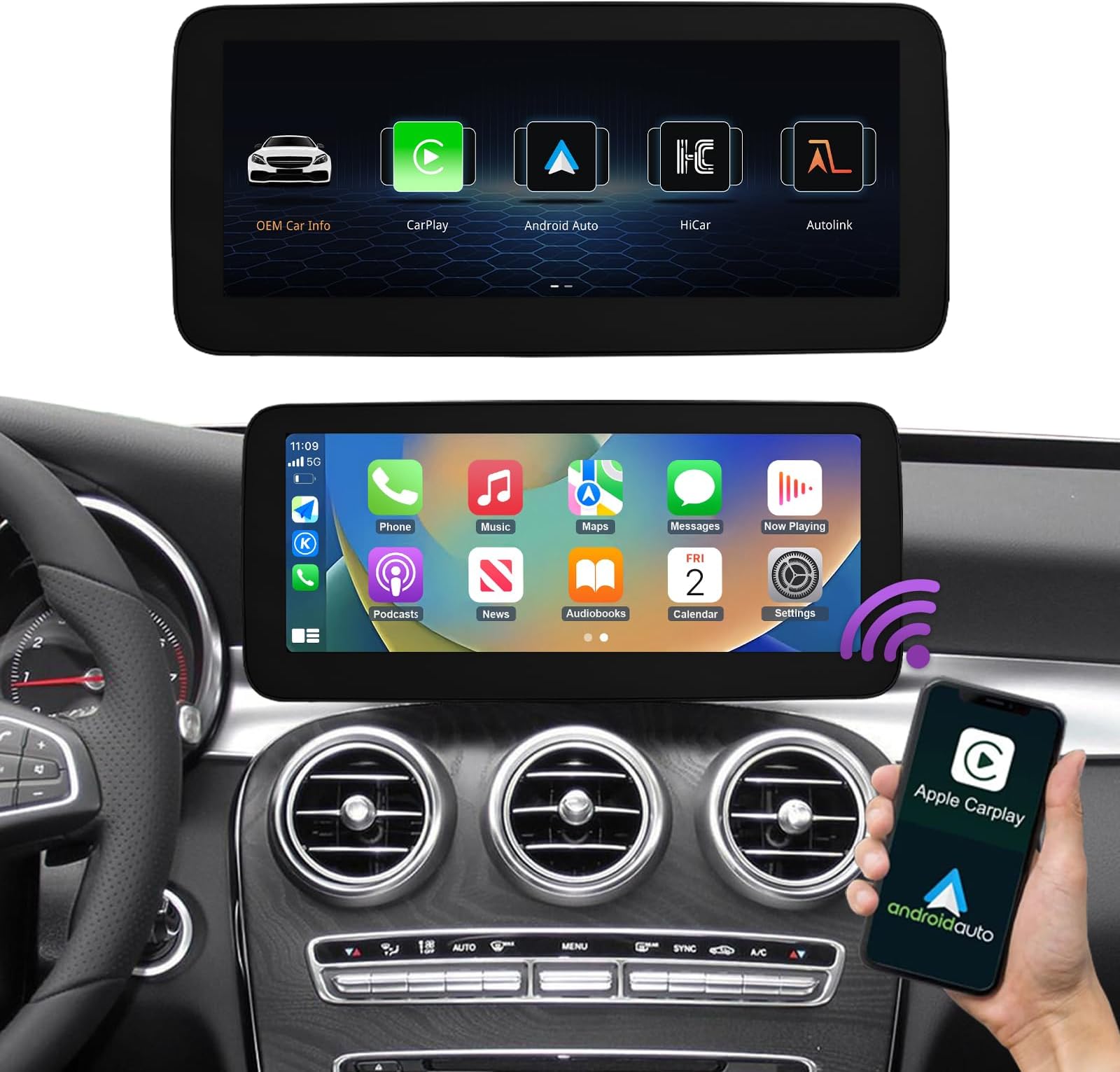
This is where the “best” truly becomes subjective. A clunky, unintuitive UI can turn even the most feature-rich system into a source of frustration. Look for systems with:
- Clean and Organized Menus: Features should be logically grouped and easily accessible.
- Responsive Touch Input: The screen should register your taps and swipes accurately and without lag. Capacitive touchscreens are generally more responsive than resistive ones.
- Customizable Options: The ability to personalize your home screen, arrange icons, and set preferred functions can greatly enhance the user experience.
- Day and Night Modes: Automatic or manual switching between display themes ensures optimal visibility in varying light conditions.
Case Study: Pioneer’s NEX (Networked Entertainment eXperience) series is often lauded for its intuitive UI, featuring large icons and a straightforward menu structure, making it easy for drivers to access essential functions without taking their eyes off the road for too long.
3. Smartphone Integration: The Modern Essential
This is arguably the most significant advancement in car audio technology. Seamless integration with your smartphone unlocks a world of possibilities.
- Apple CarPlay: Mimics your iPhone’s interface on the car’s screen, allowing you to access Apple Maps, Apple Music, messages, calls, and supported third-party apps through voice commands (Siri) or touch.
- Android Auto: Offers a similar experience for Android users, providing access to Google Maps, Spotify, WhatsApp, and other compatible apps via Google Assistant or touch.
Statistic: According to Statista, the adoption rate of both CarPlay and Android Auto has steadily increased, with millions of vehicles equipped with these systems globally. This trend highlights their growing importance to consumers.
When choosing, ensure the system you select supports your primary smartphone operating system. Wireless CarPlay and Android Auto are becoming increasingly common, offering the ultimate convenience by eliminating the need for a USB cable.
4. Navigation Capabilities: Finding Your Way with Ease
While smartphone integration often provides robust navigation through apps like Google Maps or Waze, some head units offer built-in GPS systems.
- Built-in Navigation: Can be advantageous for areas with poor cellular reception. These systems often come with pre-loaded maps and receive regular updates, sometimes for a fee.
- App-Based Navigation: Offers real-time traffic updates and a vast library of points of interest through your connected smartphone. This is often preferred by those who are already familiar with their favorite navigation apps.
Consider the frequency of your long trips and your reliance on constant connectivity when deciding between built-in or app-based navigation.
5. Audio and Video Playback: Beyond Basic Radio
Modern car stereos offer a wealth of options for audio and video playback.
- Connectivity: Look for Bluetooth for wireless audio streaming and hands-free calling, USB ports for playing music from drives or charging devices, and auxiliary inputs for older devices.
- Supported Formats: Ensure compatibility with your preferred audio and video file formats (MP3, FLAC, AAC, MP4, MKV, etc.).
- Sound Quality: While subjective, features like built-in amplifiers, EQ settings, and support for high-resolution audio codecs can make a difference for audiophiles.
- Screen Mirroring: Some units allow you to mirror your smartphone screen directly onto the car’s display, useful for showcasing photos or videos (though always use this feature responsibly and when parked).
6. Connectivity and Expansion: Future-Proofing Your System
Consider how your head unit connects to the rest of your car and potential future upgrades.
- Steering Wheel Control Compatibility: If your car has existing steering wheel controls, you’ll want a head unit that can retain their functionality, often requiring an aftermarket adapter.
- Backup Camera Input: A standard feature on many modern vehicles, adding a backup camera can significantly improve safety and parking convenience.
- External Amplifiers and Subwoofers: If you’re an audio enthusiast, ensure the head unit has pre-amp outputs for connecting external amplifiers.
- Wi-Fi and Bluetooth Versions: Newer versions offer faster speeds and more stable connections.
Top Brands and What They Offer: A Snapshot

The car radio market is dominated by a few key players, each with its strengths:
- Pioneer: Renowned for its robust features, excellent audio quality, and user-friendly interfaces, especially their NEX and AVH lines. They are strong proponents of both CarPlay and Android Auto.
- Kenwood: Offers a wide range of options, from budget-friendly to high-end, with a focus on user customization and advanced audio processing.
- JVC: Known for offering good value for money, with solid performance and a good selection of features at competitive price points.
- Sony: Delivers strong audio performance and often integrates well with other Sony products. Their touchscreens are generally responsive and visually appealing.
- Alpine: A premium brand often associated with high-fidelity sound and innovative features, though typically at a higher price point.
Example: The Pioneer AVH-W8800NEX is a popular choice for those seeking a premium experience, offering wireless CarPlay and Android Auto, a large capacitive touchscreen, and advanced audio features. On the more budget-friendly side, the JVC KW-M780BT provides a solid feature set including wired CarPlay and Android Auto, Bluetooth, and a responsive touchscreen without breaking the bank.
Installation: Professional vs. DIY
Choosing the right head unit is only half the battle. Installation is crucial for optimal performance and longevity.
- DIY Installation: Can save money and be a rewarding experience if you have the technical aptitude and the right tools. However, it can be complex, especially with modern vehicles that have integrated electronics. Online resources and YouTube tutorials can be invaluable.
- Professional Installation: Recommended for most users, especially if you want to ensure proper wiring, integration with existing vehicle systems (like steering wheel controls), and a clean, factory-like finish. Reputable car audio shops offer this service.
The cost of professional installation can range from $100 to $300 or more, depending on the complexity of the installation.
The Future of In-Car Touchscreens: What’s Next?

The evolution of car radio touchscreens is far from over. We’re seeing:
- Larger and More Integrated Displays: Moving beyond the traditional dashboard slot, we’re seeing larger, more immersive displays that blend seamlessly with the vehicle’s interior.
- Enhanced AI and Voice Control: More sophisticated voice assistants that can understand complex commands and perform a wider range of tasks.
- Advanced Connectivity: Increased reliance on 5G for faster data transfer, over-the-air updates, and real-time vehicle diagnostics.
- Personalization: Systems that learn your preferences and adapt to your driving habits, offering personalized music suggestions, route planning, and more.
Your Journey to the Perfect Touchscreen Starts Here
Choosing the best car radio touchscreen is a personal journey that begins with a clear understanding of your needs and priorities. By carefully considering screen size and resolution, user interface, smartphone integration, navigation, audio/video capabilities, and connectivity options, you can navigate the market with confidence. Research reputable brands, read reviews, and don’t hesitate to seek professional advice if needed. With the right touchscreen, your car will transform from a mode of transport into a truly connected and enjoyable mobile sanctuary.