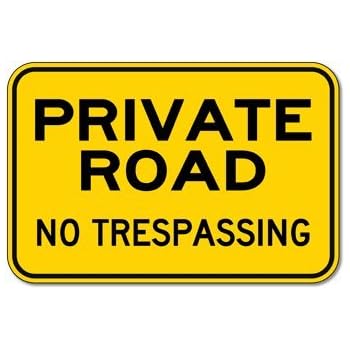
In the tapestry of urban and suburban landscapes, street signs often serve as utilitarian markers, guiding us through the labyrinth of our daily commutes. Yet, beneath their functional veneer lies a less-explored dimension: the artistic potential and personal expression embedded within private street signs. These signs, marking everything from exclusive residential enclaves to charming cottage lanes, transcend mere utility to become miniature works of art, imbuing our surroundings with character, history, and a sense of place. This article delves into the multifaceted world of private street signs, examining their dual role as essential navigational tools and aesthetic statements.
The Ubiquitous Necessity of Signage
Before exploring their artistic merits, it’s crucial to acknowledge the fundamental function of any street sign, private or public. Effective signage is the bedrock of navigation and safety. It provides:
- Clear Identification: Allowing residents and visitors to easily locate specific addresses.
- Emergency Access: Crucial for first responders like fire departments and ambulances to find their way quickly and efficiently.
- Sense of Order: Contributing to a well-organized and navigable environment.
- Property Delineation: Clearly marking the boundaries of private property and access rights.
In gated communities, private roads, or even long driveways leading to individual homes, the absence of clear signage can lead to confusion, missed deliveries, and delays in emergencies. Statistics from the National Fire Protection Association (NFPA) consistently highlight the importance of accessible and visible addresses for emergency response times. While specific data for private street signage isn’t as readily available as for public roads, the principles remain the same: clear identification saves time, and time can save lives.
Beyond the Standard: The Artistry of Private Street Signs

Where public street signs are typically standardized for uniformity and immediate recognition, private street signs offer a canvas for individuality. This is where the blend of art and functionality truly shines. Homeowners’ associations (HOAs), private developers, and individual property owners often commission or create signs that reflect the unique character of their locale. This can manifest in several ways:
Materiality and Craftsmanship
The choice of materials is a significant aspect of a private street sign’s artistic appeal. While public signs are often made of stamped aluminum or steel, private signs can embrace a wider range of aesthetics:
- Wrought Iron: Evoking a sense of timeless elegance and European charm, wrought iron signs can be intricately designed with curls, crests, and personalized monograms. They lend a formal and established feel to an entrance.
- Carved Wood: Natural and rustic, carved wooden signs offer a warm and inviting aesthetic. They can be shaped into various forms, from simple rectangles to more elaborate designs incorporating local flora and fauna or historical motifs. The grain and texture of the wood itself contribute to the artistic quality.
- Cast Bronze or Aluminum: These metals allow for raised lettering and intricate detailing, giving signs a substantial and permanent feel. They are often used in more upscale developments or historical districts to convey a sense of prestige and heritage.
- Stone or Brick Inlays: Some larger, more elaborate private entrances might incorporate signage directly into the stonework or brick pillars, creating a seamless and integrated artistic feature.
Design and Typography
The font, layout, and accompanying graphics of a private street sign can speak volumes about the community or property it represents. Consider these examples:
- Nostalgic Typography: Some signs might employ vintage fonts reminiscent of early 20th-century signage, evoking a sense of nostalgia and history. This is particularly common in older, established neighborhoods or for properties with historical significance.
- Nature-Inspired Motifs: In communities emphasizing green spaces or located in scenic areas, signs might incorporate carvings or embellishments of leaves, branches, birds, or local wildlife. This visually connects the signage to its natural surroundings.
- Heraldic or Emblematic Designs: Exclusive developments or properties with a strong familial history might feature crests, shields, or unique emblems that serve as a visual signature, adding a touch of heraldry and exclusivity.
- Personalized Touches: Beyond the street name, some signs might include the name of the development, the HOA’s logo, or even a small, tasteful artistic element chosen by the residents.
Case Studies: Inspiration in Private Signage
Observing real-world examples can illuminate the artistic and functional balance achieved by private street signs:
The Enclaves of Cape Cod
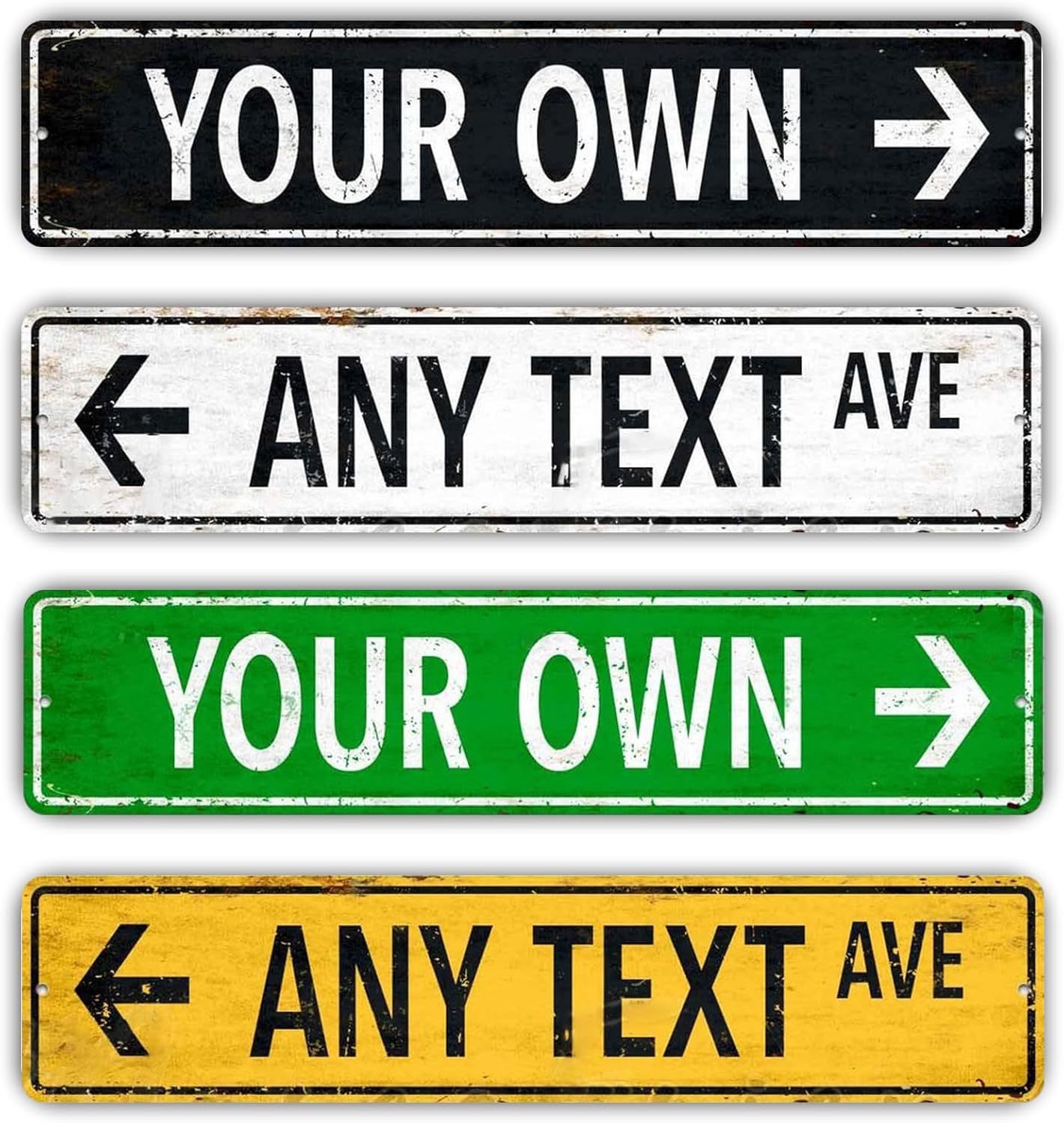
Many private roads and shared driveways leading to beachfront properties on Cape Cod feature charming wooden signs, often hand-painted with nautical themes. These signs, weathered by salt air, might depict anchors, seagulls, or classic boat names. They are not only functional but also act as visual anchors, connecting residents and visitors to the quintessential Cape Cod experience. The use of slightly distressed finishes and informal lettering enhances their artisanal appeal, making each sign feel unique.
Gated Communities of Scottsdale, Arizona
In contrast, some of the luxury gated communities in Scottsdale, Arizona, opt for sophisticated cast bronze or wrought iron signs with elegant serif fonts and subtle embossed designs. These signs often incorporate Southwestern motifs, such as stylized saguaro cacti or Native American patterns, reflecting the region’s cultural heritage. The weight and finish of the materials convey a sense of permanence and high quality, reinforcing the perceived value of the community.
Historic Villages in the English Countryside
Many historic villages in the English countryside still maintain traditional signage on private lanes. These are often made of sturdy cast iron or carved stone, with names that have been in use for centuries. The lettering is typically classic and legible, ensuring that these ancient pathways remain navigable. The very age and craftsmanship of these signs become an intrinsic part of their artistic appeal, telling a story of continuity and tradition.
Challenges and Considerations
While the artistic potential of private street signs is significant, there are practical considerations and challenges to address:
- Maintenance and Durability: Artistic materials, while beautiful, can sometimes require more specialized maintenance than standard signage. Ensuring that signs are durable enough to withstand varying weather conditions is crucial for long-term functionality.
- Legibility and Visibility: Artistry should never compromise clarity. Signs must remain legible from a distance and in various lighting conditions. Overly ornate fonts or busy designs can hinder immediate understanding, especially for emergency services.
- Consistency within a Community: In developments with multiple private streets, a degree of stylistic consistency is often desirable to maintain a cohesive aesthetic. HOAs play a key role in setting guidelines for signage design.
- Cost: Custom-designed and handcrafted signs are generally more expensive than mass-produced public signage. This is a factor that often influences the choice of materials and complexity of design.
- Regulatory Compliance: Even on private property, there can be local ordinances or building codes that dictate certain aspects of signage, particularly regarding size, placement, and reflective elements for visibility.
According to a survey by the Community Associations Institute (CAI), signage is a frequent topic of discussion in HOA board meetings, with debates often centering on the balance between aesthetic preferences and practical requirements for navigation and safety.
The Enduring Appeal of Personalized Signage

Private street signs offer a unique opportunity to infuse our built environments with personality and a sense of belonging. They are more than just markers; they are often the first visual introduction to a home, a neighborhood, or a community. The thoughtful integration of artistic elements can transform a functional necessity into a cherished detail, contributing to the overall character and appeal of a place.
The trend towards personalized and bespoke design extends beyond interior décor and into our exterior spaces. As more homeowners and developers recognize the value of creating distinctive environments, the artistry of private street signs is likely to continue evolving. They serve as quiet storytellers, hinting at the history, values, and aspirations of those who dwell behind them. Whether it’s the rustic charm of a hand-carved wooden sign or the stately elegance of a cast bronze marker, private street signs stand as testament to the fact that even the most utilitarian elements of our landscape can be imbued with beauty and meaning.
More Than Just a Name on a Post
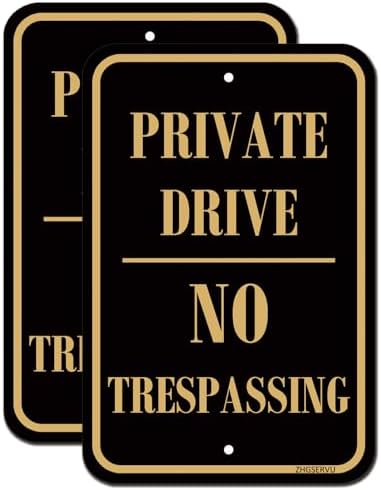
In conclusion, private street signs embody a fascinating duality, seamlessly blending essential functionality with artistic expression. They are the silent guardians of our addresses, ensuring clear navigation and vital access for emergencies. Simultaneously, they serve as miniature canvases, reflecting the unique character, history, and aspirations of their locations. From the intricate details of wrought iron to the rustic charm of carved wood, the choice of materials, typography, and design elevates these markers beyond mere utility. While practical considerations like maintenance and legibility remain paramount, the enduring appeal of personalized signage lies in its ability to imbue our surroundings with identity and a sense of place. Private street signs are not simply names on a post; they are the welcoming heralds and artistic signatures of our private domains, enriching the visual tapestry of our communities.