
A 6-foot tall privacy fence can serve as a protective barrier for your yard, providing both security and aesthetic appeal. However, like any outdoor feature, it requires regular maintenance to ensure its longevity and effectiveness. In this article, we will explore essential tips and tricks for maintaining your privacy fence, addressing common issues, and enhancing its lifespan.
Understanding Your Fence Material
The first step in maintaining your privacy fence is understanding the material it is constructed from, as different materials require different care.
- Wood: This is the most popular choice for privacy fences due to its natural look, but it is susceptible to rot, pests, and weathering.
- Vinyl: A durable option that requires less maintenance than wood, vinyl fences resist fading and don’t require painting.
- Composite: Made from a mix of wood and plastic fibers, composite fences offer the look of wood with added durability and less upkeep.
- Metal: Aluminum or wrought iron fences are sturdy and require minimal maintenance but can be prone to rust if not properly coated.
Regular Inspections: Catching Problems Early
Regular inspections are crucial in identifying potential issues before they become significant problems. Aim to inspect your fence at least twice a year, ideally in the spring and fall.
- Check for Damage: Look for any broken boards, rust on metal components, or signs of rot in wooden posts.
- Inspect the Ground: Make sure that the fence is stable and that there are no signs of sinking or shifting.
- Look for Pests: Be on the lookout for insect infestations, particularly termites in wooden fences.
Cleaning Your Fence: A Simple Yet Effective Step

Cleaning your fence is essential to maintaining its appearance and preventing decay. Here are steps to effectively clean your privacy fence:
- For Wood Fences: Use a mixture of soap and water with a brush to scrub away dirt, mildew, and moss. You may also consider using a power washer set to a low pressure to avoid damaging the wood.
- For Vinyl Fences: A solution of vinegar and water or a non-abrasive cleaner can effectively remove stains. Rinse thoroughly with a hose afterward.
- For Metal Fences: Clean with a mild detergent and a sponge to remove dirt and grime. Regularly check for rust and treat it immediately.
Sealing and Staining: Protecting Your Investment
Sealing and staining are crucial for wooden fences to protect them from the elements:
- Sealing: Use a water-repellent sealant to protect against moisture. This is especially important in areas with heavy rainfall.
- Staining: A quality stain can enhance the natural beauty of wood while providing a protective layer. Reapply stain every 2-3 years.
- Vinyl and Composite: While these materials don’t require staining, you can apply a UV protectant to prevent fading.
Repairing Damage: Quick Fixes and Long-Term Solutions
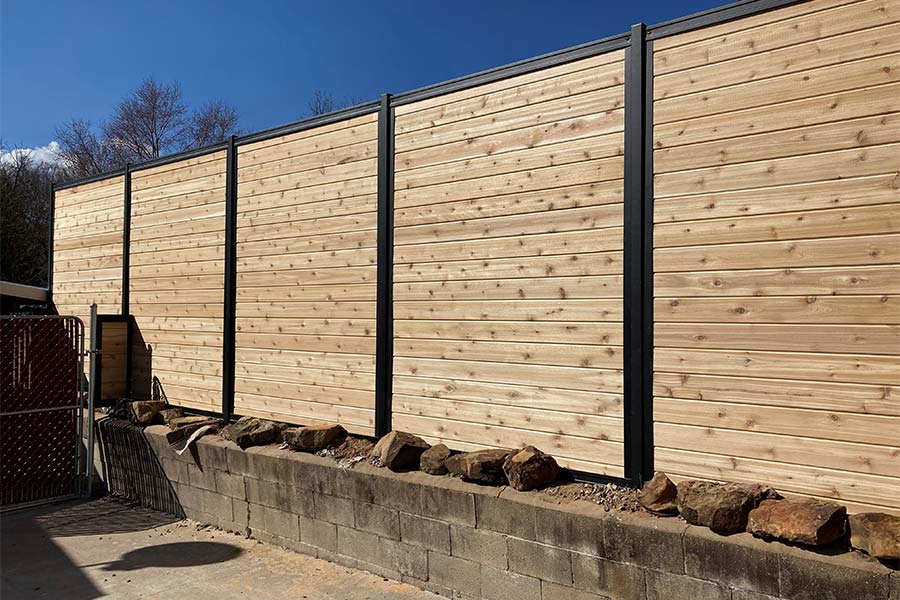
Addressing damage promptly can save you money and time in the long run. Here’s how to approach different types of damage:
- Loose Boards: Tighten screws or nails, or replace boards that are too damaged.
- Rotting Posts: If a post is rotting, consider replacing it. You can also use a concrete mix to reinforce the integrity of the remaining posts.
- Rusty Metal Fences: Remove rust using a wire brush, then apply a rust-inhibiting primer and paint to prevent future rust.
Landscaping Around Your Fence: Enhancing Aesthetics and Functionality
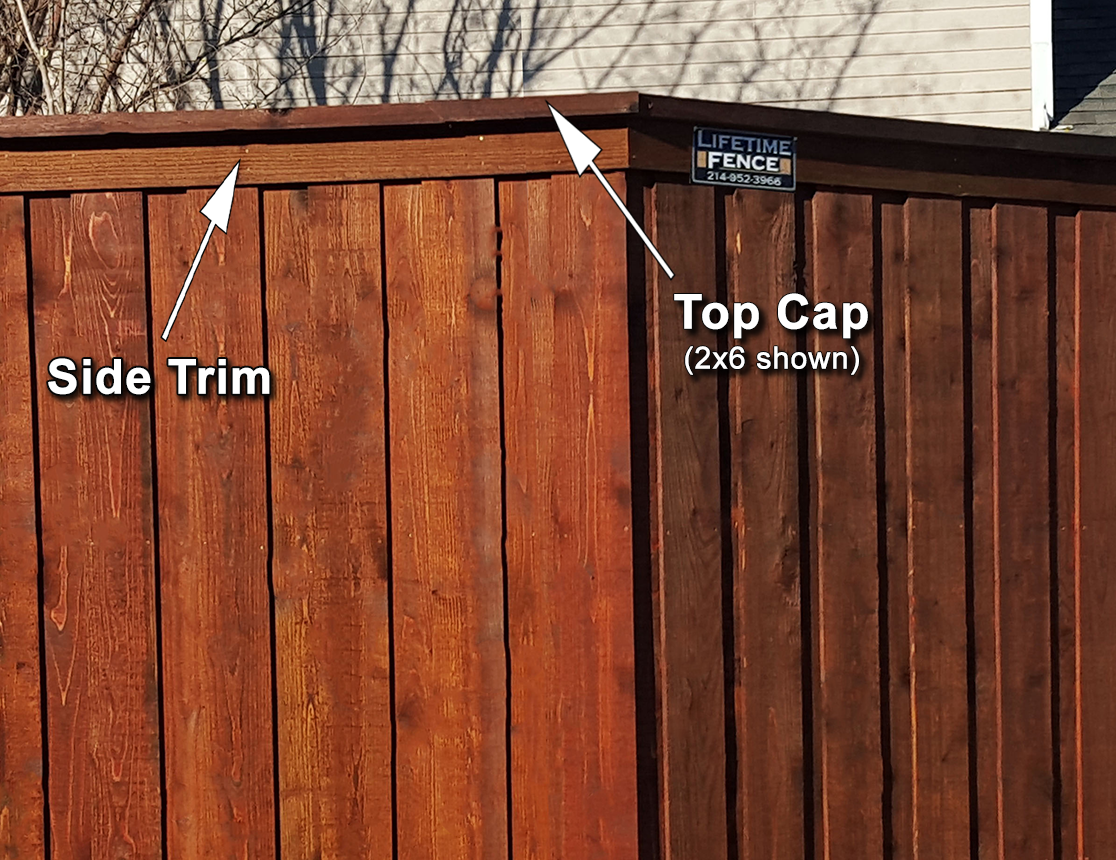
Landscaping can enhance the aesthetics of your privacy fence while providing additional protection. Here are some ideas:
- Planting Shrubs: Planting fast-growing, dense shrubs can add an extra layer of privacy and protection.
- Vines and Climbing Plants: Consider using trellises to support climbing plants that can provide natural beauty and coverage.
- Rock Beds: Creating a rock bed along the base of your fence can help with drainage and prevent weed growth.
Seasonal Maintenance: Adapting to Changes in Weather
![[100 Feet Of Fence] 6' Tall Cedar Wood Solid Privacy Complete Fence Pa](http://localstore.amerifencemadison.com/cdn/shop/products/GI-Residential-Wood-SolidPrivacy_08_1024x1024.jpg?v=1708357439)
Different seasons bring different challenges for your privacy fence. Here’s how to adapt your maintenance routine:
- Spring: Inspect for winter damage, clean the fence, and apply sealant or stain as needed.
- Summer: Monitor for insect infestations and maintain landscaping to prevent overgrowth.
- Fall: Clear leaves and debris to prevent moisture buildup and inspect for damage before winter.
- Winter: Snow and ice can add extra weight; ensure that your fence can withstand these elements.
Case Studies: Successful Fence Maintenance Practices

Several homeowners have successfully maintained their privacy fences through diligent care. For example:
- The Johnson Family: After purchasing a wooden privacy fence, they committed to a yearly maintenance schedule that included sealing every spring and inspecting for pests. As a result, their fence has lasted over a decade with minimal repairs.
- The Smiths: They opted for a vinyl fence, which they clean twice a year. Their proactive approach to cleaning has kept their fence looking brand new for over five years.
Maintaining a 6-foot tall privacy fence is essential for preserving its functionality and aesthetic appeal. By understanding the material, conducting regular inspections, cleaning, sealing, and promptly repairing damage, you can extend the life of your fence significantly. Furthermore, thoughtful landscaping and seasonal maintenance can enhance its durability and appearance. The investment in time and effort will pay off, ensuring your privacy fence remains a valuable asset to your property for years to come. Remember, a well-maintained fence not only provides privacy but also enhances your home’s curb appeal and value.