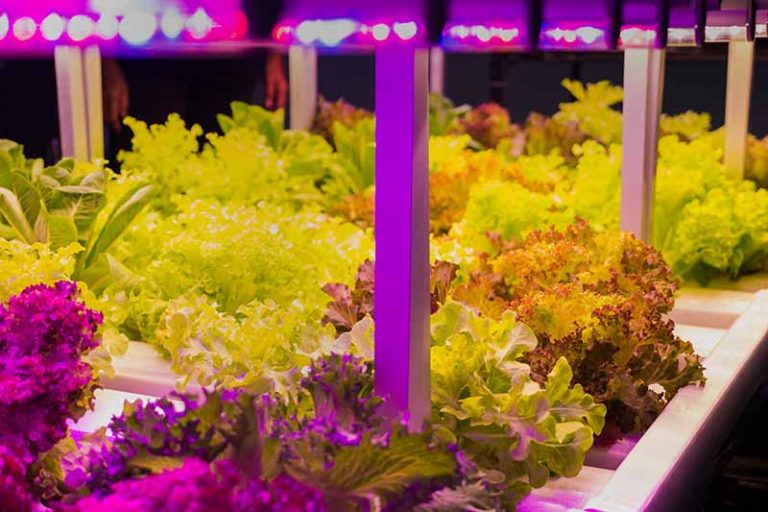
Lettuce is a staple of many diets, known for its crisp texture and versatility in salads, sandwiches, and wraps. While traditionally grown outdoors, the advent of indoor gardening techniques—especially using grow lights—has made it possible to cultivate this leafy green all year round. With proper knowledge and techniques, you can enjoy fresh, home-grown lettuce regardless of the season. This article explores top tips for using grow lights effectively to grow delicious lettuce indoors.
Understanding the Basics of Grow Lights
Before diving into tips for growing lettuce, it’s crucial to understand how grow lights work. They replicate the sun’s spectrum, providing the necessary light for photosynthesis. The main types of grow lights include:
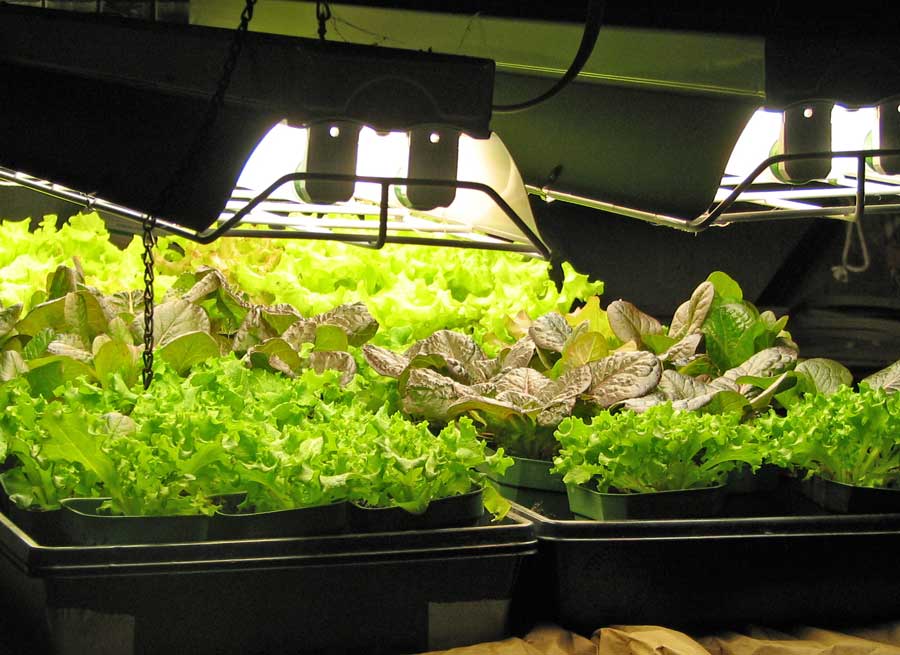
- Fluorescent Lights: Cost-effective and ideal for seedlings and leafy greens.
- LED Grow Lights: Energy-efficient and longer-lasting, these lights can be tailored to specific wavelengths that optimize plant growth.
- High-Intensity Discharge (HID) Lights: Suitable for larger setups, these lights produce a lot of heat and require careful placement.
Selecting the Right Grow Light for Lettuce
Choosing the appropriate grow light is crucial for the success of your indoor lettuce garden. Here are some considerations:
- Wattage: For lettuce, a minimum of 20-40 watts per square foot is recommended. LED lights are more efficient and provide the same output with less energy.
- Light Spectrum: Lettuce thrives in a light spectrum that includes both blue (for growth) and red (for flowering) wavelengths. Full-spectrum lights are ideal.
- Heat Output: Consider how much heat the light emits. Lettuce prefers cooler temperatures, so lights that run hot may require additional ventilation.
Setting Up Your Grow Light System

Once you have selected your grow light, it’s time to set up your growing system effectively. Here are key points to consider:
- Distance from Plants: Place lights 6-12 inches above the lettuce to avoid burning the leaves while ensuring adequate light penetration.
- Light Duration: Lettuce requires about 12-16 hours of light daily. Use a timer to automate the lighting schedule.
- Reflective Surfaces: Use reflective surfaces around your grow area to maximize light efficiency. Mylar or white walls can help bounce light back to the plants.
Choosing the Right Lettuce Varieties

Not all lettuce varieties are created equal, and some are better suited for indoor growing than others. Popular varieties for indoor gardening include:
- Butterhead Lettuce: Known for its tender leaves and sweet flavor.
- Romaine Lettuce: Crisp and crunchy, ideal for salads.
- Leaf Lettuce: Fast-growing and easy to harvest multiple times.
Consider starting with a mix of these varieties to enjoy a range of flavors and textures.
Watering and Nutrient Management

Proper watering and nutrient management are crucial for healthy lettuce growth. Here are some tips:
- Watering: Lettuce prefers consistently moist soil. Use the finger test—if the top inch of soil feels dry, it’s time to water.
- Soil Type: Use a light, well-draining potting mix. Adding perlite can improve aeration.
- Nutrients: Lettuce benefits from a balanced, water-soluble fertilizer. Look for a formula with equal parts nitrogen, phosphorus, and potassium (NPK).
Monitoring Temperature and Humidity
Lettuce grows best in cooler temperatures, ideally between 60°F and 70°F (15°C – 21°C). Here’s how to maintain the right environment:
- Temperature Control: Keep the grow area well-ventilated, and consider using a small fan to circulate air.
- Humidity Levels: Lettuce thrives in moderate humidity (around 50-70%). Use a hygrometer to monitor levels and mist plants as necessary.
Pest and Disease Management
Indoor gardening doesn’t mean you are free from pests and diseases. Common issues include:
- Aphids: Small, sap-sucking insects that can be controlled with insecticidal soap.
- Damping Off: A fungal disease that affects seedlings. Ensure good air circulation and avoid overwatering.
- Downy Mildew: A fungal infection that causes yellow spots on leaves. Good ventilation and proper watering can help prevent this.
Harvesting Your Lettuce
Knowing when and how to harvest is essential for the best flavor and texture. Here’s how to do it:
- Timing: Most lettuce varieties are ready to harvest in 30-60 days. Look for firm, healthy leaves.
- Harvesting Method: Cut lettuce leaves about an inch above the soil line. For leaf varieties, you can harvest outer leaves and allow the inner leaves to continue growing.
Case Study: Successful Indoor Lettuce Cultivation
A small urban farm in New York City implemented a hydroponic system using LED grow lights to cultivate lettuce indoors. In their first year, they produced over 2,000 heads of lettuce, achieving a yield of around 50 heads per week. By optimizing their grow light setup, maintaining ideal temperature and humidity levels, and implementing strict pest management practices, they significantly reduced their reliance on outdoor farming, demonstrating the viability of indoor lettuce cultivation.
The Future of Indoor Lettuce Farming
As urbanization increases, the demand for fresh produce will grow. Indoor farming using grow lights is poised to become a sustainable solution. A report from the US Department of Agriculture predicts that vertical farming can reduce water usage by up to 90% compared to traditional farming methods, making it an eco-friendly alternative.
Growing lettuce indoors using grow lights is a rewarding endeavor that can yield delicious results year-round. By understanding the types of grow lights, selecting the right variety of lettuce, managing water and nutrients, and maintaining optimal environmental conditions, you can create a thriving indoor garden. As urban farming continues to evolve, mastering these techniques will not only provide you with fresh produce but also contribute to a more sustainable food system. Start your indoor lettuce garden today and enjoy the fruits (or rather, the greens) of your labor!