In the world of cake decorating and edible crafts, wafer paper has emerged as a versatile medium that allows artists to create stunning visual effects. Whether it’s for intricate cake toppers, delicate flowers, or even edible prints, the demand for custom wafer paper has skyrocketed. But what goes into designing this unique edible material? This article delves into the behind-the-scenes processes involved in creating custom wafer paper, from conceptualization to production.
Understanding Wafer Paper
Before we dive into the design process, it’s essential to understand what wafer paper is and why it has become a popular choice among bakers and decorators. Wafer paper is a thin, edible sheet made primarily from potato starch, tapioca, or rice flour. Unlike fondant, it has a more delicate nature and is often used for detailed work.
Key Properties of Wafer Paper
- Transparency: Wafer paper is semi-transparent, allowing for layering effects and intricate designs.
- Texture: It has a light, crispy texture that can complement various desserts.
- Edibility: Made from natural ingredients, wafer paper is safe to consume.
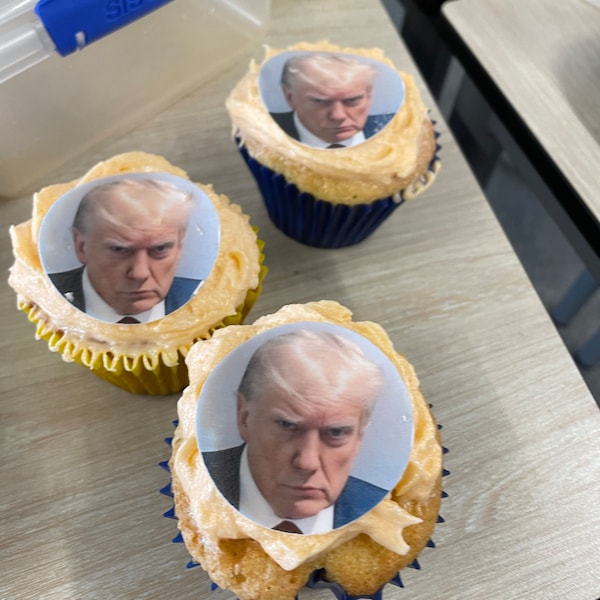
- Printability: It can be printed on using edible ink, making it highly customizable.
The Custom Design Process
The journey of creating custom wafer paper begins with a clear understanding of the client’s needs and preferences. The process can be broken down into several key stages:
1. Conceptualization
The first step in designing custom wafer paper is brainstorming ideas. This phase involves:
- Client Consultation: Engaging with the client to understand their vision, theme, and specific requirements.
- Research: Exploring current trends, color palettes, and styles that resonate with the target audience.
- Sketching Ideas: Creating rough sketches to visualize the design concept before moving to digital formats.
2. Digital Design
Once the concept is solidified, the next step is to bring it to life using digital tools. Graphic design software like Adobe Illustrator or Photoshop is commonly used for this purpose. During this phase:
- Vector Graphics: Designers create vector images, which can be scaled without losing quality.
- Color Matching: Ensuring that the colors used in the design will translate well onto the wafer paper.
- Client Feedback: Presenting initial designs to the client for feedback and making necessary revisions.
3. Pre-Production Sampling
Before moving to mass production, it’s crucial to create samples to test the design’s feasibility and appearance. This involves:
- Printing Tests: Running tests to see how the design looks when printed on actual wafer paper.
- Quality Control: Checking for any issues such as color fading, alignment, or texture.
- Client Approval: Sending samples to the client for final approval before production begins.
4. Production
Once approved, the production phase kicks off. Here’s what happens:
- Material Preparation: Sourcing high-quality wafer paper and edible inks for printing.
- Printing: Using specialized printers that can handle edible inks to ensure vibrant, accurate outputs.
- Cutting and Finishing: After printing, the sheets are cut into desired shapes and sizes, and any finishing touches are applied.
5. Packaging and Delivery
The final step in the process is packaging the custom wafer paper for delivery. This includes:
- Protective Packaging: Ensuring that the wafer paper is well-protected during transit to prevent damage.
- Instructions for Use: Providing clients with guidelines on how to handle and use the wafer paper.
- Shipping: Selecting appropriate shipping methods to ensure timely delivery.
Case Studies: Successful Custom Wafer Paper Designs
To further illustrate the process, let’s explore a couple of case studies that highlight successful custom wafer paper designs.
Case Study 1: The Floral Fantasy Cake

A popular cake designer was commissioned to create a wedding cake adorned with various flowers made from custom wafer paper. Here’s how they approached the project:
- Client Vision: The bride wanted a soft color palette with peonies and roses.
- Design Development: The designer created digital mock-ups and presented them to the client.
- Sample Testing: After several iterations, they produced a perfect sample that matched the bride’s vision.
- Final Production: The wafer paper flowers were printed, cut, and assembled to create a stunning cake.
Case Study 2: The Themed Birthday Bash
A baker was tasked with designing wafer paper toppers for a child’s birthday cake themed around a popular animated movie.
- Character Selection: The client provided specific characters to feature on the cake.
- Color Coordination: Colors were matched to the movie’s palette for consistency.
- Client Interaction: The client was kept in the loop throughout the design process, ensuring satisfaction.
- Successful Delivery: The final product received rave reviews from the birthday party attendees.
The Future of Custom Wafer Paper Design
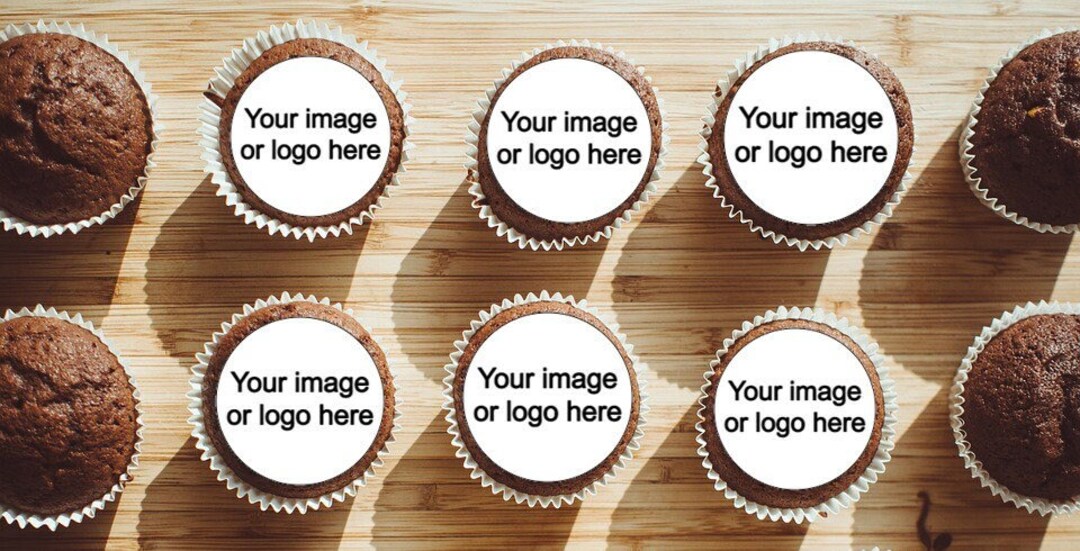
As technology continues to evolve, the future of custom wafer paper design looks promising. Innovations such as 3D printing and advancements in edible inks may lead to even more intricate designs and personalized options for clients.
Trends to Watch
- Personalization: More bakers are looking for unique, personalized designs that reflect individual tastes.
- Sustainability: Eco-friendly materials and practices are becoming increasingly important in the food industry.
- Interactive Designs: Incorporating elements like QR codes that link to videos or messages could enhance the customer experience.
The creation of custom wafer paper is a complex but rewarding process that merges art with culinary innovation. From initial consultations to final delivery, each step requires careful consideration and collaboration between designers and clients. As the demand for unique and visually stunning edible designs continues to grow, understanding the behind-the-scenes processes can provide valuable insights for aspiring cake decorators and bakers alike.
In essence, the art of designing custom wafer paper is not just about creating pretty decorations; it’s about telling a story and enhancing the overall experience of a celebration. By embracing creativity and technological advancements, the future of wafer paper design holds endless possibilities.