
Smoke and carbon monoxide (CO) detectors are essential life-saving devices that help protect homes and their inhabitants from the dangers of fire and toxic gas. Despite their importance, there are several myths surrounding these devices that can lead to misinformation and, ultimately, unsafe practices. This article aims to debunk common myths about UL (Underwriters Laboratories) listed smoke and CO detectors, providing valuable insights into their functionality, installation, and maintenance.
Understanding UL Listings
Before diving into the myths, it’s crucial to understand what a UL listing means. Underwriters Laboratories is a global safety certification organization that tests and certifies products for safety and performance. A UL listed smoke or CO detector has undergone rigorous testing to ensure it meets specific safety standards.
Myth 1: All Smoke Detectors Are the Same
One of the most common myths is that all smoke detectors function the same way. This is far from the truth. Smoke detectors can be categorized into two main types: ionization and photoelectric.
- Ionization Detectors: These detectors are more sensitive to flaming fires, which produce small combustion particles.
- Photoelectric Detectors: These are better at detecting smoldering fires, which produce larger smoke particles.
According to the National Fire Protection Association (NFPA), both types of detectors should be used in conjunction for optimal safety. Having a combination of both can greatly improve your chances of early detection and increase survival rates during emergencies.
Myth 2: UL Listed Detectors Are Too Expensive
Another prevalent myth is that UL listed detectors are prohibitively expensive. While it’s true that some high-end models can be pricey, there are many affordable options that still meet UL standards. The cost of a quality smoke or CO detector can range from $10 to $50, depending on the features and technologies included.
Investing in a UL listed device can potentially save lives and property, making it a worthwhile expenditure. For example, according to the NFPA, homes with working smoke detectors reduce the risk of death in a fire by 50%. This statistic highlights the value of having reliable and certified detectors, which far outweighs their initial cost.
Myth 3: Once Installed, Detectors Don’t Need Maintenance
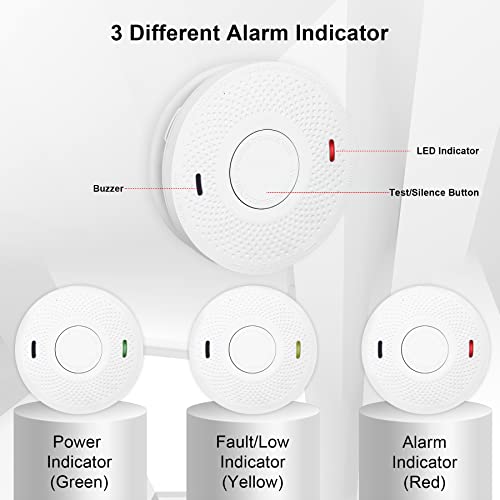
Many homeowners believe that once smoke and CO detectors are installed, they are good to go indefinitely. This myth can lead to dangerous situations, as maintenance is crucial for ensuring the devices function correctly.
- Regular Testing: Detectors should be tested monthly by pressing the test button.
- Battery Replacement: Batteries in battery-operated detectors should be replaced at least once a year, while hardwired models often have backup batteries that require similar attention.
- Cleaning: Dust and debris can accumulate in detectors, so they should be cleaned periodically according to the manufacturer’s instructions.
Furthermore, most smoke detectors have a lifespan of about 10 years. After this period, it’s recommended to replace the entire unit to ensure reliability. The NFPA states that 3 out of 5 fire deaths occur in homes with no smoke alarms or non-working alarms, which highlights the importance of regular maintenance.
Myth 4: Smoke Detectors Can Be Installed Anywhere

Another myth is that smoke detectors can be installed anywhere in a home. In reality, proper placement is critical for their effectiveness. The NFPA provides specific guidelines for installing smoke detectors:
- Place smoke detectors inside each sleeping room.
- Install detectors outside each sleeping area and on every level of the home.
- Mount smoke detectors on ceilings or high on walls, as smoke rises.
- Avoid placing detectors near windows, ducts, or vents, which can interfere with their operation.
Following these guidelines can significantly enhance the detector’s ability to alert occupants in case of fire or smoke.
Myth 5: Carbon Monoxide Detectors Are Optional
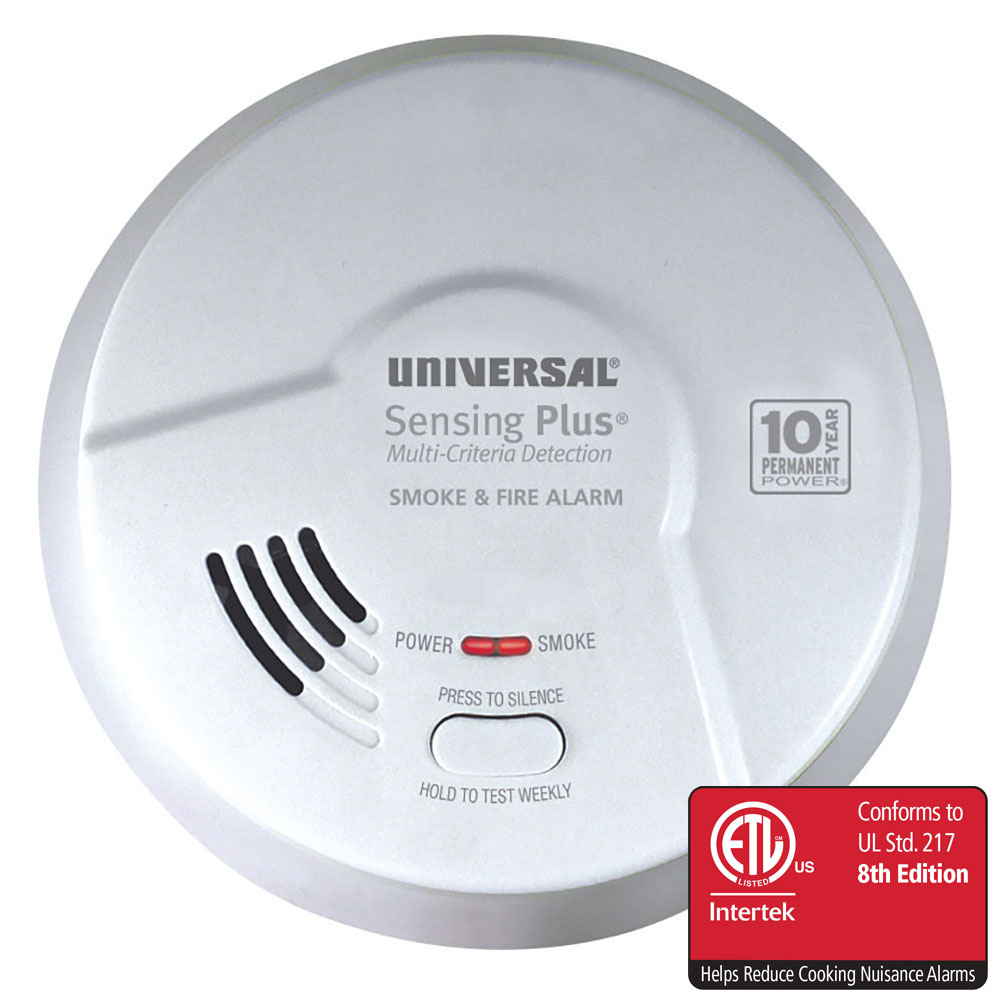
Some homeowners believe that CO detectors are optional, especially in homes with gas appliances. This is a dangerous misconception. Carbon monoxide is known as the “silent killer” because it is colorless, odorless, and tasteless, making it nearly impossible to detect without a CO detector.
According to the Centers for Disease Control and Prevention (CDC), more than 400 people die from unintentional CO poisoning each year in the U.S. Many of these incidents occur in homes without functioning CO detectors. Installing a UL listed CO detector is a critical step in ensuring safety, particularly for those living in homes with gas appliances, fireplaces, or attached garages.
Myth 6: Smoke and CO Detectors Are Only Needed in Residential Homes

Another common myth is that smoke and CO detectors are only necessary in residential properties. In reality, these devices are equally important in commercial settings. Businesses, especially those that serve the public or house employees, must comply with local fire codes, which often require installing smoke and CO detectors.
For example, in the event of a fire in a commercial building, having functional detectors not only protects employees and customers but can also significantly reduce the potential for financial loss. According to the NFPA, businesses that experience a fire without functioning smoke alarms can face losses that could have been mitigated by proper safety measures.
Myth 7: Hardwired Detectors Are Always Better Than Battery-Operated Ones
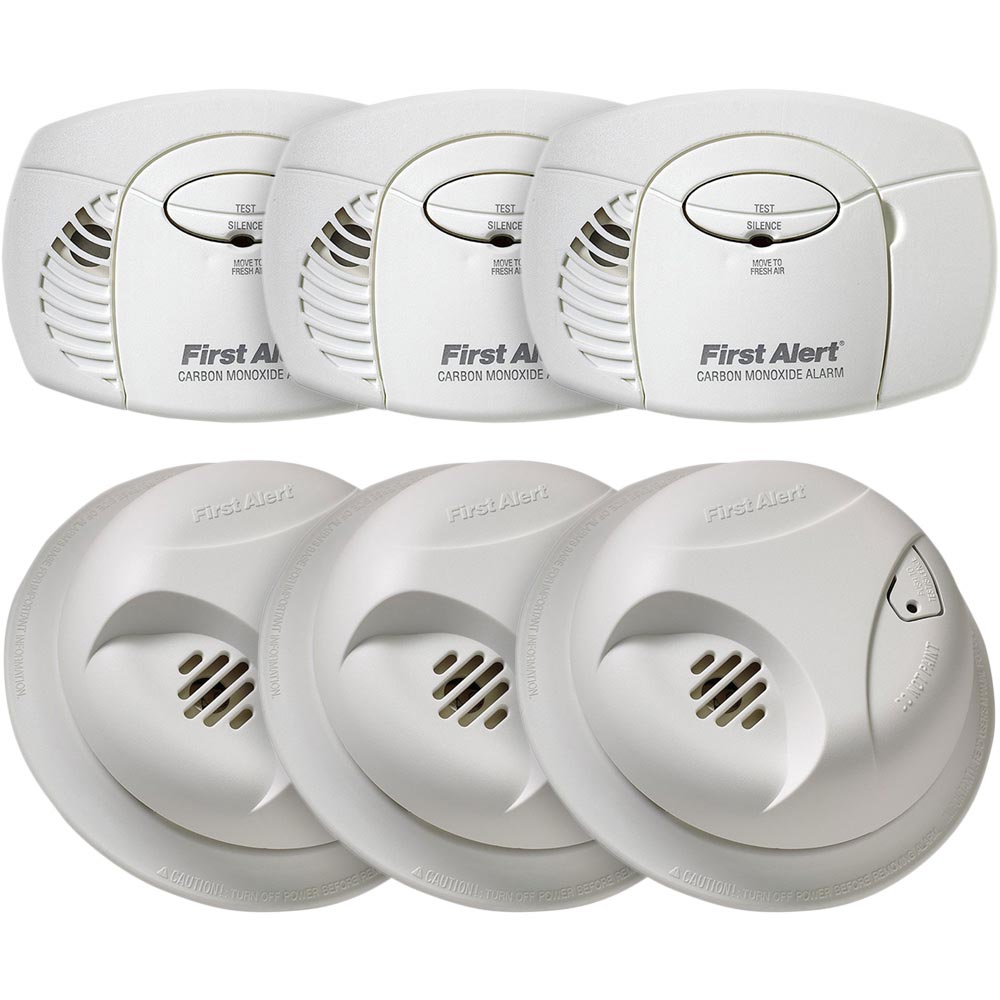
Many believe that hardwired smoke and CO detectors are superior to battery-operated models. While hardwired detectors have their advantages, such as not needing battery replacements, they also come with their own set of challenges. For instance:
- Power outages can render hardwired detectors useless unless they have a battery backup.
- Installation can be more complex and may require professional assistance.
- Hardwired systems can be more expensive upfront.
Battery-operated detectors can be just as effective if maintained correctly. They are often easier to install and can be placed in optimal locations without the need for electrical access. The key is to choose a UL listed model and ensure it is regularly tested and maintained.
Understanding the facts about UL listed smoke and CO detectors is essential for ensuring the safety of your home and loved ones. By debunking these common myths, we can promote better awareness and encourage responsible practices surrounding these life-saving devices. Remember:
- Not all smoke detectors function the same; use a combination of types for optimal safety.
- UL listed detectors are available at a range of price points and are a worthwhile investment.
- Regular maintenance, including testing and cleaning, is crucial for effectiveness.
- Proper placement of detectors can significantly impact their performance.
- CO detectors are essential for every home, especially those with gas appliances.
- Smoke and CO detectors are as important in commercial settings as in residential ones.
- Both hardwired and battery-operated detectors have their merits; choose based on your needs.
By staying informed and proactive, we can ensure that our homes are equipped with the necessary tools to protect against fire and carbon monoxide hazards. Prioritize safety, and make sure your smoke and CO detectors are up to standard.