
The golden years are often a time for reflection, connection, and the pursuit of enjoyable pastimes. For seniors experiencing limited mobility, finding activities that foster creativity, engagement, and a sense of accomplishment can be a profound source of joy and well-being. Fortunately, the world of craft kits has evolved significantly, offering a diverse range of options specifically designed to be accessible and rewarding for individuals with varying physical abilities. These kits are not just about occupying time; they are powerful tools for cognitive stimulation, mood enhancement, and maintaining fine motor skills.
This article delves into the realm of easy and engaging craft kits perfect for seniors with limited mobility. We will explore the benefits of crafting for this demographic, identify key features to look for in suitable kits, and highlight specific types of crafts that have proven to be particularly successful. By understanding these elements, caregivers, family members, and seniors themselves can discover a world of creative possibilities that bring color, purpose, and connection into everyday life.
The Therapeutic Power of Crafting for Seniors
Crafting offers a wealth of benefits that extend far beyond the creation of a physical object. For seniors, especially those with limited mobility, the act of creating can have a deeply positive impact on their physical, mental, and emotional health. The Centers for Disease Control and Prevention (CDC) has consistently highlighted the importance of engaging activities for maintaining cognitive function and preventing isolation in older adults. Crafting directly addresses these needs.
Cognitive Stimulation and Skill Maintenance:
Many craft kits require concentration, problem-solving, and the following of instructions. This mental engagement can help to keep the brain active and sharp, potentially delaying cognitive decline. Activities involving fine motor skills, such as threading beads or painting intricate designs, also help to maintain dexterity and hand-eye coordination. A study published in the *Journal of the American Geriatrics Society* found that participation in mentally stimulating activities, like crafts, was associated with a lower risk of dementia.
Emotional Well-being and Stress Reduction:
The repetitive and focused nature of many crafts can be incredibly calming and meditative. The act of creating something tangible from raw materials can foster a sense of accomplishment and boost self-esteem. For seniors who may feel a loss of purpose or independence due to mobility challenges, the ability to complete a craft project can be empowering. The National Endowment for the Arts (NEA) has supported research demonstrating the positive effects of arts participation on mental health, including reduced symptoms of depression and anxiety among older adults.
Social Connection and Reduced Isolation:
While many craft kits are designed for individual enjoyment, they can also be a catalyst for social interaction. Group crafting sessions, whether in a community center, assisted living facility, or even a virtual setting, provide opportunities for seniors to connect with peers, share their creations, and enjoy a common activity. This combats the loneliness and isolation that can often accompany limited mobility.
Key Features of Craft Kits for Seniors with Limited Mobility
When selecting a craft kit for a senior with limited mobility, it’s crucial to consider specific design elements that ensure ease of use, safety, and maximum enjoyment. Not all craft kits are created equal, and a little thoughtful selection can make a world of difference.
Ease of Handling and Dexterity:

- Large, Easy-to-Grasp Components: Avoid kits with tiny beads, intricate patterns requiring extreme precision, or small tools that are difficult to manipulate. Look for larger pieces, thicker yarns, and tools with comfortable, ergonomic grips.
- Pre-cut or Pre-marked Elements: Kits that come with pre-cut fabric, pre-drawn lines for painting, or pre-punched holes significantly reduce the need for precise cutting and measuring, which can be challenging for those with limited hand strength or dexterity.
- Simple Steps and Clear Instructions: Instructions should be presented in a large, easy-to-read font with clear, concise language. Visual aids, such as diagrams or step-by-step photographs, are highly beneficial.
Safety and Accessibility:
- Non-Toxic Materials: Ensure all materials are safe and non-toxic, especially if there’s a risk of accidental ingestion.
- Minimal Sharp Objects: If tools are included, they should be blunt-nosed or the kit should be designed to minimize the need for sharp implements.
- Adaptable Techniques: Kits that can be modified to suit different levels of mobility are ideal. For example, a painting kit where larger brushes can be used or a knitting kit that can accommodate larger needles.
Engagement and Variety:

- Satisfying End Products: The finished craft should be something the senior can be proud of and potentially use or display, offering a tangible reward for their effort.
- Variety of Themes and Textures: Offering a range of themes, colors, and textures can keep the experience novel and engaging.
- Options for Different Skill Levels: Some seniors may have more dexterity than others. Kits that offer a range of complexity within a single craft type can cater to diverse abilities.
Discovering Engaging Craft Kits: Popular Choices for Seniors
The market offers a growing number of craft kits specifically tailored to the needs of seniors. Here are some of the most popular and engaging options, along with examples of how they can be adapted:
Painting and Coloring Kits:

Painting by numbers is a classic for a reason. It offers a structured approach to art creation, guaranteeing a pleasing result. Modern kits often feature larger canvas areas and thicker paint lines, making them easier to follow. Watercolors are also a good option as they require less fine motor control than acrylics or oils.
Example: A paint-by-numbers kit with a serene landscape or a floral design. The numbers are large and clear, and the paint pots are easy to open. For those with tremor, using a larger brush or a brush grip adapter can make a significant difference.
Knitting and Crochet Kits:

These traditional crafts are excellent for maintaining dexterity and can be incredibly meditative. Kits with chunky yarn and larger needles or crochet hooks are ideal. Many kits are available for simple projects like scarves, dishcloths, or mug cozies, providing a sense of accomplishment with a functional outcome.
Example: A beginner’s chunky knit scarf kit. It might include pre-wound yarn, oversized knitting needles, and a simple, step-by-step guide with illustrations. Some kits even offer “arm knitting” options, which require no needles and are even more accessible.
Beading and Jewelry Making Kits:
While some beading can be fiddly, many kits are designed with larger beads and simpler designs. Kits for making elastic bracelets or necklaces are perfect. The tactile experience of handling beads and the satisfaction of creating wearable art can be very rewarding.
Example: An elastic bead bracelet kit. It includes large, colorful beads, elastic cord, and perhaps some charm elements. The focus is on threading the beads, eliminating the need for clasps or intricate wirework.
Paper Crafts and Card Making:
These kits can range from simple stamping and coloring to more involved paper folding and embellishment. Kits that include pre-cut cardstock, stickers, and simple stencils are excellent for creating personalized greeting cards, which can be a wonderful way to stay connected with loved ones.
Example: A card-making kit with pre-folded cards, decorative papers, stickers, and glue dots. The goal is to arrange and adhere these elements to create unique cards. Many kits come with templates for easy arrangement.
Model Building and Assembly Kits:
For those who enjoy a more three-dimensional challenge, simplified model kits can be a great fit. Look for kits that use interlocking pieces, pre-painted parts, or minimal adhesive. Kits for building simple birdhouses, wooden puzzles, or even pre-fabricated decorative items can be very satisfying.
Example: A wooden 3D puzzle of an animal or a famous landmark. The pieces are often slotted and designed to fit together without glue, offering a tactile and rewarding assembly experience.
“No-Sew” Fabric Crafts:
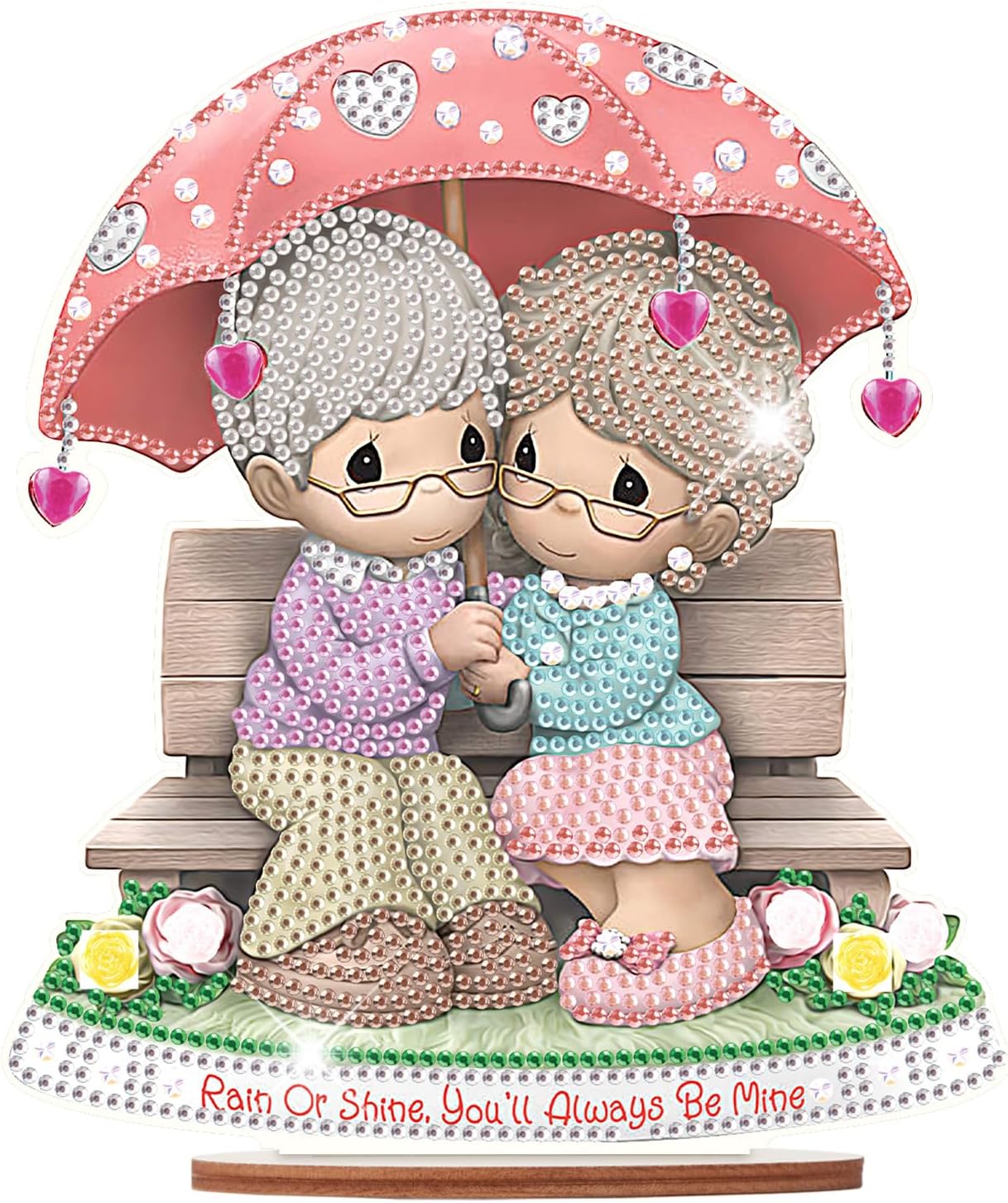
These kits offer the joy of working with fabric without the need for sewing machines or needles. Think fleece tie blankets, fabric collage projects using fabric glue, or simple felt projects that use fabric adhesive or pre-applied Velcro.
Example: A no-sew fleece tie blanket kit. It includes two layers of pre-cut fleece fabric with fringed edges, making it easy to tie the fringes together to create a cozy blanket.
Making Crafting Accessible: Tips for Success
Beyond choosing the right kit, certain strategies can enhance the crafting experience for seniors with limited mobility:
- Adapt the Workspace: Ensure the crafting area is well-lit and comfortable. Use lap desks or trays to keep materials within easy reach and stable. Non-slip mats can prevent items from sliding.
- Tool Adaptations: Consider adaptive tools such as larger crochet hooks, pencil grips for brushes or pens, or magnetic embroidery hoops.
- Break Down Projects: Encourage seniors to work on their projects in shorter, manageable sessions to avoid fatigue.
- Offer Assistance When Needed: Be available to help with tasks that may be particularly challenging, like opening stubborn packaging or threading a needle, while still allowing the senior to maintain as much independence as possible.
- Celebrate Progress: Acknowledge and celebrate each step of the creative process, no matter how small. Display finished works with pride.
A case study from a senior living facility highlighted the impact of a dedicated crafting program. Residents who participated in weekly craft sessions reported significant improvements in their mood, reduced feelings of loneliness, and increased interaction with staff and other residents. The facility noted a decrease in the need for certain types of medication for anxiety and depression among the participating residents.
Crafting offers a vibrant and accessible avenue for seniors with limited mobility to engage their minds, express their creativity, and enrich their lives. By thoughtfully selecting craft kits that prioritize ease of handling, safety, and engaging projects, we can unlock a world of artistic expression. From the calming strokes of a paintbrush to the satisfying click of beads or the cozy warmth of a hand-knitted scarf, these kits provide not just a pastime, but a pathway to enhanced well-being, a strengthened sense of self, and a deeper connection to the world around them. The joy of creation knows no bounds, and with the right tools and a little encouragement, every senior can experience the profound rewards of making.