
Choosing the right coffee table can significantly enhance the functionality and aesthetic of your living space. With various styles, shapes, sizes, and materials available, the challenge lies in finding the perfect fit for your room. One of the most crucial considerations when selecting a coffee table is its width, as it affects not only the table’s usability but also the overall flow and appearance of the space. This article will guide you through the essential factors to consider when choosing a coffee table, with a special focus on its width.
The Importance of Coffee Table Width
The width of a coffee table can influence several aspects of your living room, including:
- Functionality: A coffee table should accommodate the needs of its users, allowing for easy access to items placed on it.
- Aesthetic Balance: The width affects how the coffee table complements other furniture pieces in the room.
- Traffic Flow: The right width ensures that there’s enough space for movement, avoiding congestion in the living area.
Measuring Your Space
Before selecting a coffee table, it’s essential to measure your space accurately. Here’s how to do it:
- Identify the Area: Determine where you want to place the coffee table. This could be in front of your sofa or center in your living room.
- Measure the Dimensions: Use a measuring tape to record the length and width of the area. Make sure to consider any additional furniture that will be in the vicinity, such as chairs or side tables.
- Account for Clearance: Ideally, there should be 18 inches of space between the coffee table and seating areas to allow for comfortable movement.
Choosing the Right Width
When it comes to coffee table width, several guidelines can help you make the best choice for your space:
Standard Width Recommendations
The typical width of a coffee table ranges between 24 to 48 inches. Here’s a breakdown of how to choose based on your seating arrangement:
- For Small Spaces: If you have a small living area, a narrow coffee table (24-30 inches wide) would be more appropriate. It won’t dominate the space and allows for easy movement.
- For Medium Spaces: A coffee table width of 30-36 inches is generally suitable for medium-sized living rooms. It provides a balance between functionality and space efficiency.
- For Large Spaces: In larger living areas, a wider coffee table (36-48 inches) can serve as a statement piece while still being functional.
Shape Considerations
The shape of your coffee table can also influence its perceived width. Here are common shapes and their implications:
- Rectangular: Offers ample surface area and works well in long, narrow spaces.
- Round: A round coffee table can create a softer look and is perfect for smaller spaces as it reduces sharp corners.
- Square: Ideal for symmetry, square tables work best in larger spaces where they can be paired with sectional sofas.
Material Matters
The material of the coffee table also contributes to its overall width perception and functionality. Here are some popular materials and their characteristics:
- Wood: Offers warmth and natural beauty. Consider a solid wood table for durability.
- Glass: Provides an illusion of space due to its transparency, making it a great choice for smaller rooms.
- Metal: Adds an industrial touch and can be very lightweight, making it easier to move.
Style and Aesthetic Considerations
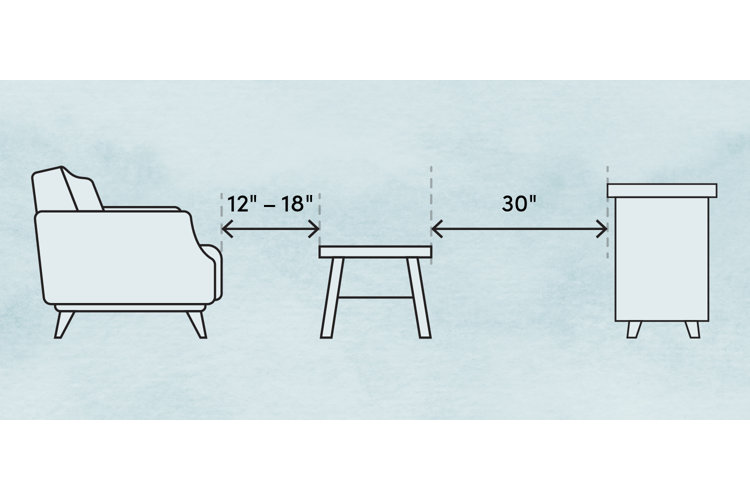
When choosing a coffee table, consider how its width and style will coordinate with your existing furniture:
- Modern: Sleek and minimal designs often require narrower tables to maintain a clean look.
- Traditional: Heavier, more ornate coffee tables can be wider as they usually become a focal point in the room.
- Eclectic: Mixing styles can allow for more creative choices, but be mindful of the overall balance.
Case Study: Real-Life Examples
Let’s explore a few real-life examples to illustrate how coffee table width can impact a living space:
Example 1: The Small Apartment
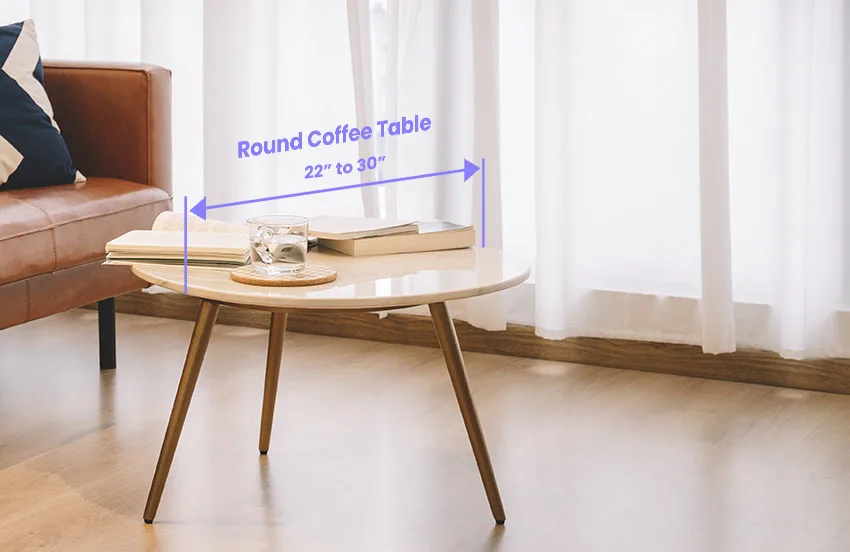
In a 500-square-foot studio apartment, the residents opted for a 30-inch round glass coffee table. This choice not only provided essential surface area for drinks and decor but also created a sense of openness, making the room feel larger.
Example 2: The Family Home
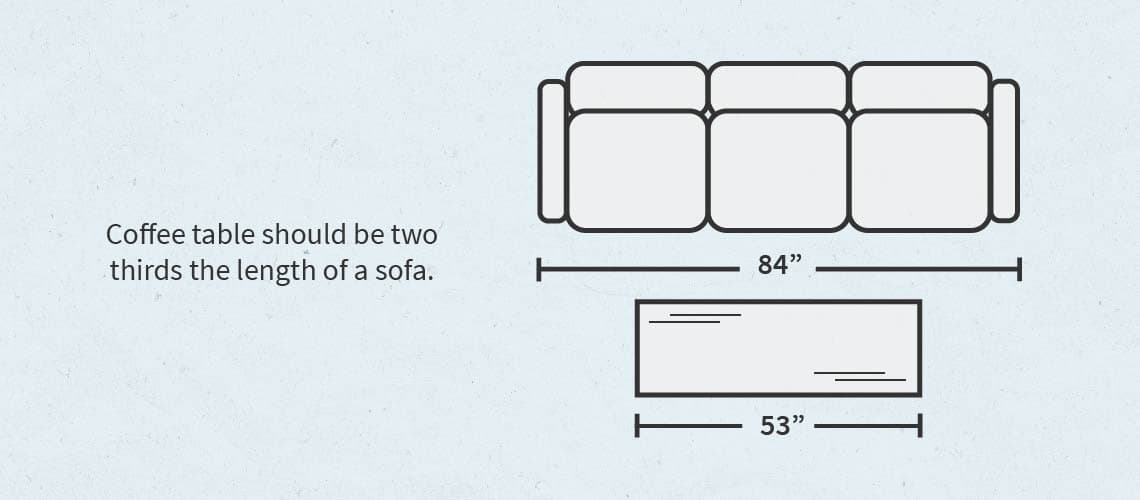
A family of four in a spacious living room selected a 42-inch rectangular coffee table made of reclaimed wood. The wider table accommodated board games and snacks during family movie nights, while its rustic design complemented the room’s cozy aesthetic.
Example 3: The Modern Loft

In a modern loft, a couple chose a sleek 36-inch square metal coffee table. This piece served as a statement item that matched their contemporary style while also offering sufficient space for coffee cups and books.
Final Considerations

After narrowing down your options based on width and other factors, consider additional elements that could influence your decision:
- Multi-functionality: Look for coffee tables that offer storage options or can be converted into other furniture pieces.
- Budget: Set a budget for your coffee table. Prices can vary widely based on material and design.
- Personal Preference: Ultimately, your taste and lifestyle should guide your decision.
Choosing the right coffee table width is a critical aspect of designing a functional and aesthetically pleasing living space. By measuring your area, understanding the guidelines for width based on your room size, and considering factors such as shape, material, and style, you can find a coffee table that perfectly fits your needs. Remember to take into account how the table will interact with other elements in your room, ensuring a harmonious and inviting atmosphere. With these insights, you’re well-equipped to make an informed decision that enhances your living experience.