The allure of a circular bunk bed is undeniable. It’s a space-saving marvel, a playful centerpiece for a child’s bedroom, and a potential solution for accommodating sleepovers or growing families. However, amidst the excitement of acquiring such a unique piece of furniture, a paramount consideration must always take precedence: safety. Unlike traditional rectangular bunk beds, circular designs present their own set of challenges and require a discerning approach to ensure the well-being of your loved ones. This article delves into the crucial aspects of choosing the right circular bunk bed, prioritizing safety above all else.
The Appeal of Circular Bunk Beds: More Than Just Aesthetics
Before we dive into safety specifics, it’s worth understanding why these circular marvels are gaining traction. Their innovative design offers:
- Space Optimization: Particularly in smaller rooms, a circular bunk bed can often fit more efficiently into corners or against walls, maximizing usable floor space.
- Unique Aesthetics: The unconventional shape can add a whimsical and modern touch to a child’s bedroom, fostering a sense of fun and imagination.
- Enhanced Social Interaction: Some designs with open sides or integrated seating areas can encourage interaction and play among children.
- Flexibility in Layout: The curved nature can sometimes allow for more creative room arrangements.
However, these benefits must be weighed against potential safety risks. The curved structure, the absence of sharp corners, and the often-open nature of some designs necessitate a closer look at structural integrity, railing effectiveness, and overall stability.
Understanding the Safety Standards: What to Look For

When it comes to bunk beds, safety is not an afterthought; it’s a fundamental requirement. While specific regulations for *circular* bunk beds might not be as universally codified as for their rectangular counterparts, general bunk bed safety standards provide a strong framework for evaluation. In the United States, the Consumer Product Safety Commission (CPSC) provides guidelines, and in Europe, the EN 747 standard is the benchmark.
Key safety features to scrutinize for any bunk bed, including circular designs, include:
- Guardrails: These are non-negotiable. For the top bunk, guardrails must extend at least 5 inches above the mattress surface to prevent accidental falls. These should be present on all open sides of the top bunk.
- Ladder/Stair Access: The ladder or stairs should be sturdy, securely attached, and have a non-slip surface. The spacing of rungs should be consistent and appropriate for children’s feet.
- Mattress Support: The slats or platform supporting the mattress must be strong and closely spaced to prevent the mattress from sinking or creating gaps where limbs could get caught.
- Structural Integrity: The entire bed frame must be robust and able to withstand significant weight and movement without wobbling or collapsing.
- Height Restrictions: The CPSC recommends that the distance between the top of the mattress support and the top of the guardrail be at least 5 inches. For circular beds, ensure this applies consistently around the perimeter.
- Entrapment Hazards: Check for any gaps or openings that a child’s head, limbs, or body could become trapped in. This is particularly important with curved designs where the angles might create unexpected voids.
Navigating Circular Specifics: Unique Safety Considerations

The circular nature of these beds introduces distinct safety considerations that demand extra attention:
Guardrail Effectiveness in a Curved Environment
This is perhaps the most critical aspect of circular bunk bed safety. Traditional rectangular beds have straight guardrails. In a circular design, the effectiveness of guardrails depends heavily on their placement and continuity.
- Continuous Protection: Ensure that the guardrails form a continuous barrier around the entire exposed perimeter of the top bunk. Any significant gaps or breaks in the guardrail could render them ineffective.
- Height and Depth: As with rectangular beds, the guardrails must be of sufficient height to prevent a sleeping child from rolling over the edge. The depth of the mattress in relation to the guardrail is also crucial.
- Attachment Strength: Examine how the guardrails are attached to the main frame. They should be securely fastened and not wobbly.
Example: Imagine a circular bunk bed with large, open sections designed for aesthetics. While visually appealing, if these open sections are not adequately protected by guardrails, they pose a significant fall risk. A child could easily roll out of bed during sleep.
Ladder and Stair Integration
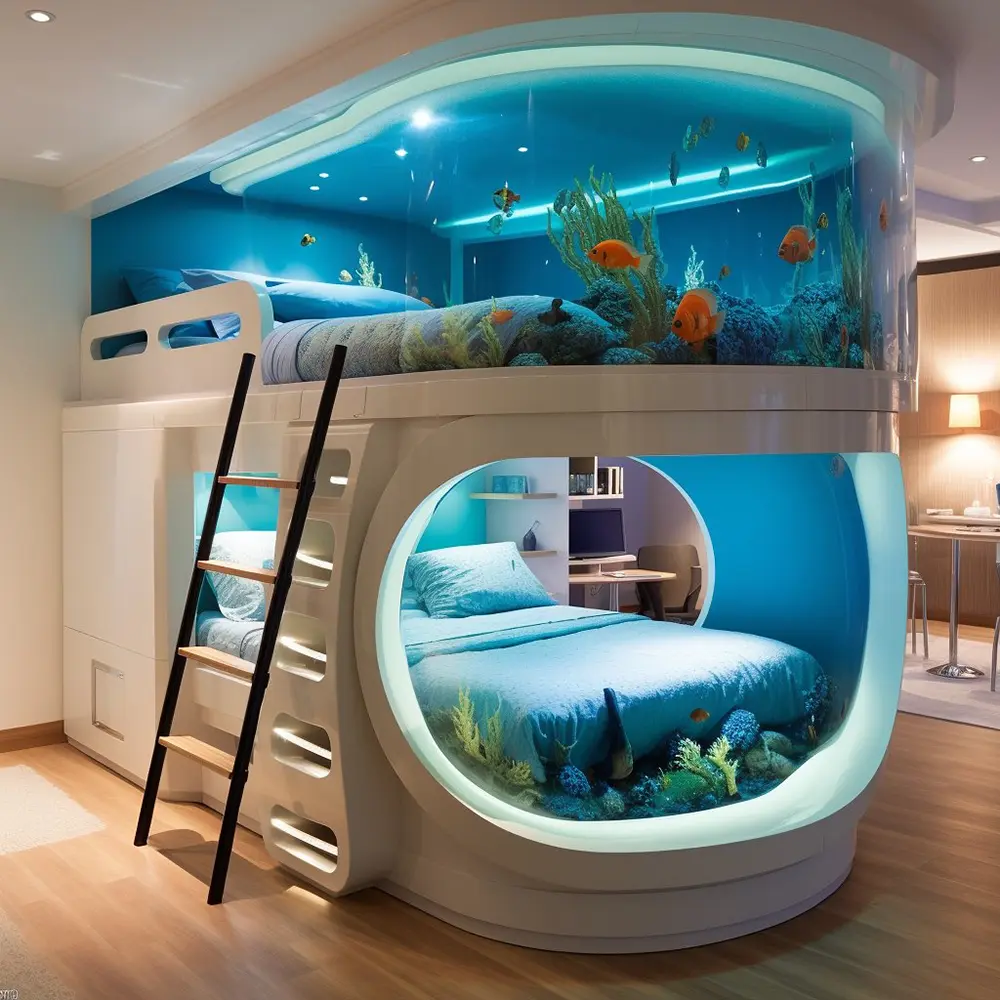
The way a ladder or stairs is integrated into a circular bunk bed can vary.
- Secure Attachment: The ladder or stairs must be firmly attached to the bed frame. A freestanding ladder that can shift or topple is a major hazard.
- Ease of Use: The climb should be comfortable and secure for children. Wide, non-slip treads and appropriate spacing are essential.
- Potential for Entrapment: Some circular designs might have integrated ladders that create unusual angles. Inspect these areas carefully for any pinch points or gaps where fingers or toes could get caught.
Case Study Snippet: A reported incident involved a child whose foot became lodged in the gap between an integrated ladder and the circular frame of a bunk bed. While the incident did not result in serious injury, it highlighted the importance of scrutinizing the connection points of all access features.
Structural Stability and Weight Capacity

The curved structure might, in some cases, present unique challenges to overall stability.
- Material Quality: Opt for beds made from sturdy, high-quality materials like solid wood or robust metal. Avoid flimsy particleboard or thin plastics.
- Joinery and Construction: Examine the joints and how the bed is assembled. Strong dowels, screws, and secure interlocking mechanisms are vital.
- Weight Limits: Manufacturers should provide clear weight limits for each bunk. Ensure these are sufficient for the intended users, accounting for potential active play on the bed.
Statistic: According to the CPSC, between 2003 and 2017, an estimated average of 24,500 bunk bed-related injuries were treated in U.S. emergency departments annually. While specific data for circular beds is limited, the overall trend underscores the importance of robust construction for all bunk beds.
Edge and Surface Safety
While the absence of sharp corners is a common design benefit of circular beds, other edge and surface considerations are important:
- Smooth Finishes: Ensure all surfaces are smooth and free from splinters, rough patches, or protruding hardware.
- Non-Toxic Materials: Verify that all paints, finishes, and materials used are non-toxic and child-safe.
- Stability on Different Floor Surfaces: Consider how the bed will sit on your flooring. Does it have adequate non-slip feet to prevent sliding, especially on hardwood or laminate?
Choosing Wisely: A Practical Checklist for Parents

When you embark on the search for a circular bunk bed, arm yourself with a comprehensive checklist:
- Read Reviews and Seek Recommendations: Look for reviews from other parents who have purchased circular bunk beds. Pay attention to comments regarding safety, durability, and ease of assembly.
- Verify Manufacturer Credentials: Choose reputable brands known for their commitment to safety and quality. Look for certifications or compliance with relevant safety standards.
- Inspect the Bed in Person (if possible): If you can see the bed before purchasing, examine its construction, guardrails, and ladder closely.
- Understand the Assembly Process: Complex assembly can sometimes lead to errors that compromise safety. Ensure you are comfortable with the assembly instructions or consider professional assembly.
- Ask Questions: Don’t hesitate to contact the manufacturer or retailer with any safety concerns you may have.
- Consider Age Appropriateness: Circular bunk beds, like all bunk beds, are generally not recommended for children under the age of six due to the fall risk.
The Importance of Ongoing Vigilance
Purchasing a safe bunk bed is only the first step. Ongoing vigilance is crucial to maintaining a safe sleep environment:
- Regular Inspections: Periodically check all screws, bolts, and structural components for looseness.
- Enforce Rules: Establish clear rules about no roughhousing or playing on the bunks.
- Proper Mattress Fit: Ensure the mattress fits snugly within the frame and doesn’t leave excessive gaps.
- Maintain Guardrails: Ensure guardrails are always in place and haven’t been inadvertently removed or loosened during cleaning or play.
A Safe Haven for Sweet Dreams
Circular bunk beds can be a fantastic addition to a child’s room, offering a unique blend of style and space-saving functionality. However, their unconventional design demands a heightened level of scrutiny when it comes to safety. By prioritizing robust construction, meticulously examining guardrail effectiveness, ensuring secure access, and remaining vigilant about ongoing maintenance, parents can transform a potentially risky furniture choice into a safe and cherished sleep haven for their children. Remember, when it comes to the well-being of your family, safety first should always be the guiding principle.