
In the cacophony of modern existence, where speed and efficiency often reign supreme, the humble pedestrian finds themselves at a crossroads. Once the undisputed king of movement, the walker is now navigating a world increasingly sculpted for the automobile. This shift, subtle yet profound, challenges the very fabric of our urban environments, our personal well-being, and the democratic principles of public space. This article delves into how the pedestrian experience, or lack thereof, reflects the broader societal values and priorities of our time, revealing both the stark realities and the potential for a more pedestrian-centric future.
The Reign of the Automobile: A Societal Obsession
The 20th century witnessed an unprecedented embrace of the automobile. Fueled by technological innovation, economic growth, and a burgeoning sense of individual freedom, car ownership became a cultural icon. This societal obsession has fundamentally reshaped our cities and our lives.
Urban Sprawl and the Erosion of Walkability

The most visible manifestation of this shift is urban sprawl. As cities expanded outwards, the distances between homes, workplaces, and amenities increased exponentially. This necessitated reliance on cars for even the shortest errands. The development of suburbs, characterized by low-density housing and car-dependent infrastructure, effectively marginalized the pedestrian.
- Disconnected Communities: Large swathes of land dedicated to roads, parking lots, and single-family homes create physical barriers, making it difficult and often unsafe to walk between different zones.
- Loss of Local Commerce: As people drive to larger shopping centers, traditional high streets and neighborhood shops, which were once walkable destinations, struggle to survive.
- Reduced Social Interaction: The car acts as a personal bubble, limiting spontaneous interactions with neighbors and fellow citizens that naturally occur in walkable environments.
Consider the case of many American suburbs, where a trip to the grocery store or a local park can require a significant drive, transforming a simple errand into a car journey. This design prioritizes vehicular movement above all else, inadvertently creating environments that are actively hostile to pedestrians.
The Cost of Convenience: Statistics and Implications
The convenience of the car, however, comes at a steep price, not just financially but societally and environmentally. Statistics paint a sobering picture of our car-centric priorities.
- Infrastructure Allocation: In many countries, a disproportionately large percentage of public spending on infrastructure is allocated to roads and highways, while pedestrian infrastructure (sidewalks, crosswalks, safe crossings) often receives a fraction of that. For example, the American Association of State Highway and Transportation Officials (AASHTO) data consistently shows a vast majority of transportation budgets dedicated to highway systems.
- Health Impacts: The decline in walking has direct correlations with rising rates of obesity, heart disease, and other lifestyle-related illnesses. The Centers for Disease Control and Prevention (CDC) in the US reports that only a small percentage of adults meet recommended physical activity guidelines, with walking being a primary accessible form of exercise for many.
- Environmental Degradation: Vehicle emissions are a major contributor to air pollution and climate change. The reliance on fossil fuels for transportation exacerbates these issues, impacting public health and the planet. The World Health Organization (WHO) estimates that air pollution from transport causes millions of premature deaths annually.
The statistics are not merely numbers; they represent tangible consequences for human health, community well-being, and the sustainability of our planet. The car’s dominance has, in many ways, led to a societal blind spot regarding the value of slow, deliberate movement.
The Pedestrian Experience: A Microcosm of Societal Neglect
The challenges faced by pedestrians are not abstract; they are lived realities played out daily on our streets. These experiences serve as a potent reflection of how society values different modes of transport and, by extension, different citizens.
The Dangers of the Road
For pedestrians, crossing the street can often feel like navigating a minefield. Inadequate crosswalks, long crossing times, and drivers who disregard pedestrian signals create a hazardous environment.
- Traffic Calming Deficiencies: Many urban areas lack effective traffic calming measures, such as speed bumps, narrower lanes, and reduced speed limits, which would prioritize pedestrian safety.
- Inconsistent Sidewalk Networks: In some neighborhoods, sidewalks are fragmented, forcing pedestrians into the street or onto uneven terrain. This disproportionately affects individuals with mobility impairments.
- The “Jaywalking” Stigma: The term “jaywalking” itself carries a negative connotation, often implying the pedestrian is in the wrong. However, in many car-centric designs, it’s the only option due to a lack of safe, designated crossing points.
Consider the data from the National Highway Traffic Safety Administration (NHTSA) in the US, which consistently shows thousands of pedestrian fatalities each year. These are not just statistics; they are lives lost due to a system that often prioritizes vehicle speed over human safety.
The Psychological Toll of Car-Centricity
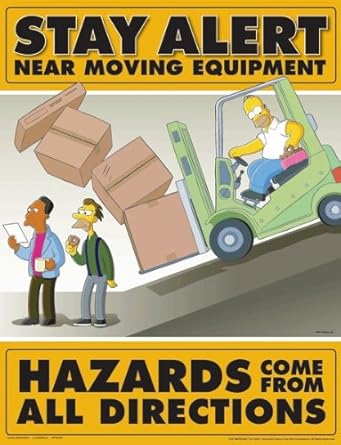
Beyond physical danger, the constant negotiation of a car-dominated landscape takes a psychological toll.
- Increased Stress and Anxiety: Navigating busy streets as a pedestrian can be a stressful experience, requiring constant vigilance and anticipation of unpredictable vehicle movements.
- Feeling of Exclusion: For those who cannot drive, or choose not to, car-centric environments can lead to feelings of isolation and exclusion, limiting their access to opportunities and participation in community life.
- Loss of Serendipity: The joy of spontaneous discoveries, of stumbling upon a hidden gem of a shop or a quiet park, is diminished when travel is primarily through enclosed vehicles.
This psychological impact, though harder to quantify, is a significant societal cost. It reflects a prioritization of efficient, solitary movement over the enriching, communal experience of walking.
Reclaiming the Sidewalk: Towards a Pedestrian Renaissance
Despite the challenges, there is a growing movement to reclaim public space for pedestrians. This pedestrian renaissance is not just about aesthetics; it’s about creating more equitable, healthy, and sustainable communities.
Urban Planning for People, Not Cars
A fundamental shift in urban planning is crucial. This involves designing cities with the pedestrian at the forefront.
- Complete Streets Policies: These policies prioritize pedestrians, cyclists, and public transit users alongside motorists in road design and transportation planning. Many cities are adopting “Complete Streets” initiatives, leading to more integrated and safer infrastructure for all users.
- Mixed-Use Development: Encouraging the integration of residential, commercial, and recreational spaces within close proximity reduces the need for long-distance travel and fosters walkable neighborhoods.
- Pedestrian-Friendly Design Principles: This includes features like wider sidewalks, ample street trees for shade, well-lit pathways, and strategically placed public seating.
The success of cities like Copenhagen, known for its extensive pedestrian zones and cycle paths, or the revitalization of areas like the High Line in New York City, which transformed an elevated railway into a linear park, demonstrates the positive impact of prioritizing pedestrian infrastructure.
The Role of Policy and Advocacy

Policy changes and grassroots advocacy play a vital role in driving this shift.
- Traffic Law Reform: Advocating for stricter enforcement of traffic laws related to pedestrian rights and penalizing drivers who endanger pedestrians.
- Funding Prioritization: Pushing for increased investment in pedestrian infrastructure and public transportation.
- Community Engagement: Empowering communities to voice their needs and participate in the planning and design of their local streets.
The growing “Vision Zero” movement, aiming to eliminate traffic fatalities and serious injuries, is a powerful example of how policy and advocacy can lead to tangible improvements in pedestrian safety.
The Power of Individual Choice

While systemic change is essential, individual choices also contribute to a more pedestrian-friendly society.
- Choosing to Walk: Opting to walk for short trips, even when a car is an option, sends a clear message about the value of walking and can influence others.
- Supporting Local Businesses: Frequent walking to local shops fosters community connection and supports local economies.
- Advocating Locally: Participating in local planning meetings and voicing support for pedestrian improvements in one’s neighborhood.
Every conscious decision to walk, to support walkable infrastructure, and to advocate for pedestrian-friendly policies contributes to a larger societal shift.
A Footprint for a Better Future
The challenges faced by pedestrians in modern life are not merely inconveniences; they are profound reflections of our societal priorities, our commitment to equity, and our vision for a sustainable future. The car-centric landscape, born from a century of unquestioned automotive dominance, has created a world that often marginalizes and endangers those who choose to move on foot. However, the growing pedestrian renaissance, fueled by informed urban planning, progressive policy, and individual action, offers a compelling vision for reclaiming our streets and our communities.
By actively investing in pedestrian infrastructure, reforming traffic laws, and fostering a culture that values slow, deliberate movement, we can create cities that are not only safer and healthier but also more vibrant, connected, and equitable for everyone. The humble act of walking, so often overlooked, holds the potential to reshape our society, one step at a time, leaving a positive footprint for generations to come.