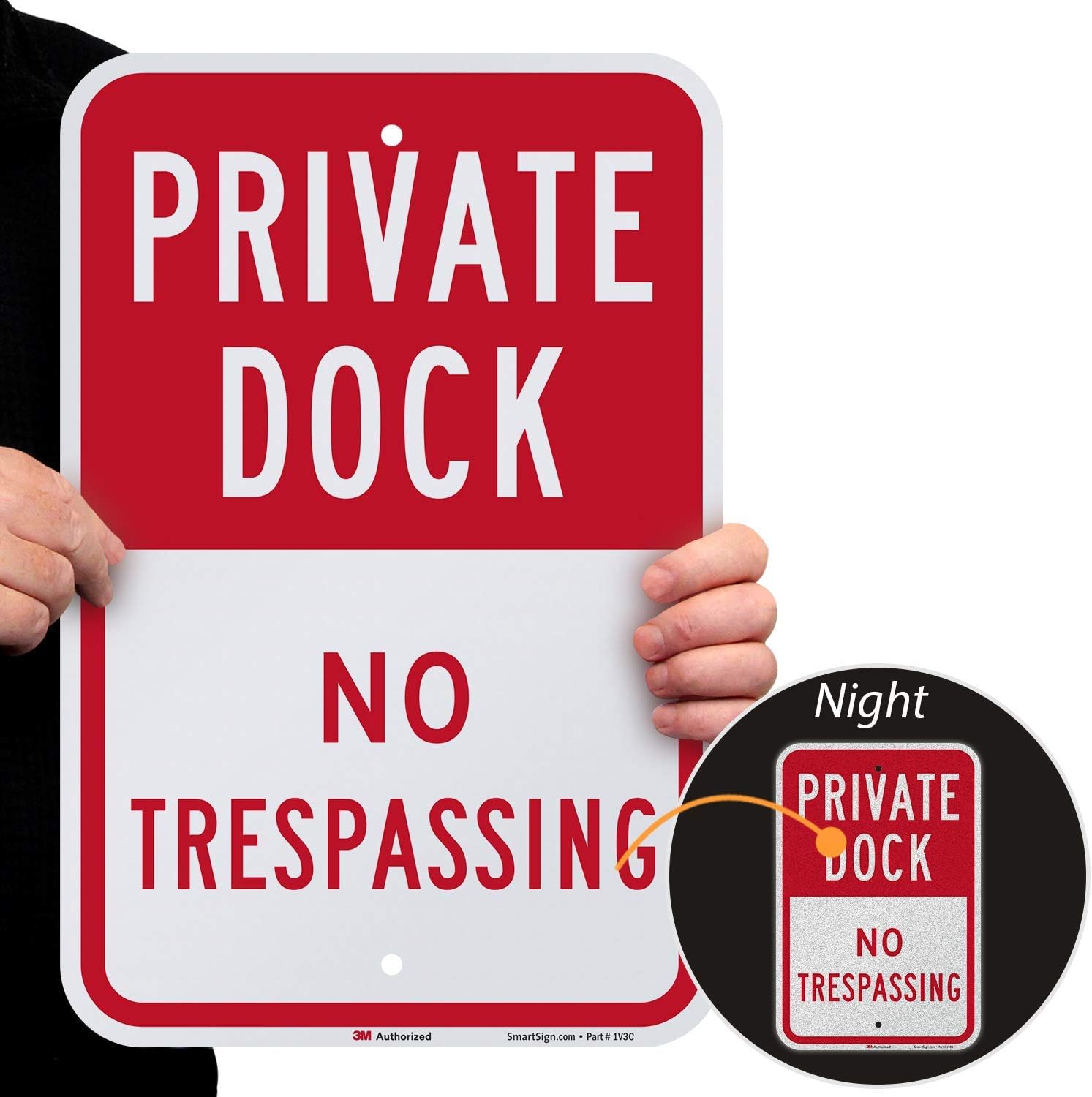
Beyond their utilitarian purpose of guiding traffic and informing residents, private street signs in English-speaking countries often carry a subtle, yet significant, layer of hidden meaning. These seemingly innocuous markers are not just about navigation; they are woven into the fabric of property rights, community governance, and even social stratification. Understanding these nuances can offer a fascinating glimpse into the social and legal landscapes they inhabit.
More Than Just Directions: The Multifaceted Roles of Private Street Signs
At their core, private street signs serve a practical function: to demarcate and direct within areas not maintained by public authorities. However, their presence signifies a deeper commitment to private ownership and a distinct set of rules and responsibilities. This isn’t just about avoiding potholes; it’s about the very essence of belonging and control.
Defining Boundaries and Asserting Ownership
The most immediate meaning of a private street sign is the assertion of private ownership. Unlike public roads, which are maintained and governed by municipal or governmental bodies, private streets are owned and managed by individuals, homeowner associations (HOAs), or private developers. The sign acts as a clear visual declaration of this boundary.
- Exclusive Access: Private street signs often imply that access is restricted to residents, their guests, or authorized personnel. This can be enforced through gates, security personnel, or simply by the implicit understanding communicated by the sign itself.
- Maintenance Responsibility: Crucially, these signs signal that the upkeep of the street – from snow removal and paving to landscaping and lighting – falls on the private owners, not the taxpayer-funded public works departments. This can translate to higher property fees or assessments.
- Legal Framework: The existence of private streets is governed by specific legal easements and covenants, often detailed in property deeds and HOA bylaws. The sign is a public-facing embodiment of these underlying legal agreements.
Consider the case of a gated community. The prominent “Private Road” or “Private Drive” signs at the entrance are the first line of defense, signaling a departure from public accessibility and an entry into a more controlled environment. This controlled environment often comes with a premium, both in terms of property value and the cost of living.
Decoding the Language: Different Signs, Different Implications
The wording and design of private street signs can vary, each carrying subtle differences in implication:
“Private Road” vs. “Private Drive” vs. “Private Way”
“Private Road” is the most common and straightforward designation. It unequivocally states that the thoroughfare is privately owned and managed. “Private Drive” often implies a more personal or residential context, perhaps leading to a single property or a small cluster of homes. “Private Way” can sometimes suggest a historical or less formal designation, potentially for access to specific properties or amenities. The choice of term can reflect the history of the land and the specific legal arrangements in place.
“No Trespassing” and “Restricted Access”
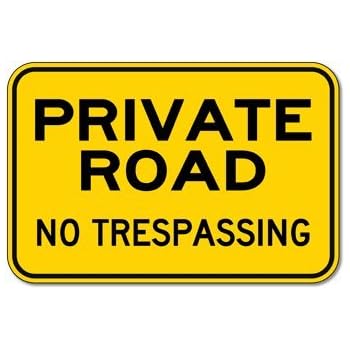
These signs often accompany private street designations and serve a dual purpose. They reinforce the private nature of the road and explicitly warn unauthorized individuals against entry. This is particularly common in areas with valuable amenities, sensitive infrastructure, or where a higher degree of security is desired.
“Community Name” Street Signs

Many private streets are named after the community or development they serve, such as “Willow Creek Drive” or “Oakwood Lane.” These signs are not just for navigation; they foster a sense of collective identity and shared ownership among residents. They create a visual anchor for the community and contribute to its unique character.
The Social and Economic Undercurrents

The presence of private streets and their associated signage often reflects and reinforces certain socio-economic realities:
Exclusivity and Status Symbols
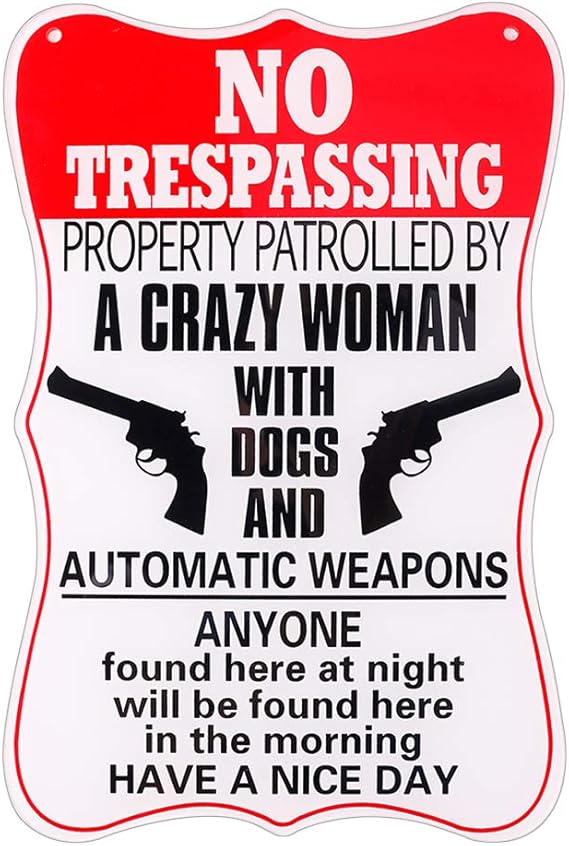
In many affluent neighborhoods, private streets are a hallmark of exclusivity. The ability to maintain private roads, often with enhanced landscaping, security, and amenities, can be a significant draw for prospective homeowners. The signs become subtle status symbols, signaling a departure from the more common public infrastructure.
A study by the National Association of Home Builders (NAHB) has indicated a consistent demand for gated communities and developments with private roads, particularly in higher-income brackets. These features are often bundled into HOA fees, which can range from hundreds to thousands of dollars per year, depending on the scope of services and amenities provided.
Community Governance and Collective Responsibility
Private streets necessitate a robust system of community governance. HOAs are typically established to manage finances, enforce rules, and oversee maintenance. The signs serve as a constant reminder of this collective responsibility. Residents implicitly agree to adhere to the rules and contribute financially to the upkeep of their shared environment.
However, this can also be a source of friction. Disputes over maintenance costs, architectural guidelines, or the enforcement of rules can become common within private communities. The very signs that signify belonging can also become points of contention when collective decisions need to be made.
Case Study: The Dynamics of Private Street Management in a Suburban Development
In the suburban development of “Green Valley Estates,” residents opted for a private road system to ensure better landscaping and more proactive snow removal than their neighboring public streets typically received. The HOA fees, however, have been a recurring point of discussion. Initially, the fees were set to cover basic maintenance. However, a series of unexpected infrastructure repairs, including significant drainage system upgrades, led to a substantial increase in annual assessments. This sparked debate among residents, with some arguing for stricter budgetary controls and others emphasizing the long-term benefits of a well-maintained private infrastructure. The “Green Valley Estates Private Road” sign at the entrance, while intended to convey a sense of community and quality, became a symbol of the ongoing negotiation and financial commitment required to maintain that perceived quality.
Legal Ramifications and Potential Pitfalls
While private streets offer benefits, they also come with legal considerations:
Liability and Emergency Services
One crucial aspect is the provision of emergency services. While private streets are privately owned, emergency responders (police, fire, ambulance) are generally obligated to access them. However, the clarity of signage and the ease of access can significantly impact response times. Poorly marked or obstructed private streets can pose a risk to public safety.
Statistics from fire departments in areas with extensive private road networks often highlight the challenges. A study by the International Association of Fire Chiefs (IAFC) noted that in communities with unmaintained or poorly marked private roads, response times could be delayed by an average of 2-5 minutes, a critical difference in emergency situations.
Dispute Resolution and Covenants
Disputes between neighbors regarding the use and maintenance of private roads are not uncommon. Legal recourse is often necessary, and the interpretation of original covenants and bylaws becomes paramount. The signs, in this context, become visual reminders of the contractual agreements that govern the community.
The Enduring Significance of Private Street Signs
Private street signs in English-speaking countries are far more than mere navigational aids. They are silent communicators of ownership, exclusivity, community governance, and collective responsibility. They delineate boundaries, assert rights, and subtly influence social and economic dynamics. From the aspirational allure of a gated community to the practical implications of maintenance and liability, these signs are embedded with a rich tapestry of meaning that reflects the complex interplay between private property, community living, and the legal frameworks that bind them. Understanding these hidden meanings provides a deeper appreciation for the often-overlooked aspects of our built environment and the ways in which they shape our daily lives.