
The Victorian era, spanning from 1837 to 1901, is celebrated for its distinctive architectural and design styles, characterized by intricate details, rich colors, and a strong emphasis on craftsmanship. One of the most notable elements of Victorian interior design is the bathroom sink, which not only serves a practical purpose but also acts as a centerpiece of elegance and style. In this article, we will explore the characteristics, history, and modern interpretations of Victorian bathroom sinks, illustrating how they combine functionality with aesthetic appeal.
The Historical Context of Victorian Bathroom Sinks
Understanding the evolution of bathroom sinks during the Victorian era requires a look at the societal changes that influenced design. The Industrial Revolution led to advancements in plumbing and sanitation, making indoor plumbing more accessible. As a result, bathrooms transformed from utilitarian spaces into luxurious retreats, showcasing the wealth and status of homeowners.
- Accessibility of Indoor Plumbing: The introduction of modern plumbing systems allowed for the installation of sinks in homes, fundamentally changing bathroom layouts.
- Influence of the Arts and Crafts Movement: This movement emphasized handmade quality and natural materials, impacting the design of bathroom fixtures.
- Technological Innovations: The introduction of porcelain and cast iron made sinks more durable and easier to clean, while also allowing for intricate designs.
Characteristics of Victorian Bathroom Sinks
Victorian sinks are distinguished by their elaborate designs and high-quality materials. Here are some key characteristics that define their aesthetic and functional appeal:
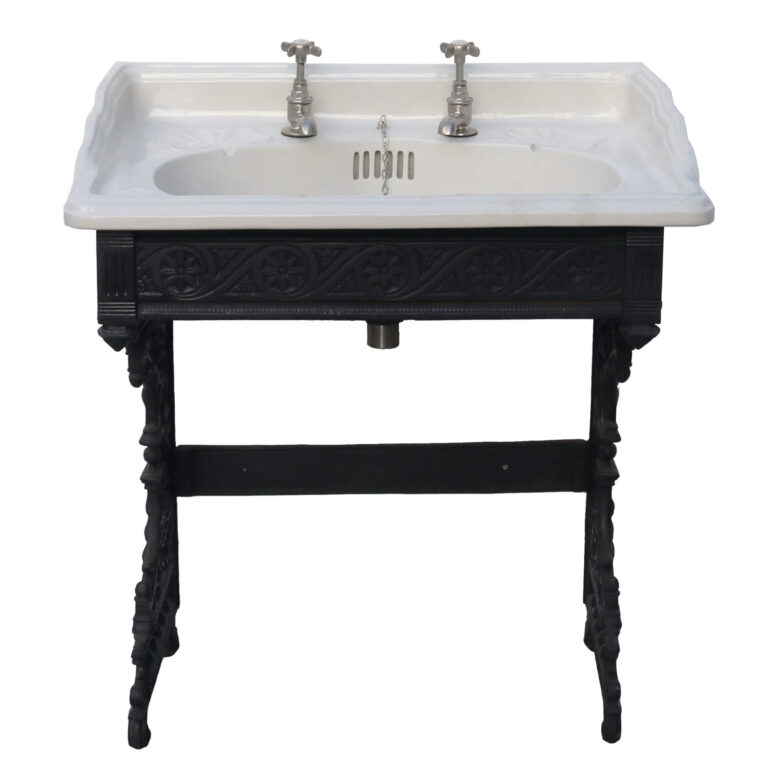
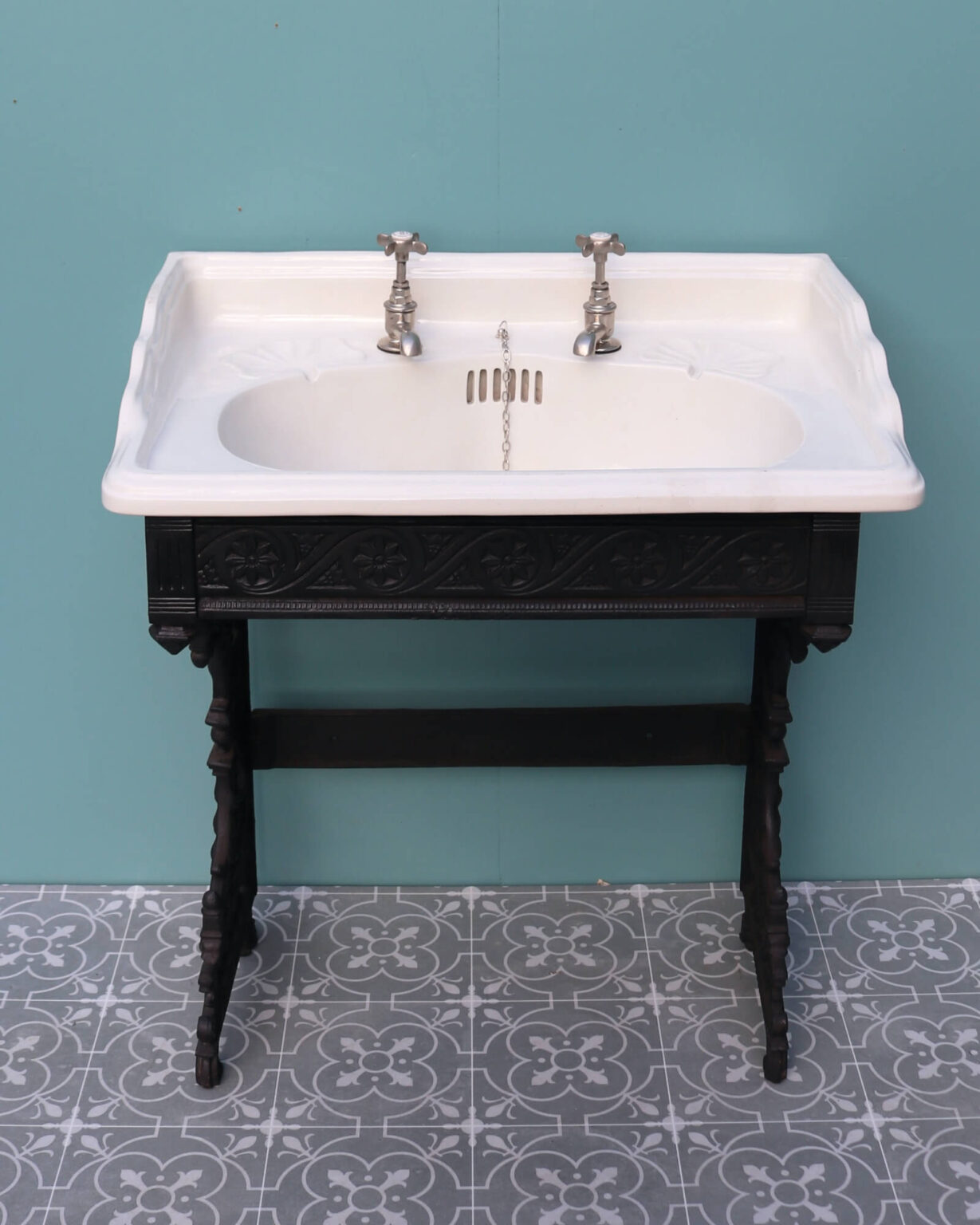
- Material: Victorian sinks were typically made from porcelain, enamel-coated cast iron, or marble, which not only provided durability but also offered an elegant appearance.
- Design: The designs often included ornate details, such as floral patterns, intricate carvings, and decorative pedestals, reflecting the artistry of the era.
- Shape: Sinks were commonly available in various shapes, including oval, rectangular, and even free-form designs, allowing for personalization in bathroom layouts.
- Faucets: The fixtures were often made of brass or nickel, featuring elaborate designs that echoed the sink’s overall aesthetic.
Functionality Meets Aesthetic Appeal
While Victorian bathroom sinks are undoubtedly beautiful, they also serve practical purposes. Here’s how they blend functionality and aesthetic appeal:
- Space Efficiency: Many Victorian sinks were designed to fit into smaller spaces without sacrificing style, making them ideal for both grand and modest bathrooms.
- Accessibility: The height and depth of the sinks were designed for ease of use, accommodating a range of users.
- Easy Maintenance: The smooth surfaces of porcelain and enamel make these sinks easy to clean and maintain, ensuring longevity in both functionality and appearance.
- Integration: Victorian sinks can be seamlessly integrated into various bathroom styles, complementing both traditional and contemporary designs.
Modern Interpretations of Victorian Bathroom Sinks

Today, the charm of Victorian bathroom sinks continues to captivate homeowners and designers alike. Modern interpretations take inspiration from classic designs while incorporating contemporary materials and technologies. Here are some examples:
- Freestanding Sinks: Modern designs often feature freestanding sinks with elegant curves and intricate bases, reminiscent of Victorian aesthetics.
- Wall-Mounted Sinks: These sinks save space while providing a vintage look, allowing for a more open bathroom layout.
- Smart Technology: Modern sinks can be equipped with smart faucets that offer temperature control and touchless activation, blending the old-world charm with modern convenience.
- Eco-Friendly Materials: Sustainable materials such as reclaimed wood and recycled glass are being used to create sinks that honor the Victorian style while being environmentally conscious.
Case Studies: Victorian Bathroom Sinks in Modern Homes
To illustrate how Victorian sinks can be integrated into contemporary settings, we can look at a few case studies of modern homes that have embraced this design aesthetic:
Case Study 1: The Historical Restoration

A homeowner in a historic district of London restored a Victorian terrace house and decided to recreate the original bathroom. They sourced a vintage-style pedestal sink, complete with brass fixtures and intricate floral detailing. The result was a stunning blend of historical accuracy and modern convenience, showcasing the beauty of Victorian design in a contemporary context.
Case Study 2: The Minimalist Approach

In a minimalist home in San Francisco, a designer integrated a wall-mounted Victorian sink into a sleek, modern bathroom. The sink featured clean lines and a simple white finish, allowing it to serve as a focal point without overwhelming the space. The combination of traditional design with minimalist elements created a striking contrast, demonstrating the versatility of Victorian sinks.
Case Study 3: Eco-Friendly Renovation
A couple renovating their bathroom in an eco-friendly home opted for a reclaimed wood vanity paired with a vintage-style sink made from recycled materials. This approach not only honored Victorian aesthetics but also aligned with their commitment to sustainability. The project showcased how modern homes can incorporate historical elements while being environmentally conscious.
Statistics on Bathroom Renovations and Design Trends
According to a recent survey by the National Association of Home Builders (NAHB), bathroom renovations continue to be one of the most popular home improvement projects, with approximately 70% of homeowners planning to update their bathrooms in the coming year. Among these renovations, the following trends have emerged:
- Vintage Styles: 40% of homeowners expressed interest in incorporating vintage or retro styles into their bathroom designs.
- Focus on Functionality: 60% prioritized functionality alongside aesthetics, indicating a desire for both beauty and practicality.
- Eco-Friendly Choices: 50% of respondents considered eco-friendly products, showing a growing trend toward sustainability in home design.
Victorian bathroom sinks are more than just functional fixtures; they embody a rich history of design, craftsmanship, and societal change. Their unique blend of functionality and aesthetic appeal makes them a timeless choice for homeowners looking to add character to their bathrooms. As we have explored through historical context, modern interpretations, and case studies, these sinks can seamlessly integrate into various design styles, from traditional to contemporary.
As homeowners continue to prioritize both beauty and practicality in their renovations, the enduring charm of Victorian bathroom sinks will undoubtedly remain a favorite. By embracing these historic designs, we not only celebrate the artistry of the past but also create spaces that are functional, stylish, and reflective of our values today.