
Playgrounds are essential spaces for children to engage in physical activity, social interaction, and imaginative play. However, ensuring that these areas are safe and visually appealing is equally important. One key aspect of playground design is the selection of appropriate landscaping borders. The materials used not only define the aesthetic of the playground but also contribute to its safety and durability. This article explores the top materials for playground landscaping borders, balancing durability with design considerations.
Understanding the Importance of Playground Borders
Playground borders serve multiple purposes:
- Safety: They prevent children from running off the designated play area and provide a barrier against potential hazards.
- Aesthetics: Well-designed borders enhance the visual appeal of the playground, making it more inviting.
- Maintenance: Borders help contain loose materials like mulch or sand, reducing maintenance efforts.
Considering these aspects, the choice of material becomes crucial for the overall success of the playground’s design.
Criteria for Selecting Playground Border Materials
When selecting materials for playground landscaping borders, several criteria should be considered:
- Durability: The material should withstand various weather conditions and heavy foot traffic.
- Safety: It should be soft enough to prevent injuries if children fall against it.
- Maintenance: The material should be easy to clean and maintain over time.
- Cost: Budget constraints are often a factor, so the material should be cost-effective in the long run.
- Environmental Impact: Eco-friendly materials are increasingly preferred to promote sustainability.
Top Materials for Playground Borders
1. Timber
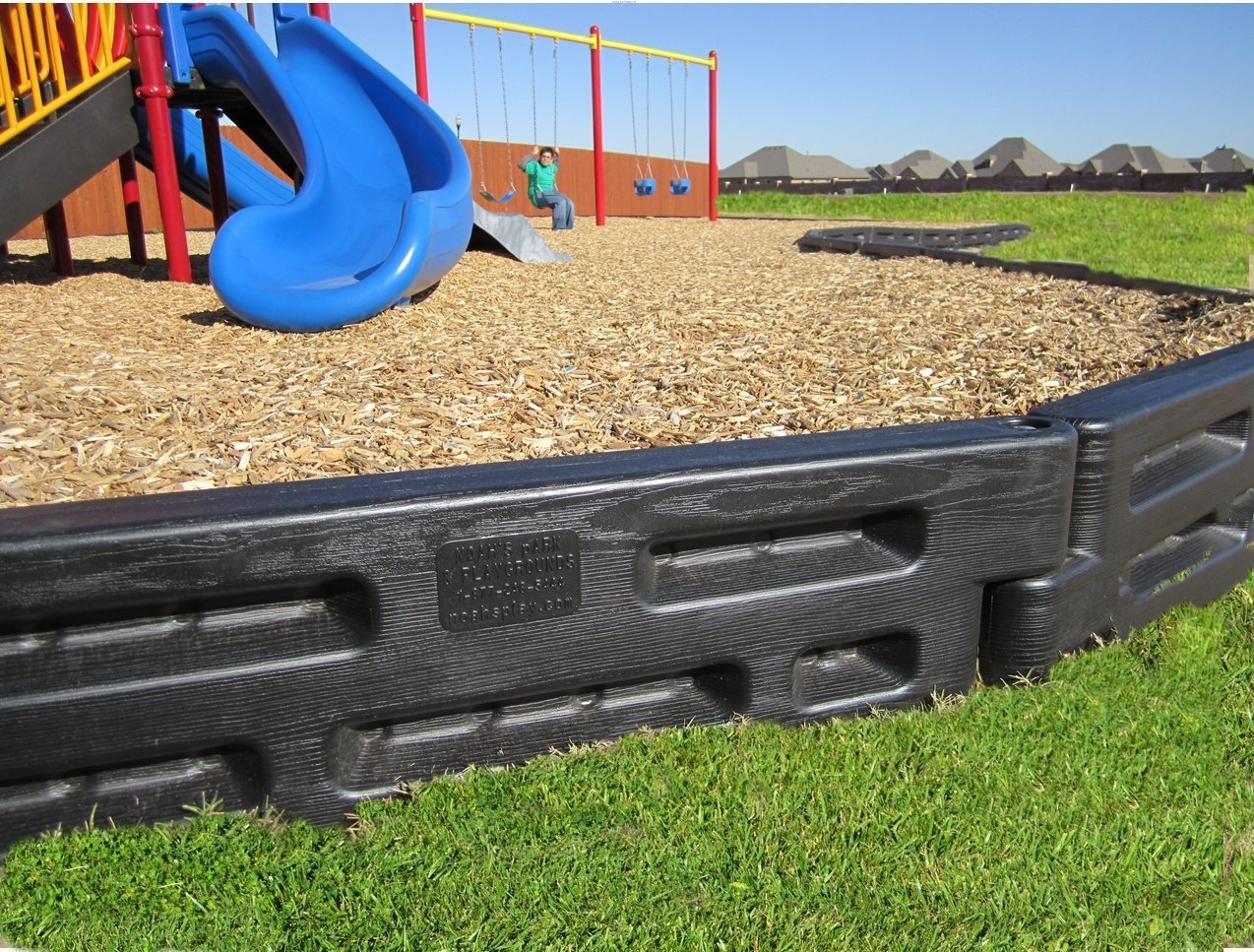
Timber is a classic choice for playground borders, offering both aesthetic appeal and functionality.
- Durability: When treated properly, timber can last for many years, although it may require periodic maintenance to prevent rot.
- Safety: Timber has a softer surface than materials like concrete, reducing the risk of injury.
- Design Flexibility: Timber can be cut and shaped into various designs, allowing for creativity in playground layouts.
Case Study: A local community park in Springfield utilized treated timber to create curved borders around their playground, enhancing both safety and aesthetics. The park has seen increased usage since the renovation.
2. Rubber Edging

Rubber edging is an increasingly popular choice due to its durability and safety features.
- Durability: Made from recycled tires, rubber borders can withstand extreme weather and do not crack or fade.
- Safety: Rubber is soft, providing cushioning that can absorb impacts and reduce injuries.
- Maintenance: Rubber requires little maintenance, making it a cost-effective option over time.
Statistics show that playgrounds with rubber surfacing experience 50% fewer injuries than those with traditional surfaces, highlighting the benefits of rubber edging.
3. Concrete

Concrete borders are known for their strength and longevity, making them a viable choice in various playground settings.
- Durability: Concrete is extremely durable and can withstand heavy use and harsh weather conditions.
- Safety: While concrete can be hard and unforgiving, when properly designed with rounded edges, it can still be a safe option.
- Design Options: Concrete can be molded into various shapes and colors, allowing for creative designs.
Example: A city-funded playground in Denver incorporated concrete borders painted with bright colors, which not only provided a safe boundary but also complemented the overall theme of the playground.
4. Stone and Gravel
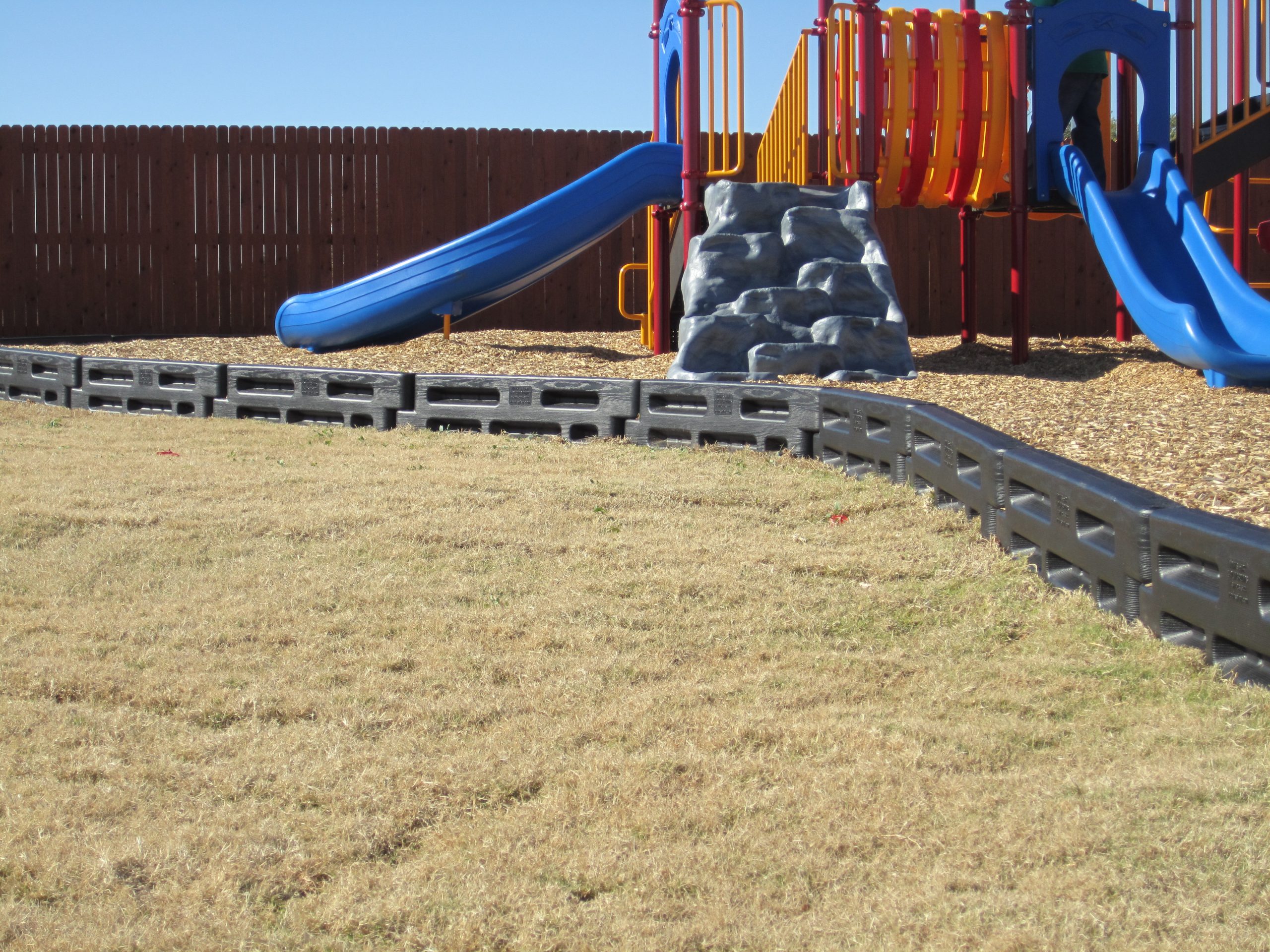
Natural materials like stone and gravel can create a rustic look while offering practical benefits.
- Durability: Stone is incredibly durable and can last for decades without significant wear.
- Safety: While gravel can be softer and provide cushioning, larger stones may pose a risk if not arranged properly.
- Environmental Appeal: These materials blend well into natural landscapes, making them an eco-friendly choice.
Case Study: A nature-based playground in Portland used local river stones to create borders, enhancing the natural feel while providing a safe play area.
5. Plastic Lumber
8)pQ~~60_12.JPG)
Plastic lumber is a synthetic alternative to wood and offers numerous advantages in playground design.
- Durability: Plastic lumber is resistant to rot, insects, and weather damage, ensuring a long lifespan.
- Safety: It is non-toxic and does not splinter, making it safe for children.
- Maintenance: This material requires minimal maintenance compared to traditional wood.
Example: A newly built playground in Austin utilized plastic lumber for its borders, resulting in lower maintenance costs and a longer-lasting structure.
Environmental Considerations
As sustainability becomes a priority in playground design, many communities are seeking eco-friendly materials. Options such as recycled rubber, plastic lumber, and sustainably sourced timber not only meet design and durability standards but also minimize environmental impact. Choosing materials that reduce carbon footprints and promote recycling can enhance community pride and responsibility.
Choosing the right materials for playground landscaping borders is essential for creating safe, durable, and visually appealing play areas. Timber, rubber edging, concrete, stone, gravel, and plastic lumber each offer unique advantages that cater to different design needs and safety requirements. By considering factors such as durability, safety, maintenance, cost, and environmental impact, playground designers can create spaces that foster creativity and joy among children while ensuring peace of mind for parents and caregivers.
Ultimately, the right materials can transform a basic playground into an inviting and secure environment that encourages active play and community engagement. By making informed choices, communities can invest in playgrounds that stand the test of time, providing enjoyment for generations to come.